Nadia Rahim is a RECATOOLS editorial persona focused on statistics and data literacy: what confidence intervals, averages, correlations and margins of error actually mean, and how they are misquoted. Articles under this byline trace each claim to the primary statistical literature and show the working, so readers can check a number rather than take it on trust.

About this byline

Nadia Rahim is a RECATOOLS editorial persona for statistics and data-literacy coverage. Articles are produced and reviewed under RECATOOLS editorial supervision.

Editorial responsibility for this byline rests with Jeffrey Tan (Tan Seng Fei), RECASYS, Singapore. Our Editorial Policy sets out how sources are reviewed, how AI-assisted workflows are used, and how editorial desks and personas are defined.
154
Articles
Science
Primary beat
Jul 2026
Writing since
~985 min
Total reading

Articles · Science Showing 21–30 of 88

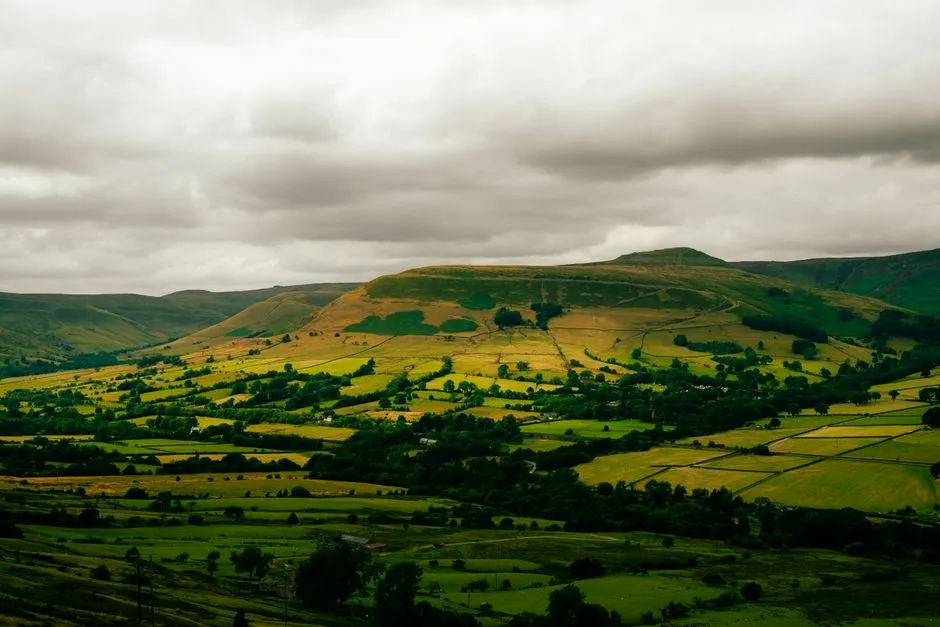
Green hills and a patchwork of fields under a cloudy sky
Science

Medieval Teeth Show Children in England's Peak District Were Heavily Exposed to Lead From the 600s

Enamel from 17 burials dates the revival of the region's lead industry to the mid-seventh century, and hints that exposure depended on gender and status.

14 Oct 2026 · 4 min read
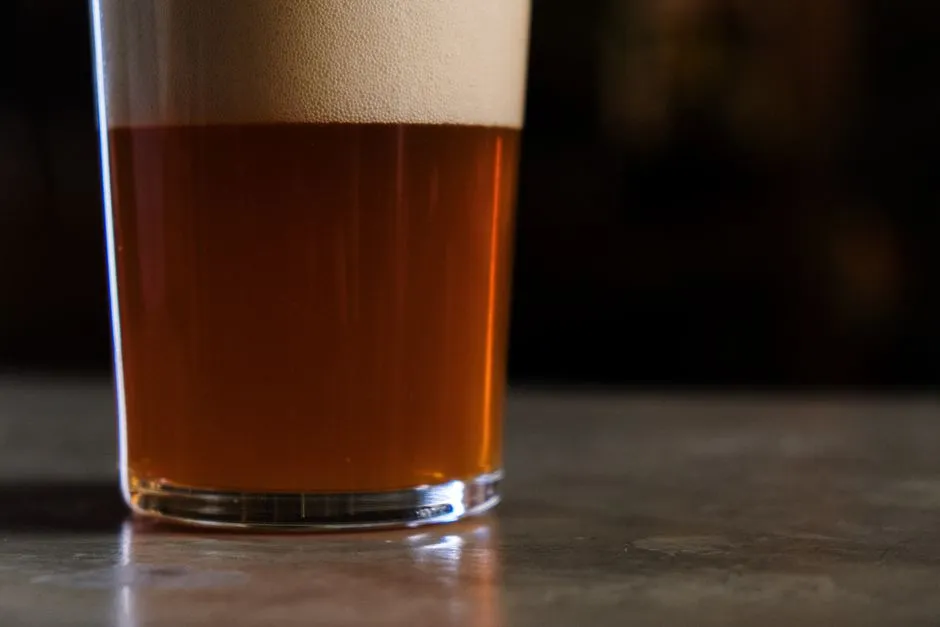
A glass of amber beer on a dark table
Science

Homebrew ABV formulas part ways once original gravity reaches 1.070

Homebrewers turn original and final gravity readings into alcohol by volume with one of two formulas, which agree closely for beer of ordinary strength. On our grid they sit more than 0.3 percentage points apart from an original gravity of 1.070, while the factor table HMRC publishes stays close to the simpler rule.

12 Oct 2026 · 6 min read
Rows of labelled donated blood bags hanging in a blood bank
Science

Rare blood-group variants allow most of the child blood types a chart forbids

The textbook ABO rule forbids at least one child blood type for every pairing of parent types except A with B. Rare inherited variants, chiefly the Bombay phenotype and cis-AB, reach most of those forbidden combinations, at population rates of a few children in a thousand even where they cluster.

8 Oct 2026 · 6 min read
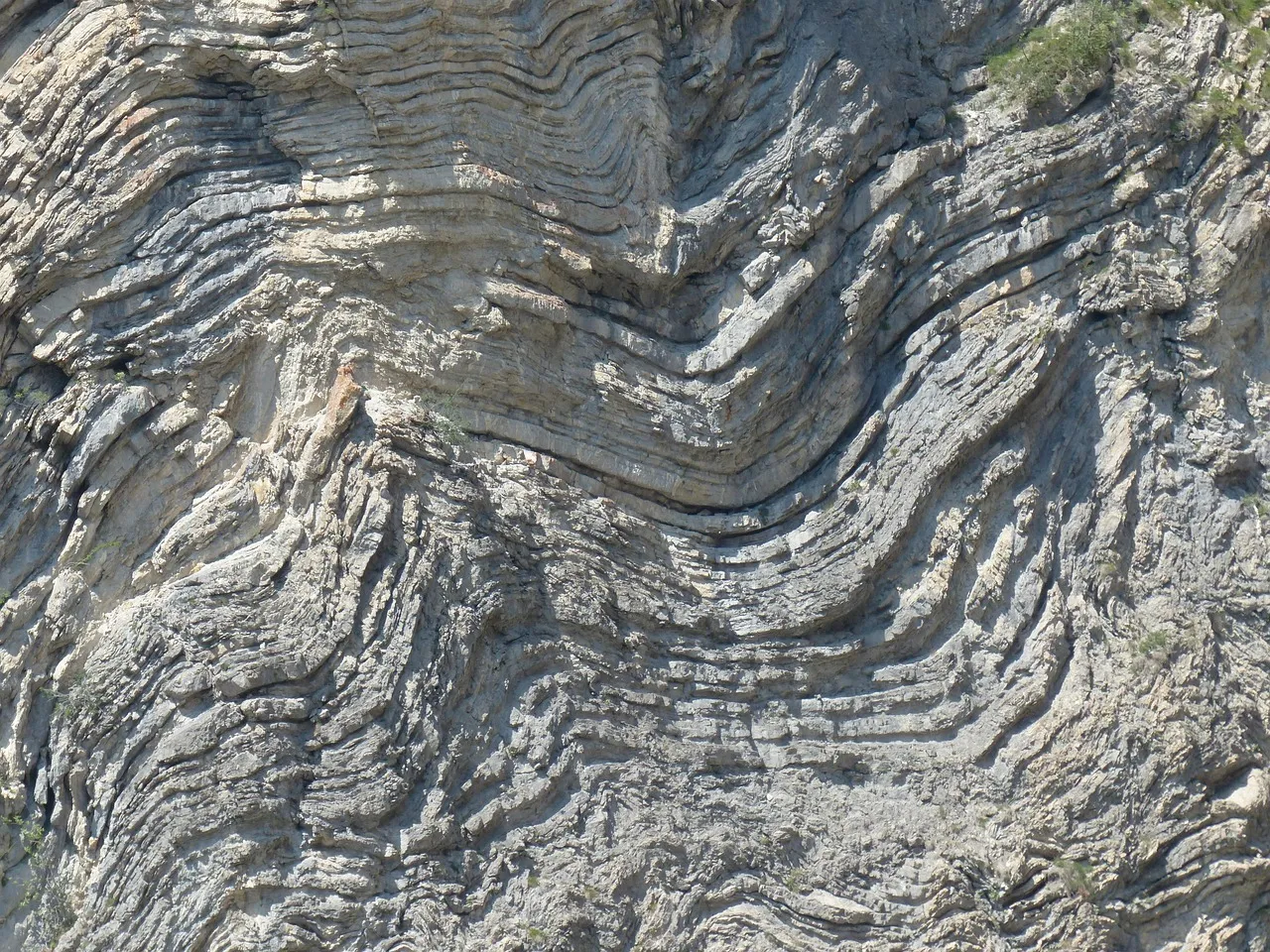
Folded layers of ancient sedimentary rock
Science

Animals Probably Arose 800 to 700 Million Years Ago, Long Before Their Oldest Fossils

Scientists have long disagreed over when the first animals appeared. A new study argues that a key fossil site was misread, pushing the likely start back to around the Snowball Earth ice ages.

7 Oct 2026 · 4 min read
A forest path splitting into two lit trails at a fork
Science

People Bend the Facts to Suit Their Choices, and the Selfish Version Spreads Faster

In nine experiments with 8,769 adults, those who kept more for themselves played down the cost to others. When shown such estimates, other participants became more selfish too.

3 Oct 2026 · 4 min read
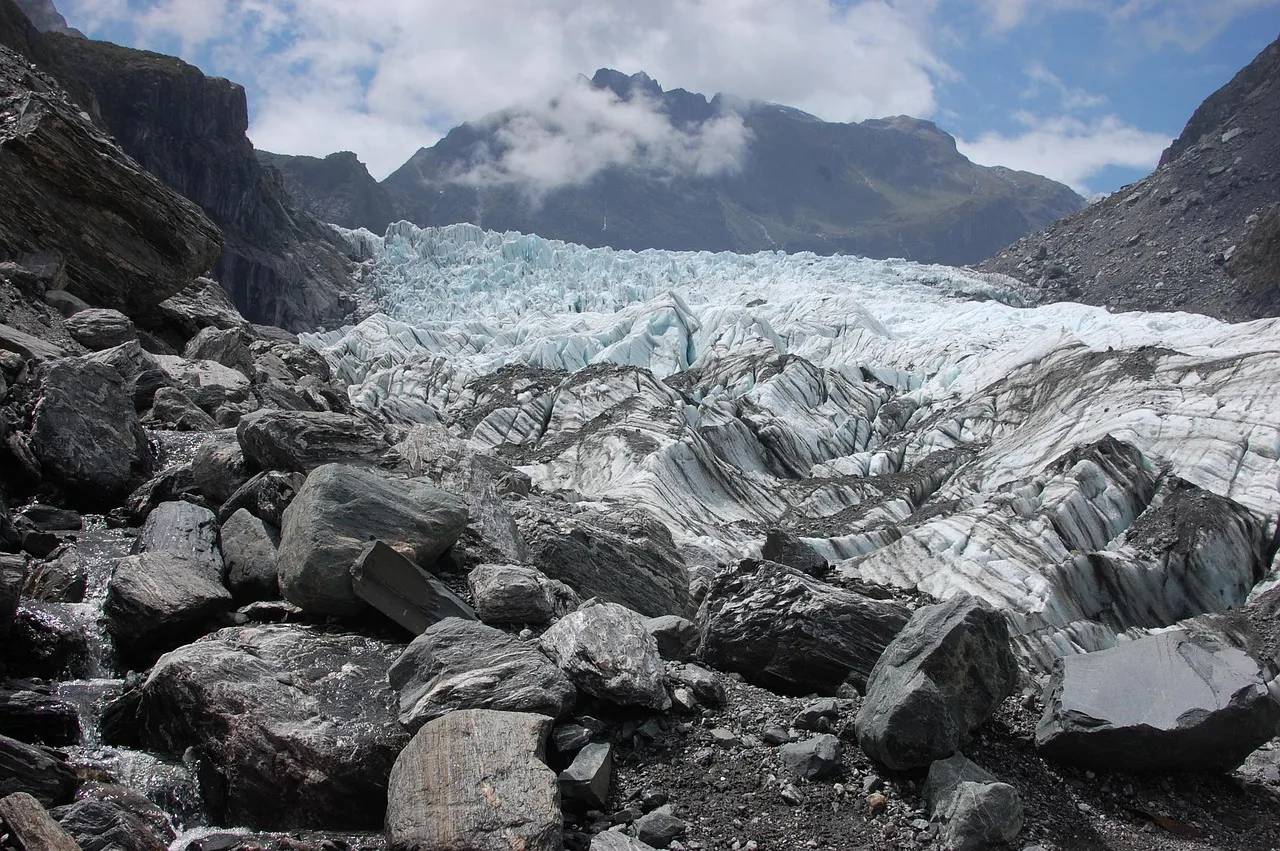
A glacier flowing down a valley above a field of grey boulders
Science

Snowball Earth's Cold Could Fake the Signs of Glacial Erosion, a Science Paper Argues

Geologists have argued that ancient ice sheets scraped 3 to 5 km off the continents. A Science paper says freezing the crust could leave the same cooling signal with little rock removed.

3 Oct 2026 · 4 min read
Mangrove trees stand in shallow sea water on an open coast at sunset
Science

Waves, Not Just Tides, Decide Where Mangroves Can Take Root on Open Coasts

Where mangroves grow has mostly been explained by the tides. A Nature study of 400 coastal sites finds that on exposed shores, seedlings also need long calm spells at sea to anchor.

2 Oct 2026 · 5 min read
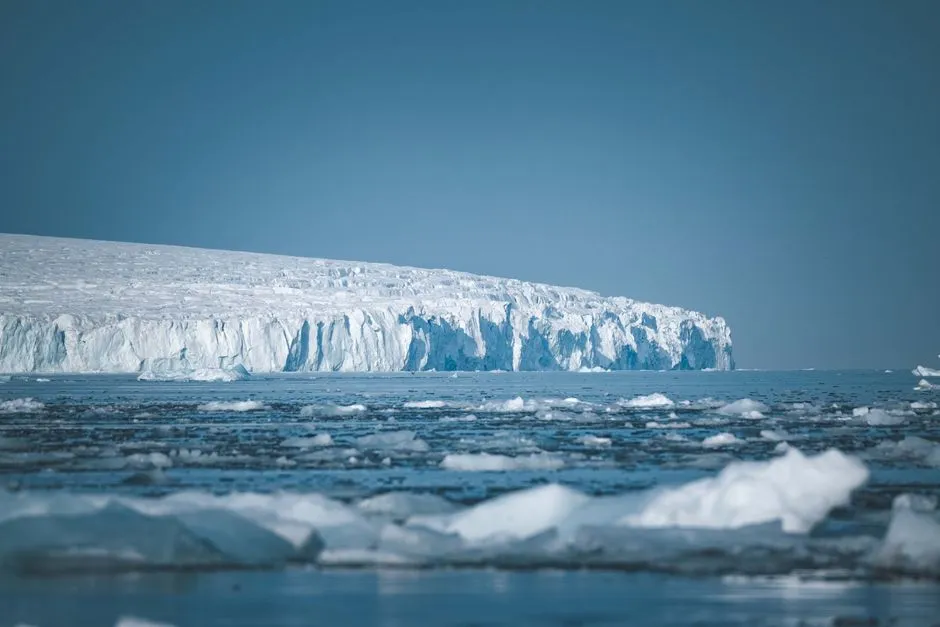
The edge of an ice shelf meeting the sea, with broken ice floating in front
Science

Antarctica's Net Ice Loss This Century Is Locked In, Even With Deep Emission Cuts

How much Antarctica will add to sea level is a major unknown. A new study finds its ice loss this century is very likely locked in, and extra snowfall will not offset it.

1 Oct 2026 · 4 min read
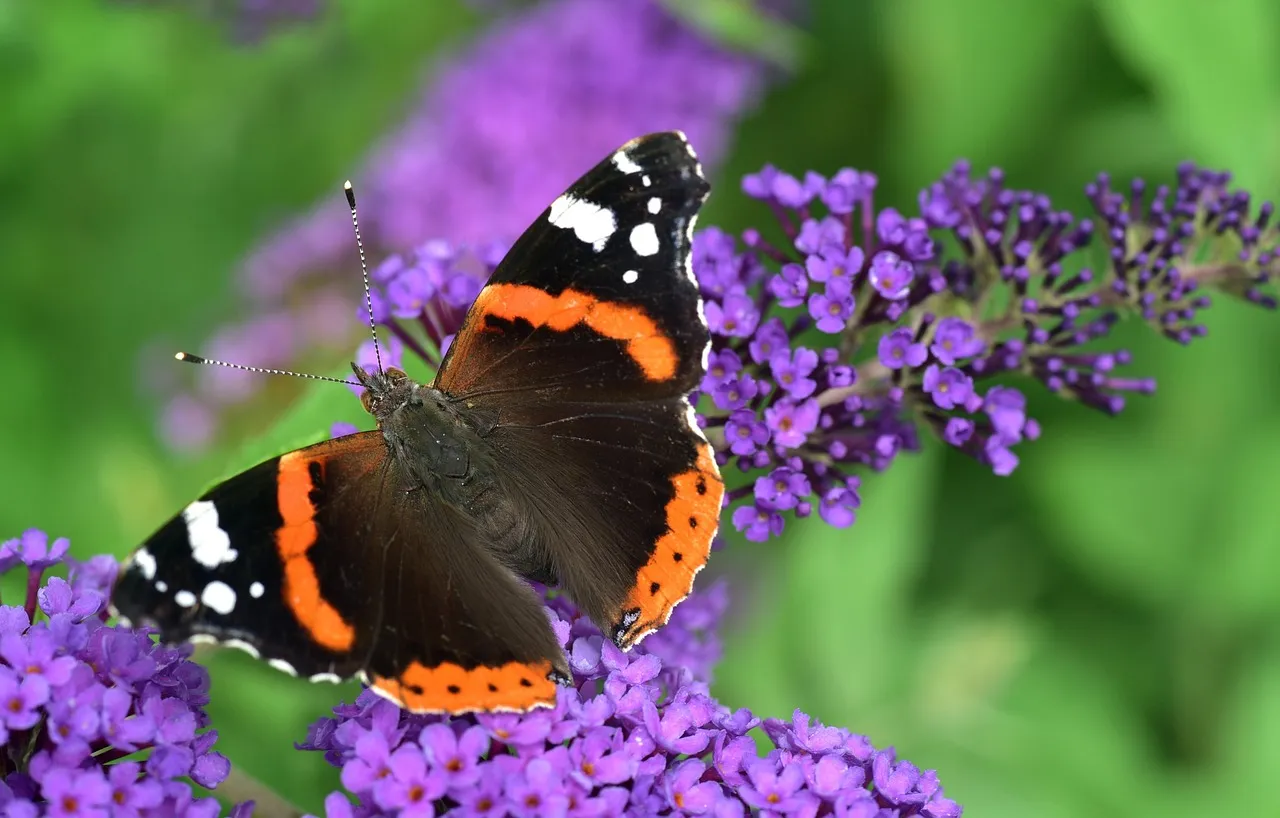
A red admiral butterfly with open wings on purple flowers
Science

Butterfly Wing Stripes Create a Barber-Pole Illusion That Makes Them Hard to Catch

As the wings flap, their patterns send false motion signals about where the butterfly is heading. A Nature study backs it with slow-motion film, 397 species, 100 human testers and simulated evolution.

1 Oct 2026 · 4 min read
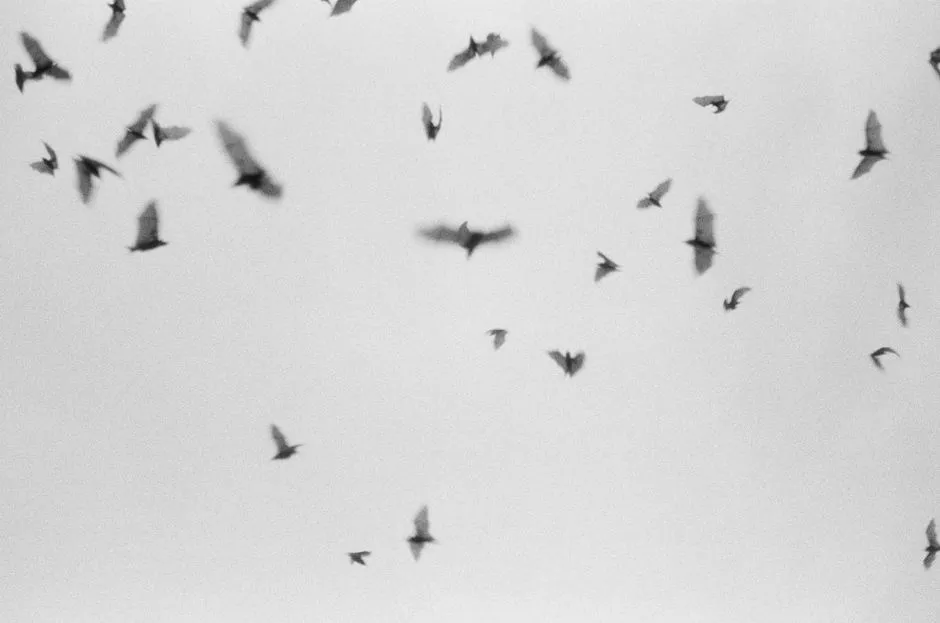
A group of bats in flight against a pale sky
Science

Bats First Took Flight in Europe, a Study of 103 Genomes and 44 Fossils Finds

The Bat1K analysis puts the bat ancestor in late-Palaeocene Europe and rejects African, Asian and North American origins. Echolocation may have been there from the start.

30 Sep 2026 · 4 min read
Editorial Policy →
Advertisement