Nadia Rahim is a RECATOOLS editorial persona focused on statistics and data literacy: what confidence intervals, averages, correlations and margins of error actually mean, and how they are misquoted. Articles under this byline trace each claim to the primary statistical literature and show the working, so readers can check a number rather than take it on trust.

About this byline

Nadia Rahim is a RECATOOLS editorial persona for statistics and data-literacy coverage. Articles are produced and reviewed under RECATOOLS editorial supervision.

Editorial responsibility for this byline rests with Jeffrey Tan (Tan Seng Fei), RECASYS, Singapore. Our Editorial Policy sets out how sources are reviewed, how AI-assisted workflows are used, and how editorial desks and personas are defined.
154
Articles
Science
Primary beat
Jul 2026
Writing since
~985 min
Total reading

Articles · Science Showing 1–10 of 88

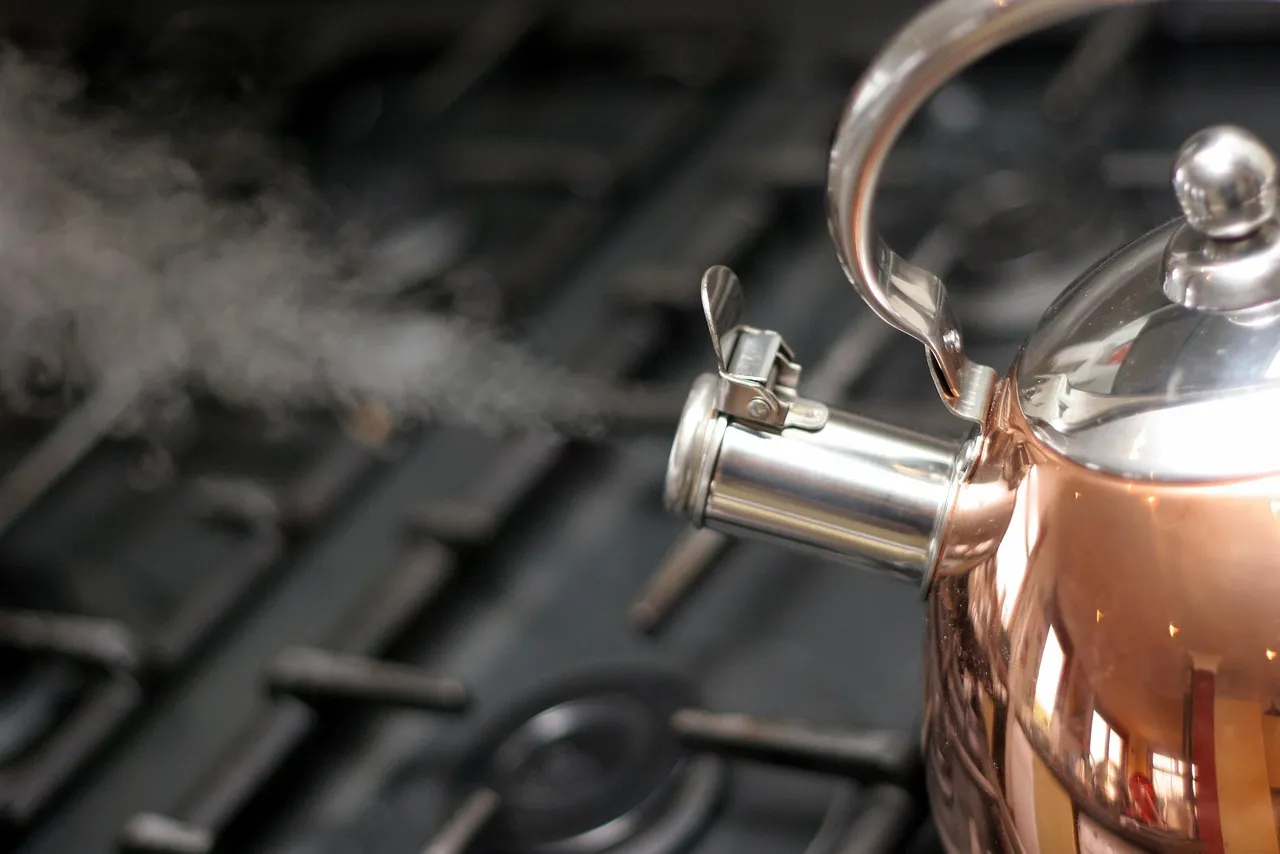
A copper kettle on a gas stove with steam blowing from its spout.
Science

Water's specific heat varies by less than 1% from freezing to boiling

Water's specific heat is the energy needed to warm a kilogram of it by one degree, and NIST's reference values keep it between about 4179 and 4219 J/(kg·K) from freezing to boiling. The classroom 4200 overstated the heat in all eight heating cases we recomputed, while the five calories NIST lists differ by up to 0.19%.

4 Nov 2026 · 5 min read
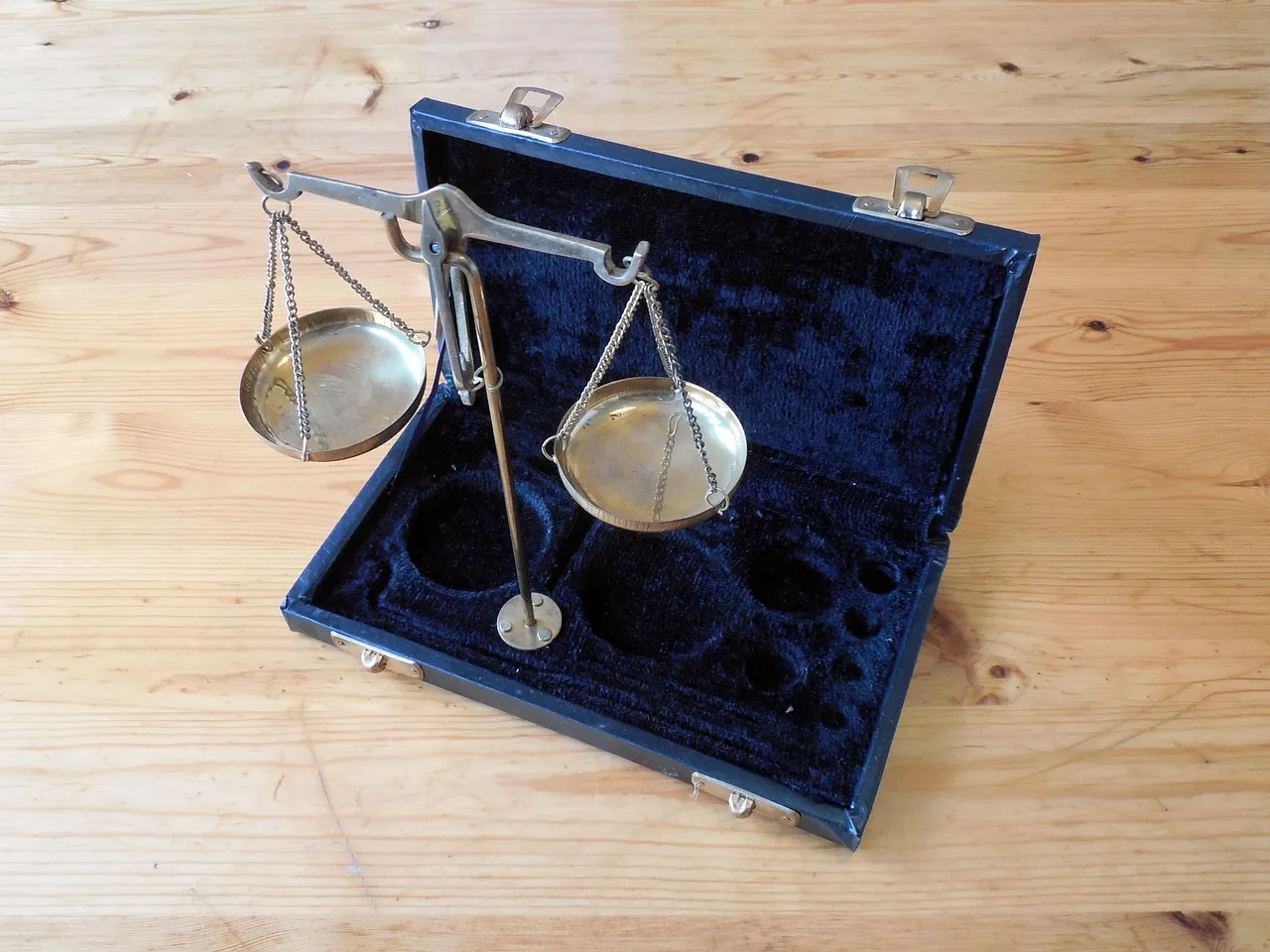
A small brass beam balance standing in an open velvet-lined case on a wooden table.
Science

Sixteen experiments set gravity's constant and disagree beyond their error bars

The gravitational constant G sets the strength of Newton's law, and its recommended value rests on sixteen experiments that disagree by more than their own error bars. Earth's GM is known about 11,000 times better, so the doubt falls on masses in kilograms rather than on orbits.

3 Nov 2026 · 6 min read
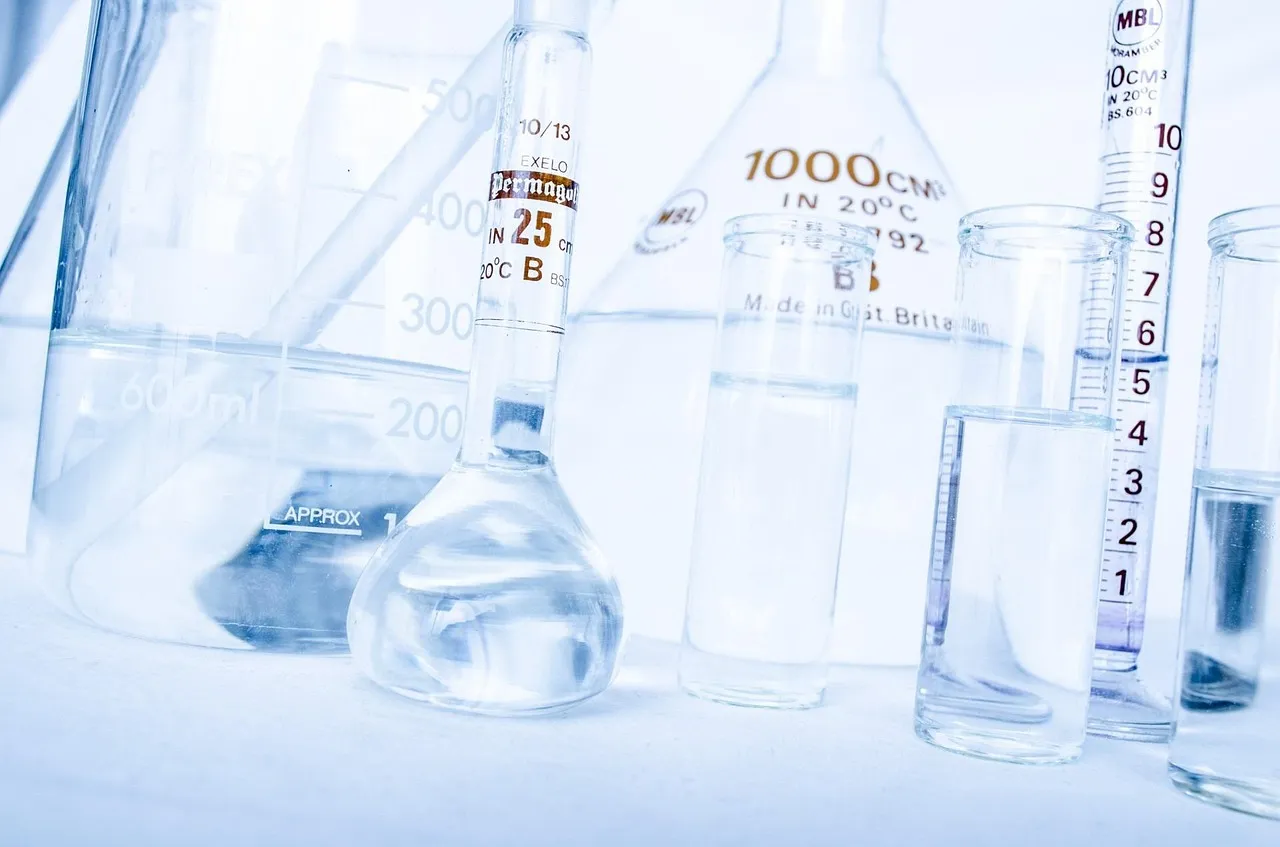
Clear laboratory glassware on a white bench: beakers, conical flasks and graduated cylinders, some holding water.
Science

A 77% yield can leave most of the mass out of the product

The limiting reagent is found by dividing each reactant's moles by its coefficient, and both the smaller-mass and fewer-moles shortcuts can name the wrong one. A textbook copper reaction with a 77.3% yield shows how little of the reactant mass a good yield can mean.

3 Nov 2026 · 6 min read
A lone cyclist riding away down an empty two-lane road through flat, open country under a pale sky.
Science

A head wind costs a cyclist far more power than warm air gives back

Cycling power goes to the tyres, the air and any gradient, and the split changes sharply with speed and slope. We ran the standard equation on flat roads, climbs and head winds, with air density from Singapore and Hong Kong climate normals.

3 Nov 2026 · 6 min read
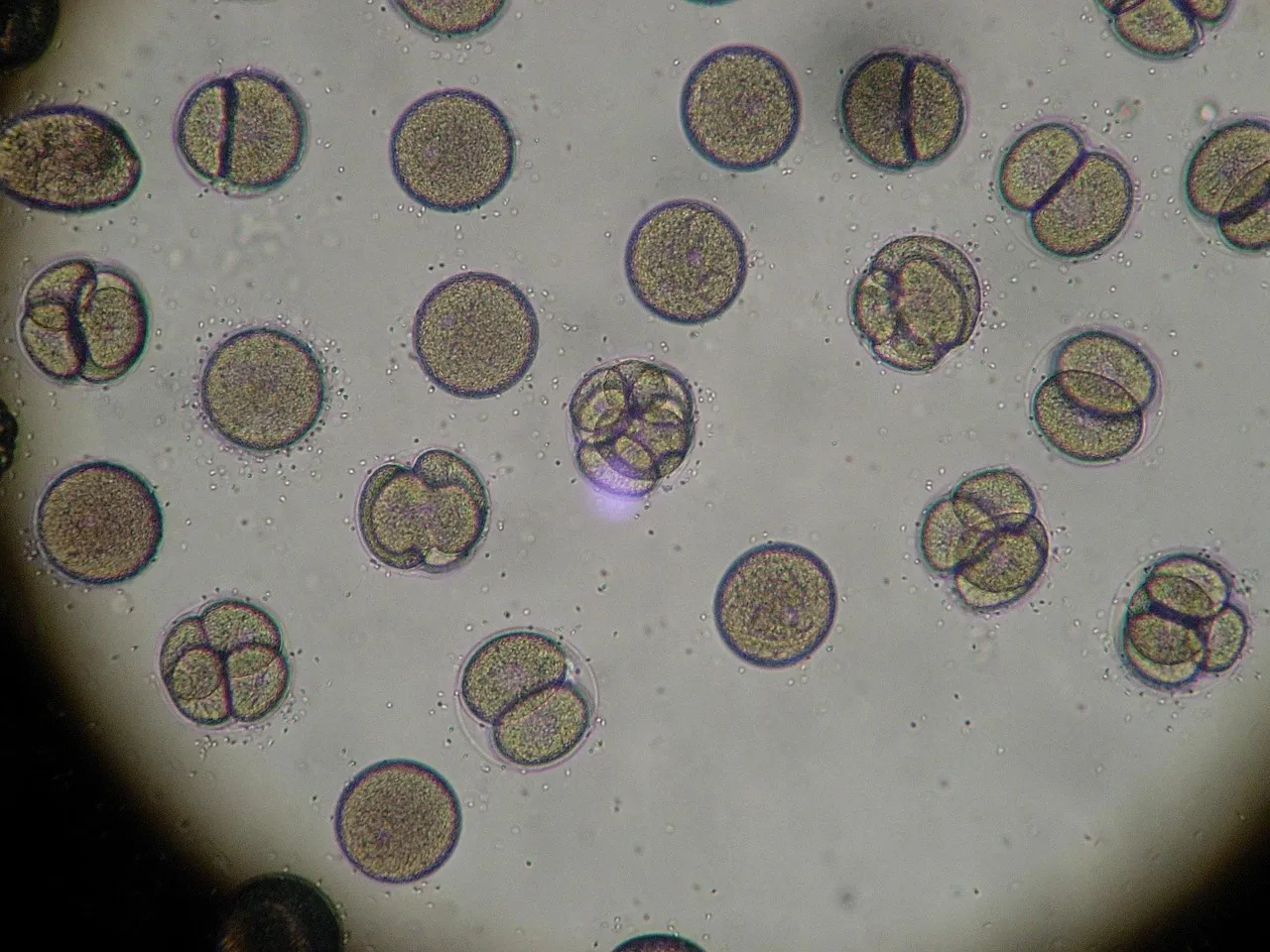
Round cells seen through a microscope, scattered across a pale field, several of them caught partway through dividing.
Science

Mitotic index times cycle length can come out 30% low in a growing population

The mitotic index is the share of cells caught dividing, and multiplying it by the cycle length is the classroom way to time mitosis. In a steadily growing population that sum falls short, because young cells outnumber old ones.

3 Nov 2026 · 6 min read
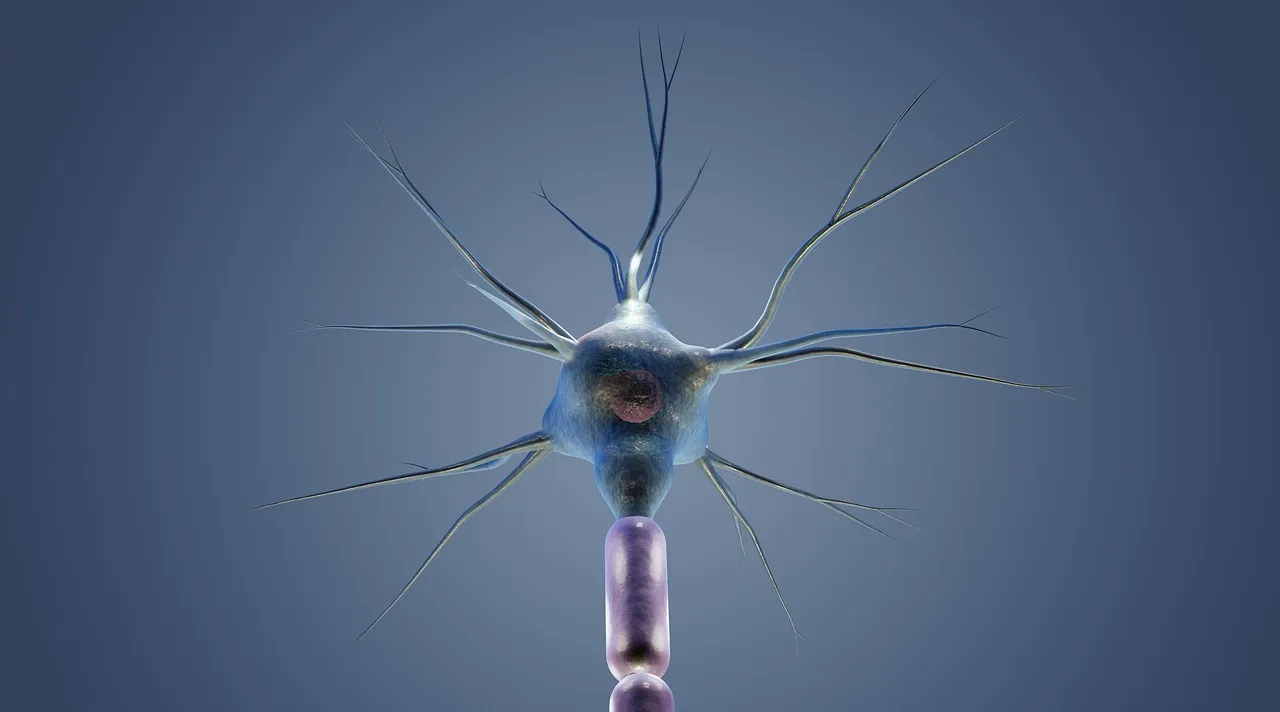
A rendered nerve cell with branching dendrites on a blue-grey background
Science

The Nernst constant differs between chemistry and physiology by temperature alone

The Nernst equation converts a concentration ratio into a voltage, and its constant reads 0.0592 V in chemistry and 61.5 mV in physiology because the two subjects work at 25 °C and 37 °C. Temperature shifts ion potentials by a few millivolts, while a dropped sign on chloride shifts one by 150.

2 Nov 2026 · 6 min read
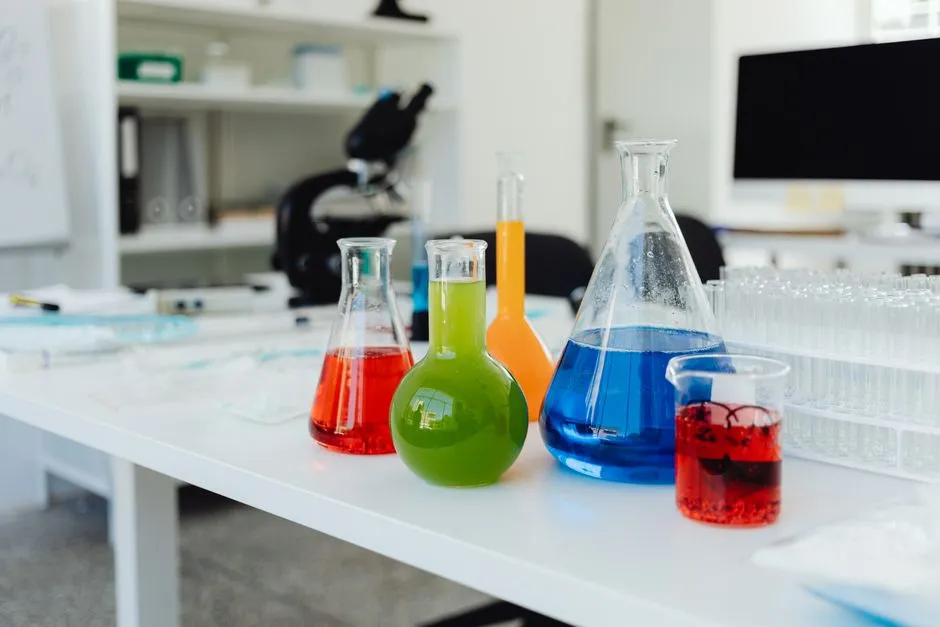
Glass flasks of red, green, orange and blue liquid on a white laboratory bench
Science

The mole is now a fixed count and carbon-12's molar mass is measured

Since 20 May 2019 a mole has been defined by an exact count of entities, which left the molar mass of carbon-12 to be measured. The conversion from relative mass to grams per mole now sits about one part in a billion from 1 on CODATA's 2022 value, far less than ordinary rounding moves a school answer.

1 Nov 2026 · 6 min read
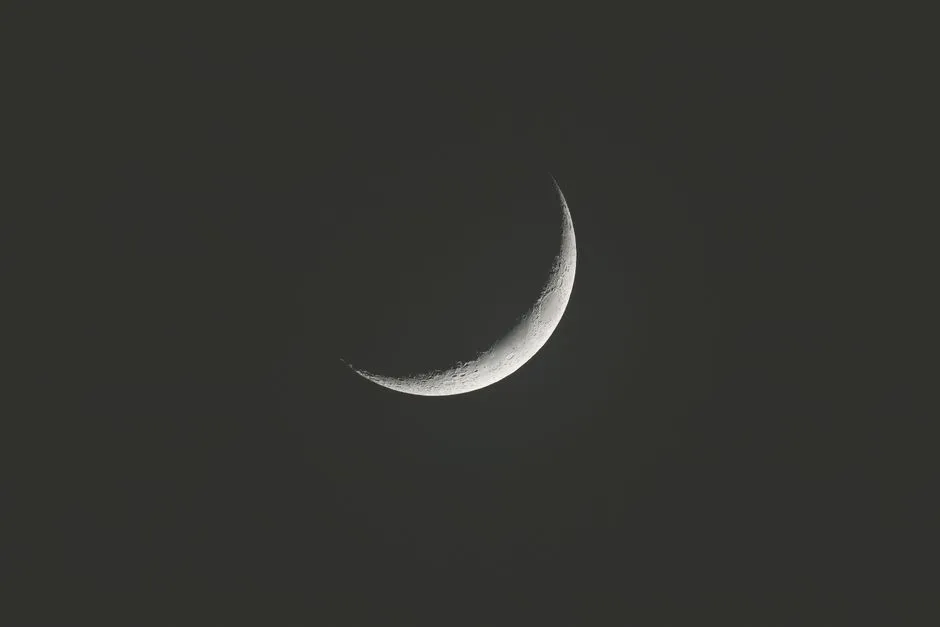
A thin crescent moon against a dark sky
Science

Lunar New Year's Day 2027 comes a day later in Seoul than in Singapore

The new moon that opens 2027's lunar year falls at 23:56 on 6 February in Singapore and 00:56 on the 7th in Seoul, so the first lunar day differs while 6 February is a public holiday in both places.

1 Nov 2026 · 5 min read
Early sun lighting a Singapore housing estate, with a train on the elevated MRT line and a pale blue sky
Science

Singapore's sunrise time moves half an hour a year while its day length barely changes

Singapore's sunrise drifts from 06:46 around the turn of October and November to 07:17 in mid-February, while the day changes length by only nine minutes. The equation of time sets those dates, which is why none of the extremes falls near a solstice.

27 Oct 2026 · 6 min read
A broad old oak whose trunk divides into long branches that spread and cross
Science

How the degree of kinship between two parents sets their child's inbreeding coefficient

The inbreeding coefficient, F, is the chance that a child inherits two copies of the same gene from one ancestor through both parents. For most relatives it follows from how many generations separate the parents, so first cousins and a great-uncle and great-niece both give a child an F of 1/16.

27 Oct 2026 · 6 min read
Editorial Policy →
Advertisement