Nadia Rahim is a RECATOOLS editorial persona focused on statistics and data literacy: what confidence intervals, averages, correlations and margins of error actually mean, and how they are misquoted. Articles under this byline trace each claim to the primary statistical literature and show the working, so readers can check a number rather than take it on trust.

About this byline

Nadia Rahim is a RECATOOLS editorial persona for statistics and data-literacy coverage. Articles are produced and reviewed under RECATOOLS editorial supervision.

Editorial responsibility for this byline rests with Jeffrey Tan (Tan Seng Fei), RECASYS, Singapore. Our Editorial Policy sets out how sources are reviewed, how AI-assisted workflows are used, and how editorial desks and personas are defined.

84
Articles
Science
Primary beat
Jul 2026
Writing since
~603 min
Total reading

Articles Showing 41–50 of 84

A DNA double helix rendered in glowing gold against a black background.
Science

Mitochondrial DNA does not use the genetic code you were taught

Four codons differ between the standard genetic code and the one your mitochondria use, and two of them are stop signals moving in opposite directions. A mitochondrial gene read with the standard table comes out both too short and too long.

1 Sep 2026 · 6 min read
One person working at a desk in a largely empty open-plan office
Statistics

GenAI Reaches 80% of Occupations and 2.8% of Tasks

Reaching 80 per cent of occupations sounds like saturation. It describes contact. Descend to the tasks that make up those jobs and nothing clears 70 per cent adoption.

1 Sep 2026 · 6 min read
Steel framework and insulated pipework on the exterior of an industrial process plant
Science

Fukushima Holds 880 Tons of Debris. Crews Have Removed Under a Gram.

Two trial retrievals have brought out 0.887 grams against 880 tons of fuel debris. The grams are not the project; they are the specification for tooling nobody has built yet.

31 Aug 2026 · 6 min read
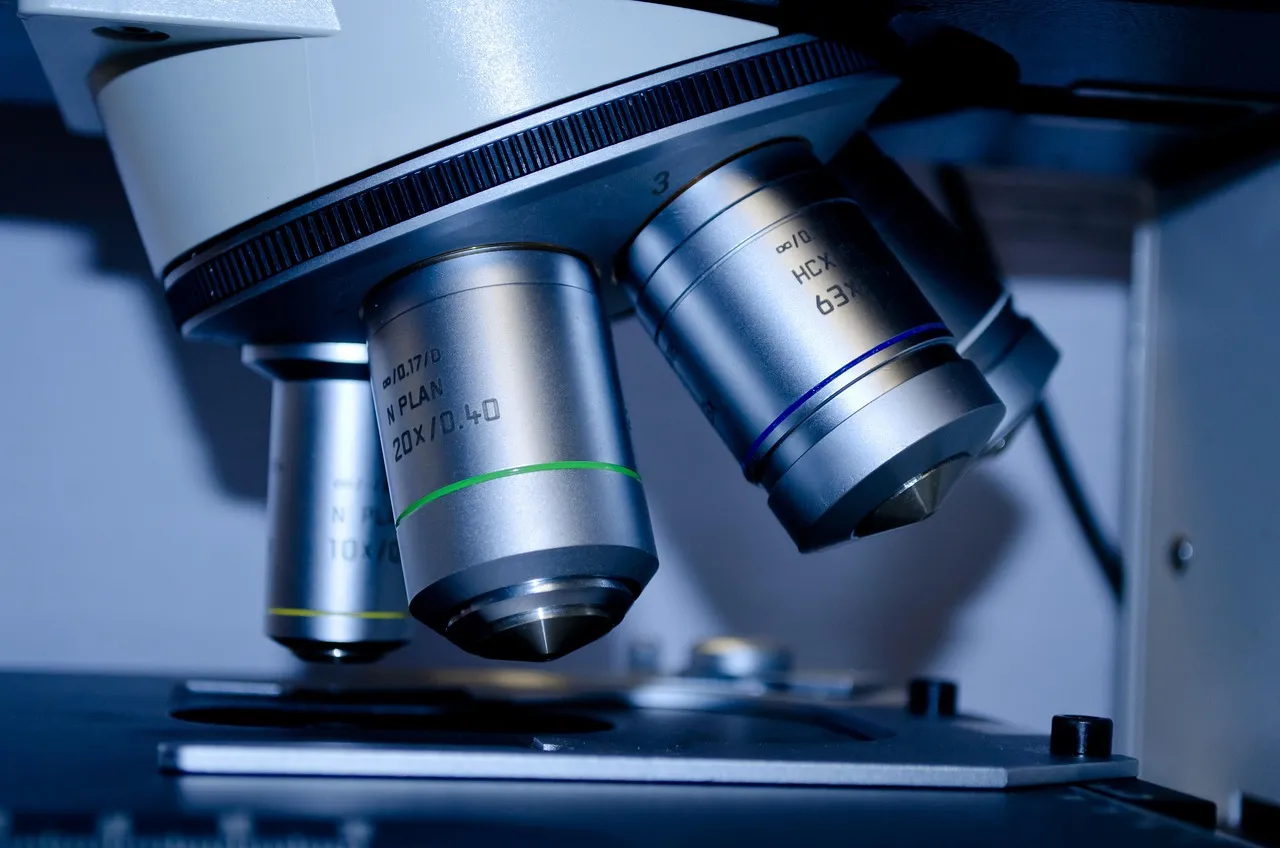
Close-up of the objective lenses on a laboratory microscope
Science

Why your DNA ancestry estimate is vaguer if you are Asian

A result full of "Broadly" labels is telling you something real, but not about your ancestry. One company's own documentation puts 73 reference samples behind maritime Southeast Asia and 2,000 behind Wales.

31 Aug 2026 · 7 min read
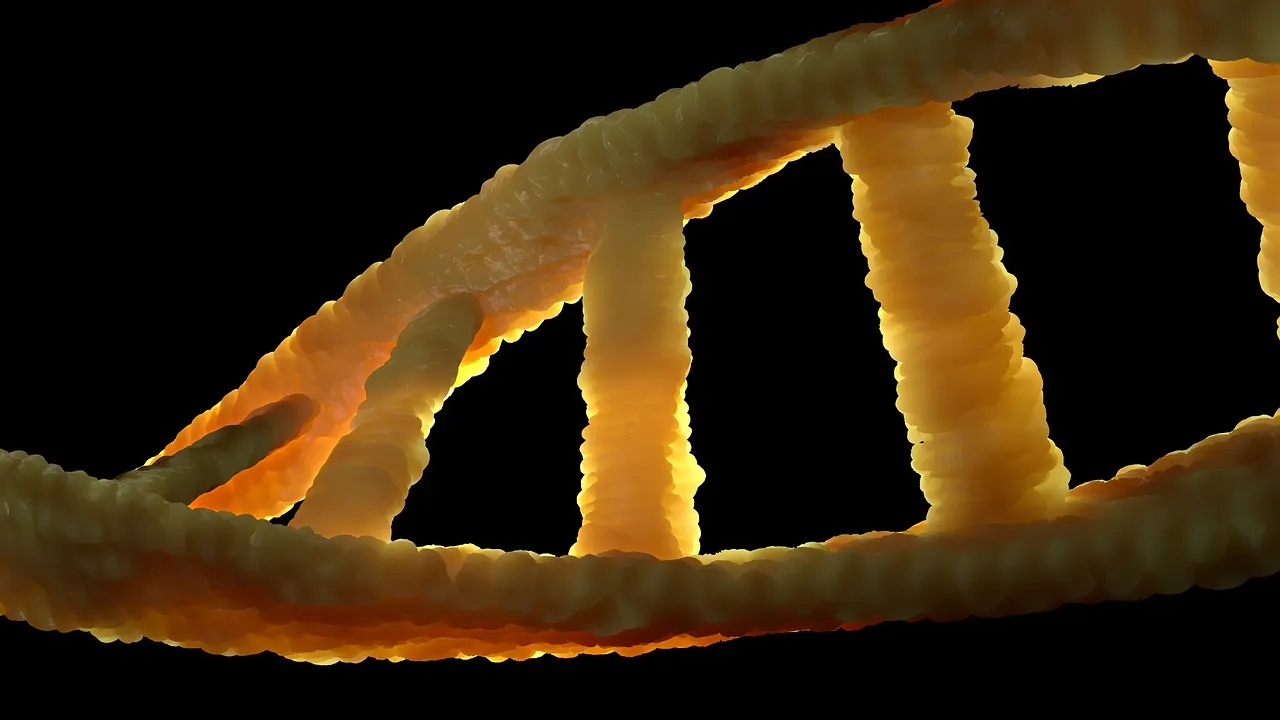
A rendered DNA double helix in amber tones against a black background
Science

When a DNA match could be your grandparent or your half-sibling

A match sharing around 1,700 centimorgans could be a grandparent, an aunt or uncle, or a half-sibling. The averages for all three sit within eighteen centimorgans of each other, so the total cannot separate them — but the segment count can.

31 Aug 2026 · 5 min read
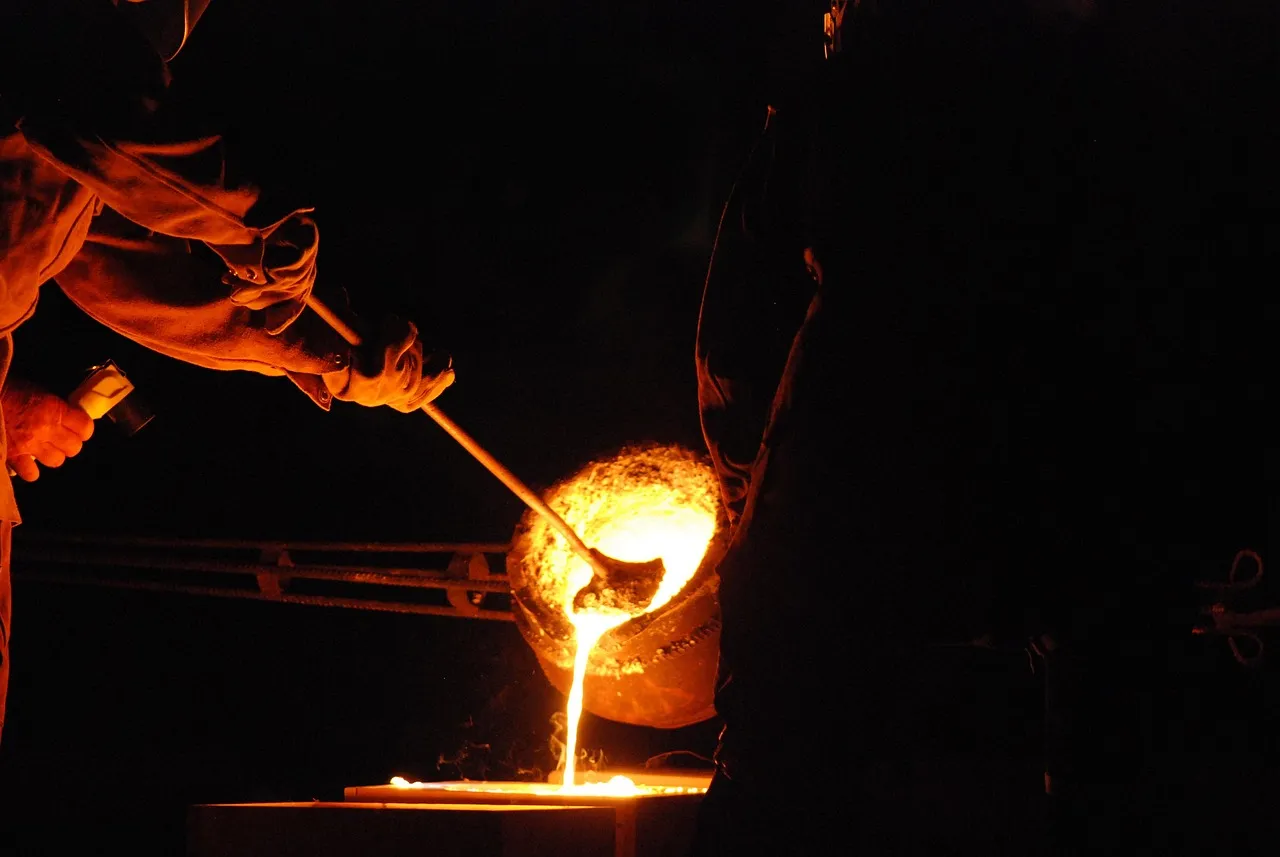
Molten metal being poured from a crucible into a mould in a darkened foundry
Science

SpaceX Is Casting Turbine Blades Because Almost Nobody Else Can

A gas turbine is mostly components any industrial economy can build. One part is not, and the queue for it has been quietly rationing how fast data centres can generate their own power.

31 Aug 2026 · 6 min read
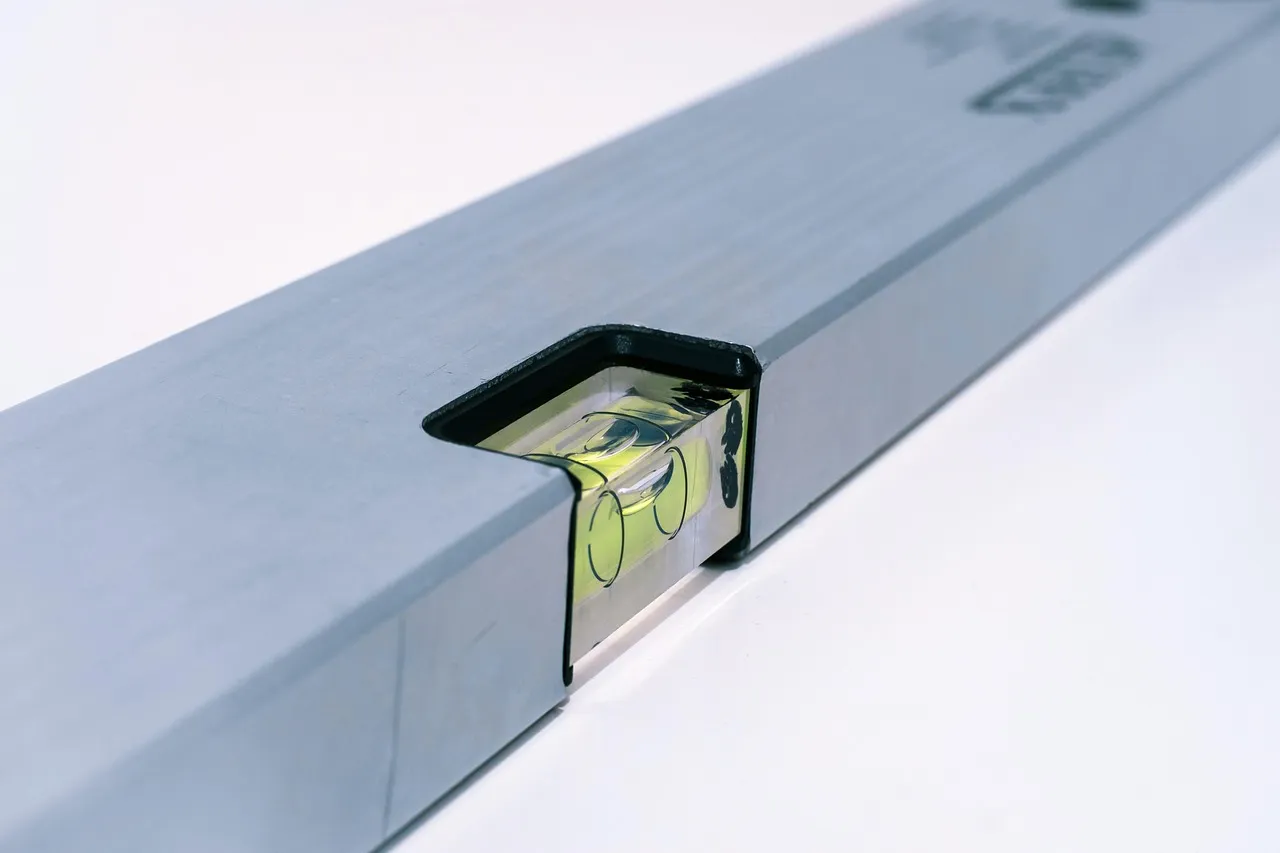
A close-up of a spirit level with the bubble resting at centre between its two marks
Statistics

Why Your Best Performers Get Worse

A thousand simulated pages whose true conversion rates never change. Selected on one period's numbers, the top tenth appears to fall 3.0 points and the bottom tenth to rise 2.31 — and the second period lands almost exactly on the truth.

24 Aug 2026 · 5 min read
A row of terraced front doors along a stone street, one of them painted a bright purple that stands out from its neighbours
Statistics

What Happens When You Test Twenty Metrics

A dashboard rarely shows one number. Simulated with nothing real to find, examining twenty metrics produced at least one significant result 64.2% of the time — and the correction that fixes it takes a real effect's detection from 37.1% to 8.0%.

24 Aug 2026 · 5 min read
A wooden scoop pouring green coffee beans back into a large open sack
Statistics

How Big Does an A/B Test Need to Be?

Sample size is usually decided by how long someone will wait. Simulated across a grid, a genuine one-point lift on a ten percent baseline needs 20,000 per arm to be found reliably — and is detected 17.8% of the time at 2,000.

23 Aug 2026 · 5 min read
A young seedling with a few leaves growing from bare soil, against a blurred green background
Statistics

What Happens When You Check an A/B Test Early

Twenty thousand simulated experiments with no real difference in them. Read once at the end, 4.9% came back significant, as they should. Checked twenty times and stopped when green, 24.8% did.

23 Aug 2026 · 5 min read
Editorial Policy →
Advertisement