Nadia Rahim is a RECATOOLS editorial persona focused on statistics and data literacy: what confidence intervals, averages, correlations and margins of error actually mean, and how they are misquoted. Articles under this byline trace each claim to the primary statistical literature and show the working, so readers can check a number rather than take it on trust.

About this byline

Nadia Rahim is a RECATOOLS editorial persona for statistics and data-literacy coverage. Articles are produced and reviewed under RECATOOLS editorial supervision.

Editorial responsibility for this byline rests with Jeffrey Tan (Tan Seng Fei), RECASYS, Singapore. Our Editorial Policy sets out how sources are reviewed, how AI-assisted workflows are used, and how editorial desks and personas are defined.
154
Articles
Science
Primary beat
Jul 2026
Writing since
~985 min
Total reading

Articles Showing 61–70 of 154

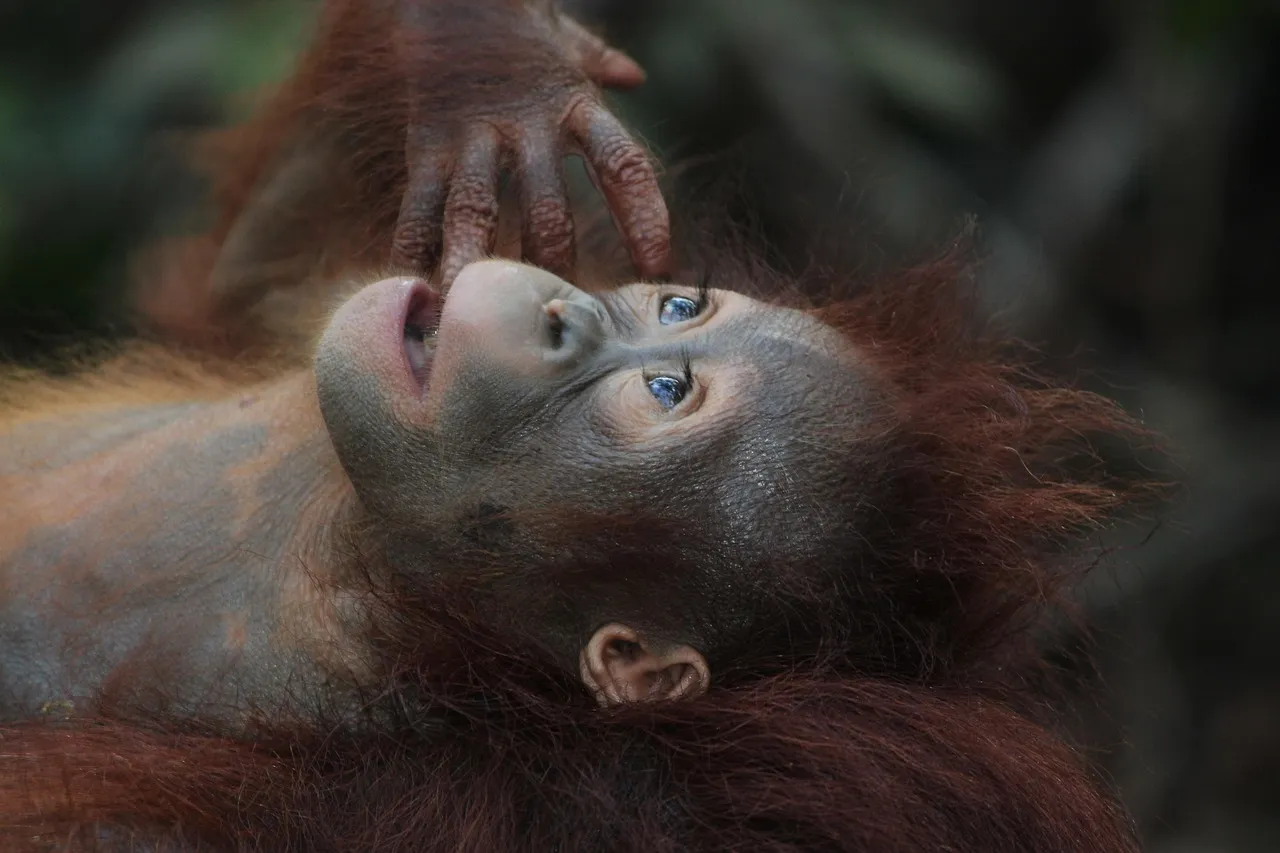
A juvenile orangutan lying back among forest foliage
Science

Eight Years of Watching Decides What an Orangutan Eats

Researchers followed 21 wild Sumatran orangutans from birth to independence across 4,700 hours. Those that watched others most ended up with three times the range of foods.

26 Sep 2026 · 6 min read
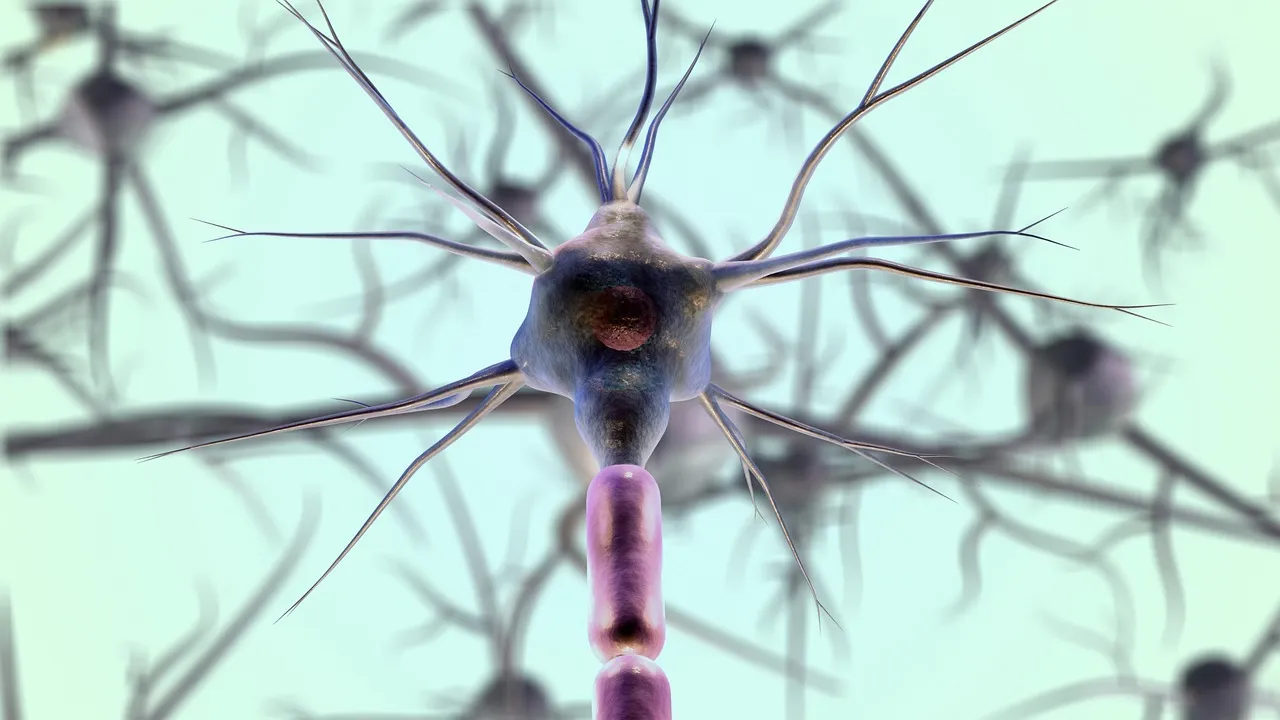
An illustration of a neuron showing its cell body, dendrites and axon
Science

The Brain Is Two Organs That Never Merged

One lineage builds the forebrain and midbrain, the other the hindbrain. Chromatin locks each in place, and the same division shows up in acorn worms.

25 Sep 2026 · 4 min read
The sun sitting low in a gap between hills, throwing long light across curved terraced rice fields with a few farm buildings among them
Science

The 24 solar terms in 2026, and why the date moves every year

A solar term is a moment, not a day: 寒露 2026 is 8 October at 14:29. Here are all 24 with their times, matching the Hong Kong Observatory's almanac to the minute — and across 1900 to 2100 not one of the 24 has a fixed date, seven take four different ones, and the published ranges have drifted since the last century.

25 Sep 2026 · 9 min read
A calligraphy brush on an ink stone in front of practice characters
Science

When yi (一) and bu (不) change tone, and why pinyin usually doesn't show it

一 is said yí before a fourth tone and yì before the others; 不 becomes bú only before a fourth tone; and a third tone rises before another third tone, so nǐ hǎo is said ní hǎo. Here are the rules worked through three real sentences, how often they fire in 200,000 sentences of text, and why written pinyin keeps the original tones.

23 Sep 2026 · 5 min read
Mahjong tiles laid out face up on a table
Statistics

How to count fan in Hong Kong mahjong, and why every table scores differently

In Hong Kong mahjong every table agrees that all chows is 1 fan and a full flush 7, but the rarer hands and the payout scale vary. Here is how the fan add up, what a big hand already includes, why tables need 3 fan to win, and how rare each hand is by shape.

23 Sep 2026 · 7 min read
A person reading a printed Chinese book in low light
Statistics

How many Chinese characters cover 90% of what you read

About a thousand characters make up 90% of written Chinese, but in film subtitles it is 717, and half of what is said on screen takes just 62. Here are three large text collections counted side by side, where the 3,500 figure comes from, and why 90% of characters is not 90% understood.

22 Sep 2026 · 5 min read
Three peach-shaped longevity buns, a traditional birthday food
Science

Finding the years your lunar and solar birthdays fall on the same day

Your lunar birthday and your solar birthday meet only a few times in a lifetime. The first match is at 19 for 57% of people, and at 11, 38 or 46 for the rest. Here is how to find your own matching years, and what happens if you were born on a 30th or in a leap month.

22 Sep 2026 · 5 min read
Game tiles printed with Chinese characters
Statistics

The idioms that end a game of 成语接龙

In 成语接龙, the idiom chain game, some idioms leave the next player nothing to say. Here are the dead ends and two-move traps, counted across 29,502 idioms, and how much the house rules, the word list and the script change the game.

21 Sep 2026 · 5 min read
Old family photographs laid on a family register book
Science

How many ancestors did you have a thousand years ago?

Doubling every generation gives you about a trillion ancestors a thousand years back, more people than have ever lived. Here is where that arithmetic breaks, a simulation of how fast real ancestor counts level off, and when everyone's family trees meet.

21 Sep 2026 · 7 min read
A thin crescent moon low in an almost black evening sky
Science

Two published rules for the new moon disagree about one month in three

MABIMS and Muhammadiyah's wujudul hilal are both published and computable a year ahead. Worked through fourteen lunations from October 2026, they give a different start date on five, always one day apart, and identically in Kuala Lumpur and Jakarta.

21 Sep 2026 · 7 min read
Editorial Policy →
Advertisement