15 OCT 2026 — Malaysia has approved 27 large data centre projects worth an estimated RM225.97 billion through its fast-track Data Centre Task Force, 16 of them in Johor, the Digital Ministry told Parliament this week. Only one is running so far; the other 26 are under construction. The government's answer set out jobs and local content in detail. It said nothing about how much electricity or water the 27 will need.
That gap matters, because those two resources are where the debate over Malaysia's data centre boom now sits.
What the ministry disclosed
In a written parliamentary reply, Digital Minister Gobind Singh Deo put the expected jobs figure at 4,053, of which 3,523 are high-skilled roles in electrical and mechanical engineering, networking, cybersecurity and data centre operations, according to the New Straits Times. Malaysians are expected to fill 89.21 per cent of the high-skilled posts.
Every task force project must meet a minimum 30 per cent local content requirement, monitored by the Malaysian Investment Development Authority through reports filed every six months, The Edge reported. Beyond the 27 fast-tracked projects, Gobind said, 84 data centre projects had been approved nationwide as of July. The task force was set up in February 2025.
What it left out
The parliamentary question asked about approvals by state and spillover benefits for local communities, so the minister answered on jobs and local content. The power and water silence is still notable, because earlier government figures show how large those demands could become.
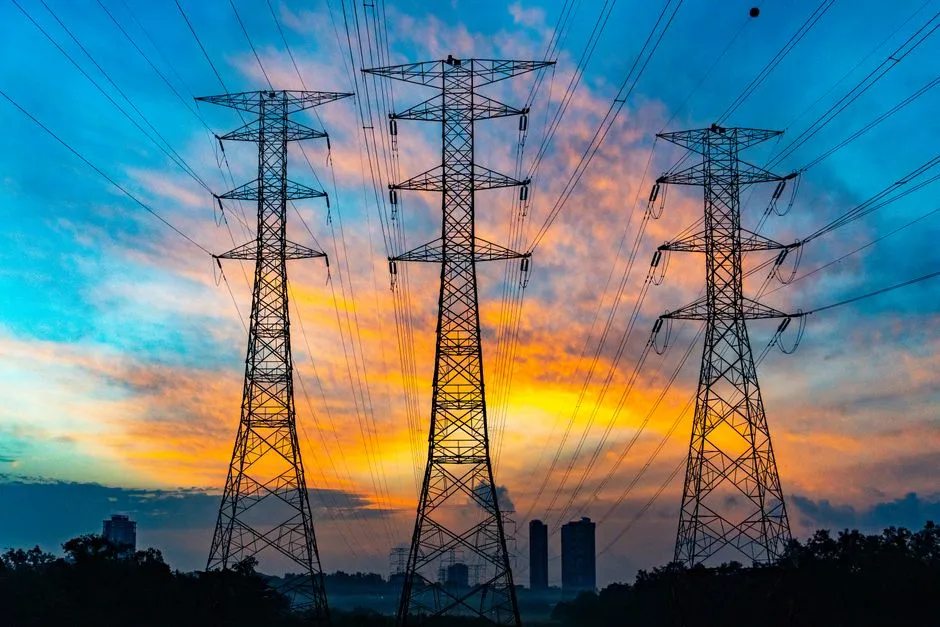
In August, a separate written reply put data centres' share of national electricity use at 31 per cent by 2035, up from 7 per cent at the time. Moody's estimated in September that meeting that demand would need 14 to 17 gigawatts of new capacity at a cost of up to RM95 billion.
Water is the other constraint
Water is the other constraint, and an NST analysis published alongside the reply puts figures on it. Data centres in Johor, Selangor and Negeri Sembilan used about 28.68 million litres of water a day as of January 2026. Projected demand from developments in the three states reaches 445.04 million litres a day between 2025 and 2030, though the article does not say where that projection comes from.
The same piece quotes property consultants arguing that data centres still make sense, but the terms need work. Previndran Singhe of Zerin Properties argued, in NST's summary, that new approvals should reflect the electricity and water actually available now rather than the assumptions behind the original investment pipeline. He also wants approvals tied to renewable energy purchases and the most water-efficient cooling.
Johor carries most of the load
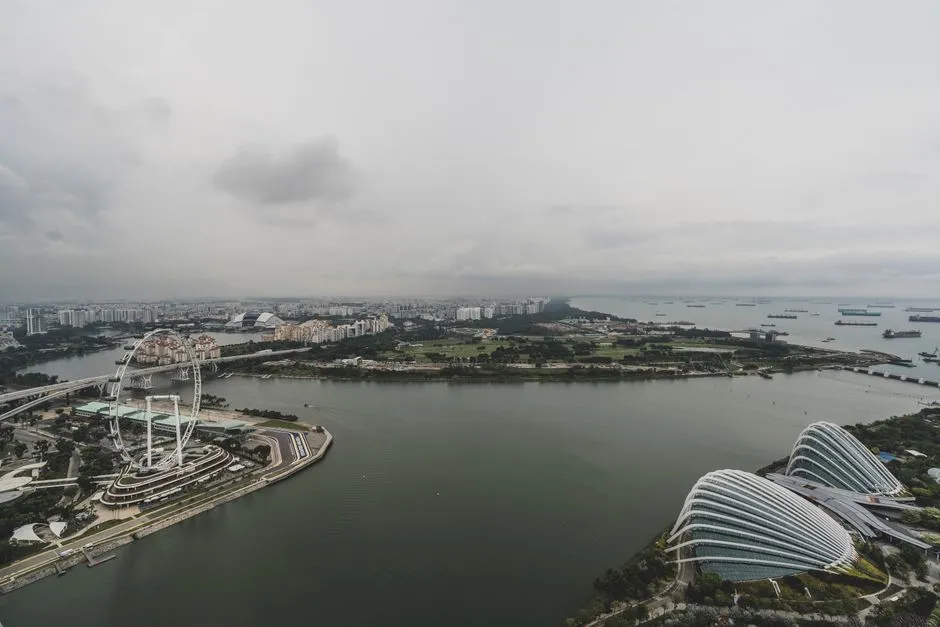
With 16 of the 27 projects, Johor is where these pressures concentrate. Its pull is proximity to Singapore, which has largely run out of land and power for large new facilities, as NST's analysis notes. NST's analysis also notes that the Finance Ministry has been pushing to reprice data centre investments, a sign that the government is reconsidering the incentives that drew the projects in.
The disclosure still missing
For investors and residents alike, the useful next disclosure would be the one this reply did not make: how many megawatts and how many litres the 27 approved projects are permitted to draw, and when. Until that is published, the job numbers describe the benefit side of the bargain, while the cost side remains an estimate.