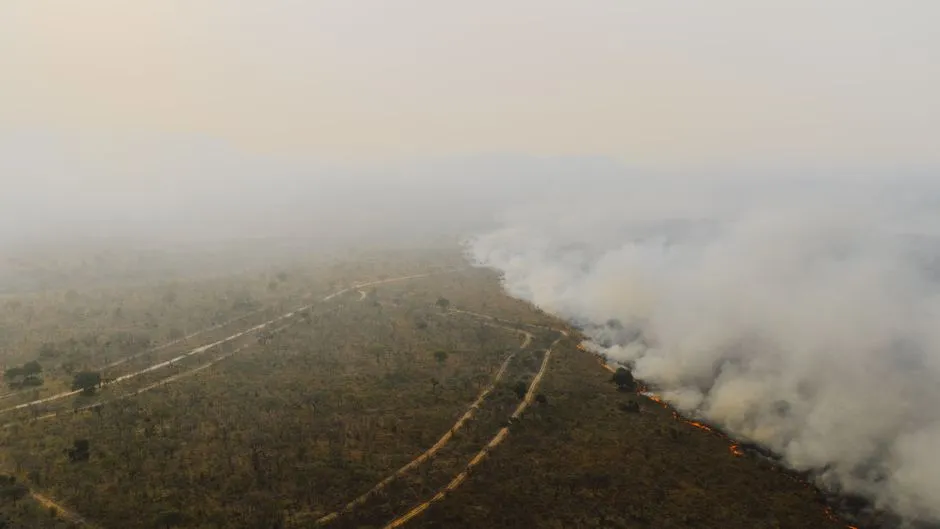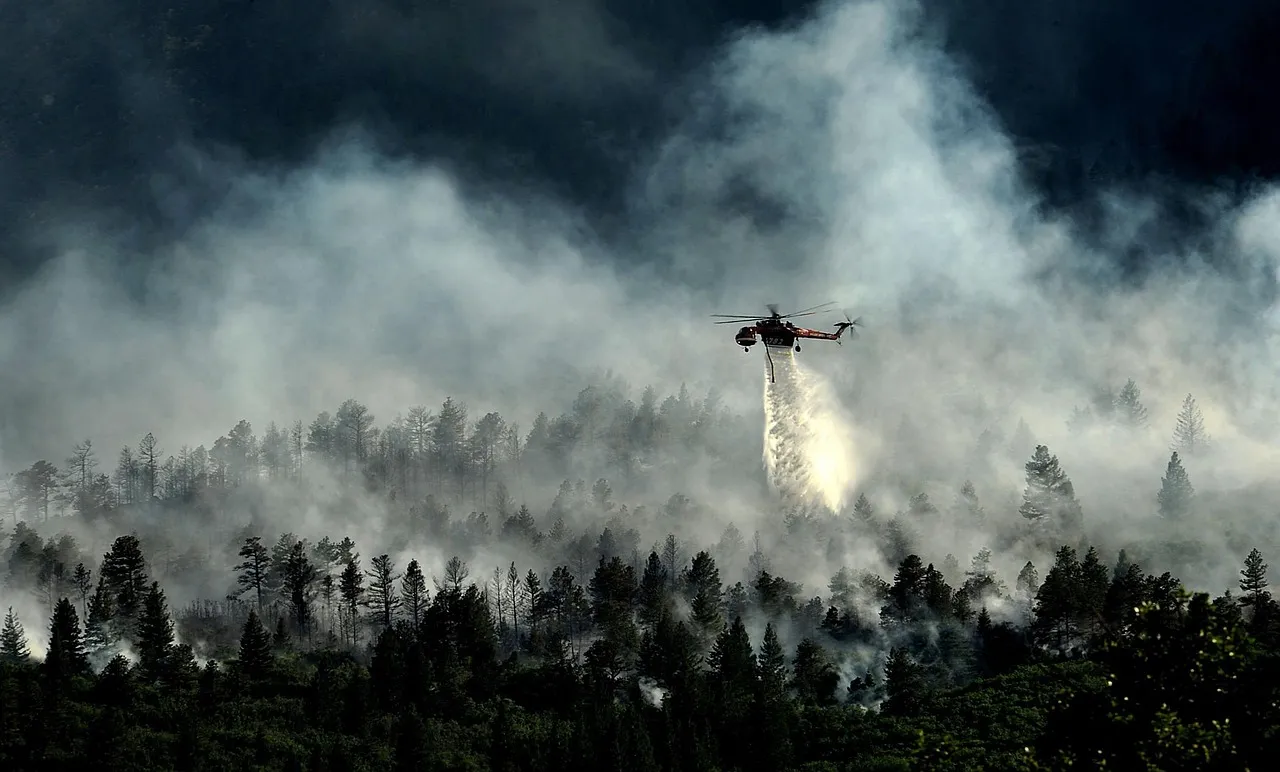
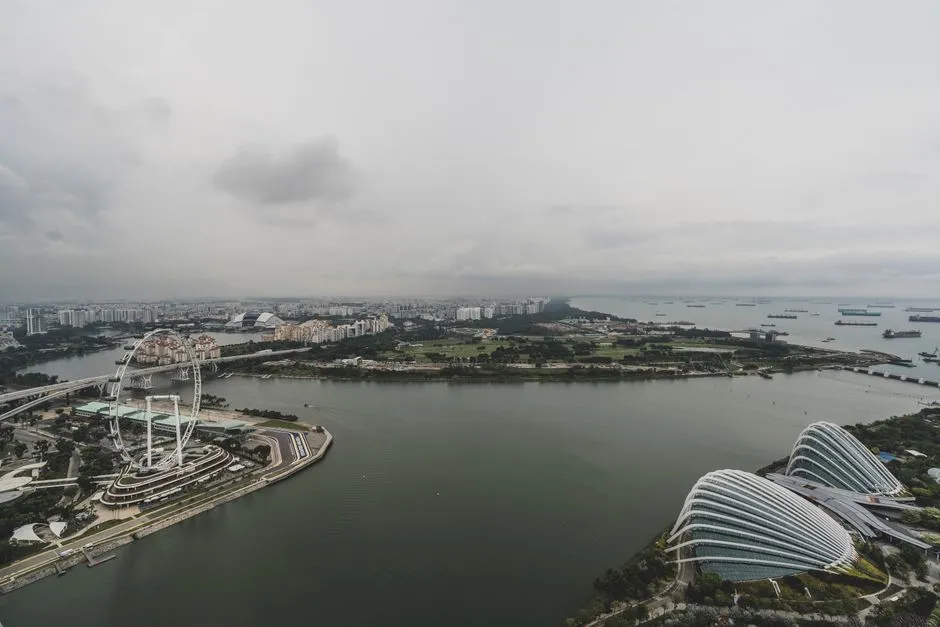
16 OCT 2026 — Prime Minister Lawrence Wong says Singapore is checking which companies are responsible for the fires in Indonesia behind this month's haze, and will act against them "where warranted" under the Transboundary Haze Pollution Act. The law has been in force since 2014. In that time, CNA reports, no one has been fined or sued under it, and investigations into four Indonesian companies over the 2015 haze are still open.
Wong's warning came on 15 October, as Singapore entered its longest unbroken run of unhealthy air since that 2015 crisis.
What Wong said
"Where warranted, we will take action under Singapore's Transboundary Haze Pollution Act, and explore joint action with other countries," Wong said in a social media post, CNA reported. He said Singapore had offered help to Indonesia and would keep working with it and other ASEAN partners. Indonesian President Prabowo Subianto approved foreign assistance to fight the fires the same day, according to Indonesia's foreign minister. "We cannot control the weather or winds, or what happens beyond our borders," Wong said. "But we will do everything we can to protect Singaporeans, while working with our neighbours to address the haze's underlying causes."
A day earlier, Minister for Sustainability and the Environment Grace Fu said Singapore was keeping its options open on action under the Act while it collected and reviewed data. She added that Singapore's offer of help to Indonesia remained open.
What the law allows
The Transboundary Haze Pollution Act lets Singapore act against companies whose overseas conduct causes or contributes to haze here, or that condone such conduct by others. A company convicted can be fined up to S$100,000 for each day of haze pollution, plus up to S$50,000 a day if it ignored a preventive notice, with the total capped at S$2 million. The Act also creates a civil duty, so people and businesses in Singapore can sue for injury, property damage or economic loss.
The law builds in presumptions to make cross-border cases possible. Satellite and weather data can be used to presume that smoke came from a particular fire, and maps, including those supplied by foreign governments, can be used to presume who owns or occupies the land. Under the Act, an episode counts when the 24-hour PSI for fine particles reaches 101 anywhere in Singapore and stays at that level for at least another 24 hours. CNA notes that this alone does not establish that any company is liable.
Eleven years, no fines
The law has had one previous test. After the 2015 haze, the National Environment Agency identified fires on land linked to six Indonesian companies and served legal notices on all of them, it told CNA this week. Two cases were closed after the companies showed they were no longer linked to the land when the fires happened. Investigations into the other four, PT Bumi Andalas Permai, PT Bumi Mekar Hijau, PT Sebangun Bumi Andalas Woods Industries and PT Rimba Hutani Mas, remain open more than a decade later. NEA said it could not give further details.
Evidence is the hard part. Investigators need to show who controlled the burning land and link that land to the smoke over Singapore, using records held in another country. The presumptions in the Act help with the second step. They do less with the first when ownership is layered through subsidiaries and contractors, and a notice served on a company abroad is only as strong as Singapore's ability to enforce it there.
How bad this haze is
Singapore has recorded unhealthy PSI every day since 5 October. The Straits Times found that 12-day run is the longest since 2015, when the worst stretch lasted 14 days. The PSI first reached the "very unhealthy" band at 9pm on 14 October and was 226 in central Singapore at 8am on 16 October. RECATOOLS reported earlier this week that air quality had hit its worst level since 2015, prompting free N95 mask distribution.
The Straits Times notes that both 2015 and 2026 were strong El Niño years, when drier weather in Indonesia lets peat and plantation fires spread. That points to a regional land-use problem as much as a legal one.
What to watch
The first test of Wong's statement is whether NEA serves notices this year, and on whom. The second is whether the four 2015 cases ever conclude. A law that has produced no fine in 11 years may still deter, because companies cannot know which case will be the first. Without a result, though, its value as a threat depends on the government being willing to take a case to court.