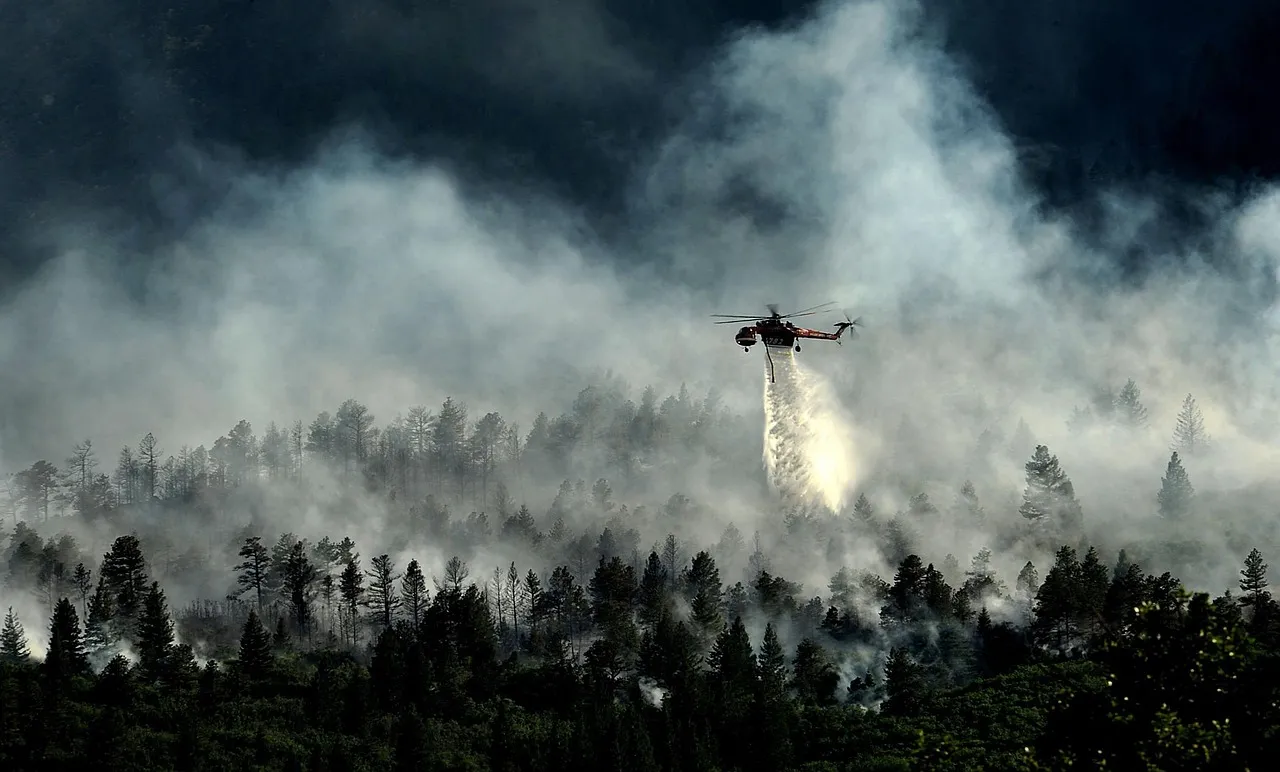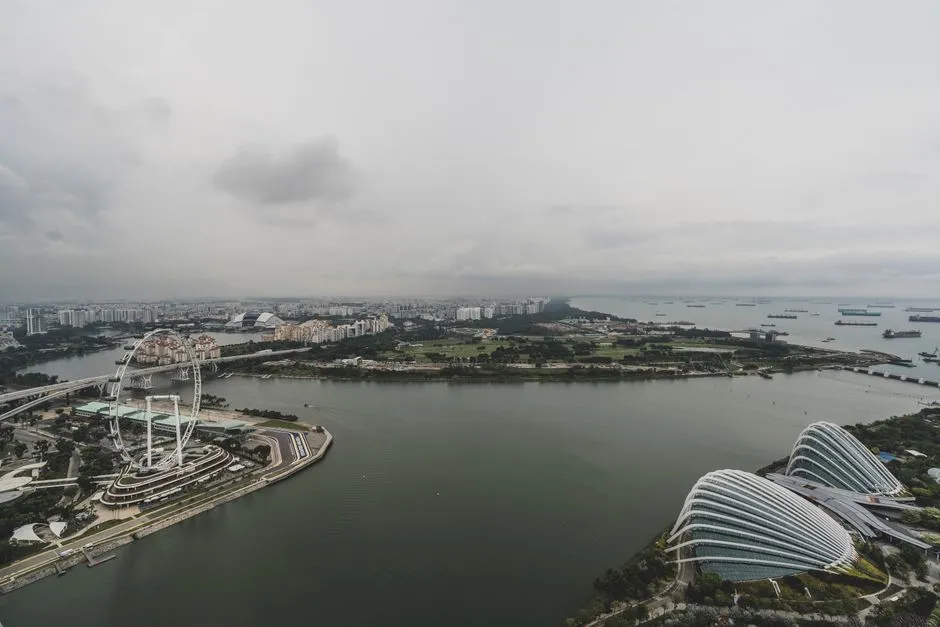
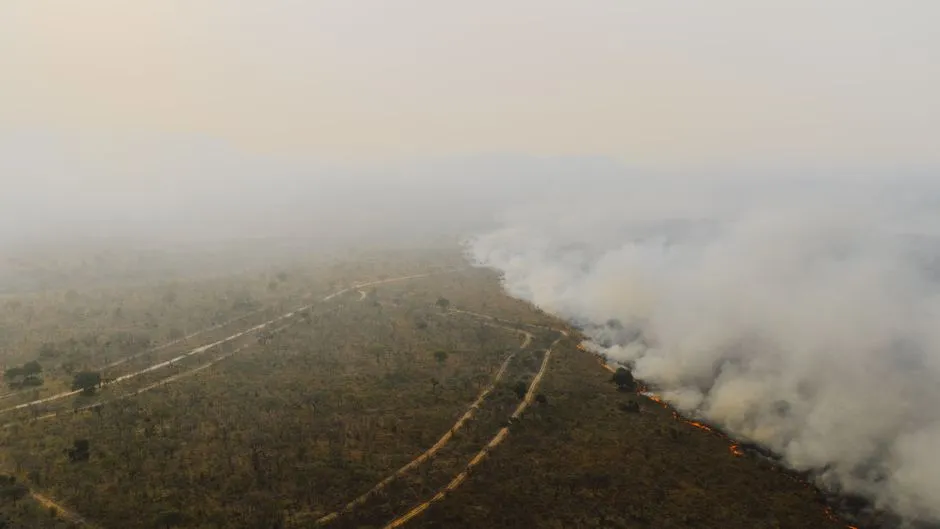
17 OCT 2026 — Singapore has used its haze law against named companies for the first time in 11 years. The National Environment Agency (NEA) has sent preventive measure notices to seven companies whose land in Sumatra it links to the fires behind this month's haze, Minister for Sustainability and the Environment Grace Fu said on 16 October. Three of the seven received the same kind of notice during the 2015 haze, and those cases are still open.
The notices are a first step, not a penalty. Fu said fines and charges remain under consideration, and admitted that enforcement across the border is hard.
Who received notices
According to a report in The Straits Times, the seven are Bumi Andalas Permai, Bumi Mekar Hijau and SBA Andalas Wood Industries, the three that also received notices in 2015, together with Paramitra Mulia Langgeng, Sumatera Alam Anugerah, Hutan Lestari Raya and Bangkanesia. CNA reported that all seven are linked to Indonesia's forestry and timber plantation sector, mainly in South Sumatra and the Bangka Belitung Islands, and that three have been identified as suppliers to Asia Pulp & Paper, part of the Sinar Mas Group.
The companies were identified in relation to Singapore's air quality on 8 and 9 October, Fu said, using satellite imagery, weather data and open-source images. NEA will investigate other companies and may issue more notices.
What the notices require
Each notice requires the company to deploy firefighters to put out or contain any fire on land it owns or occupies, to stop or not start any burning, and to send NEA its plans for extinguishing the fires and preventing them recurring. Under the Transboundary Haze Pollution Act, a company convicted of causing haze that had ignored such a notice faces an extra fine of up to S$50,000 a day, on top of up to S$100,000 a day for the haze itself, within an overall cap of S$2 million.
"We will continue to monitor the situation and the companies' responses to these notices," Fu said. "Where warranted, we will take further action under the THPA based on the information and evidence available."
The 2015 lesson
As RECATOOLS reported this week, the Act has never produced a fine or a lawsuit. After 2015, NEA served notices on six companies, closed two cases and has kept four open for more than a decade. Three of those four are among the companies served again this week.
Enforcement is the hard part
Fu acknowledged the difficulty. Asked whether the notices have teeth, she said fines and charges are within the "realm of consideration", but that "it is not easy. I will be the first to admit, but we must try." The government had learned from 2015 about gathering evidence and how to "go behind company names to find out more about people that are responsible", she said. The ownership links between the seven companies, their owners and suppliers are still being investigated.
Where this leaves the region
Singapore's move contrasts with Malaysia, whose foreign minister ruled out legal action this week, saying it would mean being "prepared to sever relations", as RECATOOLS reported. Singapore's notices are aimed at companies, not at the Indonesian state, and Fu said she had again offered Indonesia civilian firefighting help and cloud seeding. She had not heard back. The next test is whether any of the seven complies, and whether NEA's 2015 cases, now joined by three repeat recipients, finally reach a court.