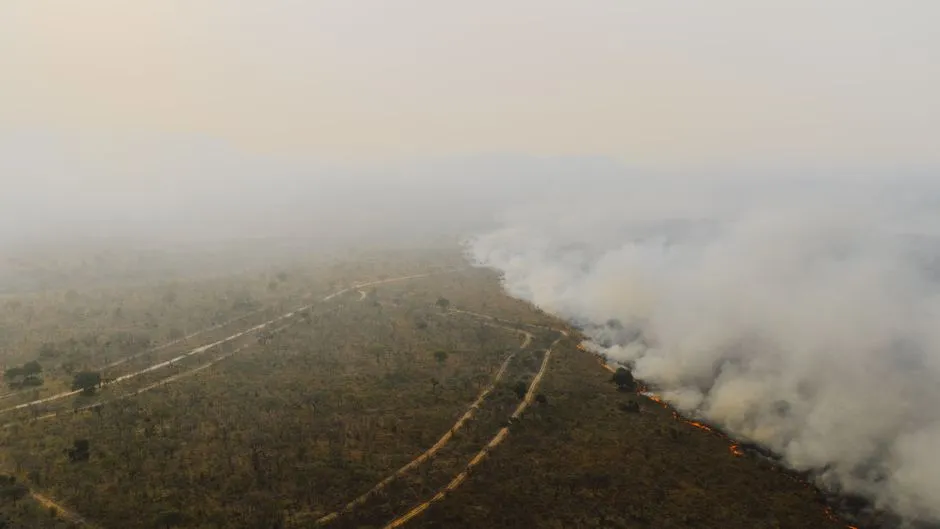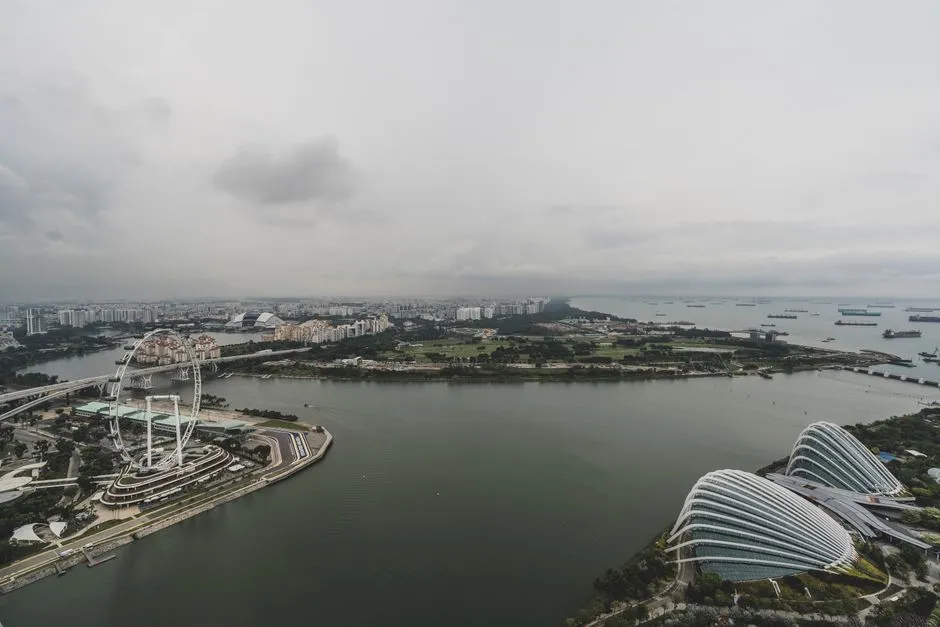
17 OCT 2026 — Southeast Asia's governments are responding in very different ways to what the UN's weather agency calls one of the worst transboundary haze episodes. Singapore says it may take legal action against the companies behind the fires in Indonesia. Malaysia's foreign minister says it will not, because doing so "would mean we were prepared to sever relations". Timor-Leste has closed its schools. The World Meteorological Organization's regional director says the haze could last weeks or even months.
The split matters because the haze crosses borders that the response does not.
Update, 17 October: on 16 October, before this article was published, Singapore's National Environment Agency served preventive measure notices under the Transboundary Haze Pollution Act on seven companies in Sumatra. This article did not include that when first published. Our report on the notices has the details.
Singapore's position
Prime Minister Lawrence Wong said on 15 October that Singapore was looking into which companies were responsible and would act "where warranted" under its Transboundary Haze Pollution Act, while exploring "joint action with other countries", CNA reported. RECATOOLS reported this week that the law has never fined or been used to sue anyone since it took effect in 2014.
On 16 October, Minister for Sustainability and the Environment Grace Fu warned that Singapore should brace for prolonged haze that could reach hazardous levels, The Straits Times reported. Relief was only likely in three to four weeks, when the winds change. She said she had offered her Indonesian counterpart, Environment Minister Jumhur Hidayat, civilian firefighting help and cloud seeding.
Malaysia's position
Malaysia's Foreign Minister Mohamad Hasan ruled out both legal action and a formal diplomatic note. "It is easy to talk about taking legal enforcement action, but doing so would mean we were prepared to sever relations," he said on 15 October, according to a report in The Straits Times. "We have not reached that point, so there is no need to issue a diplomatic note. Such a note is a last resort."
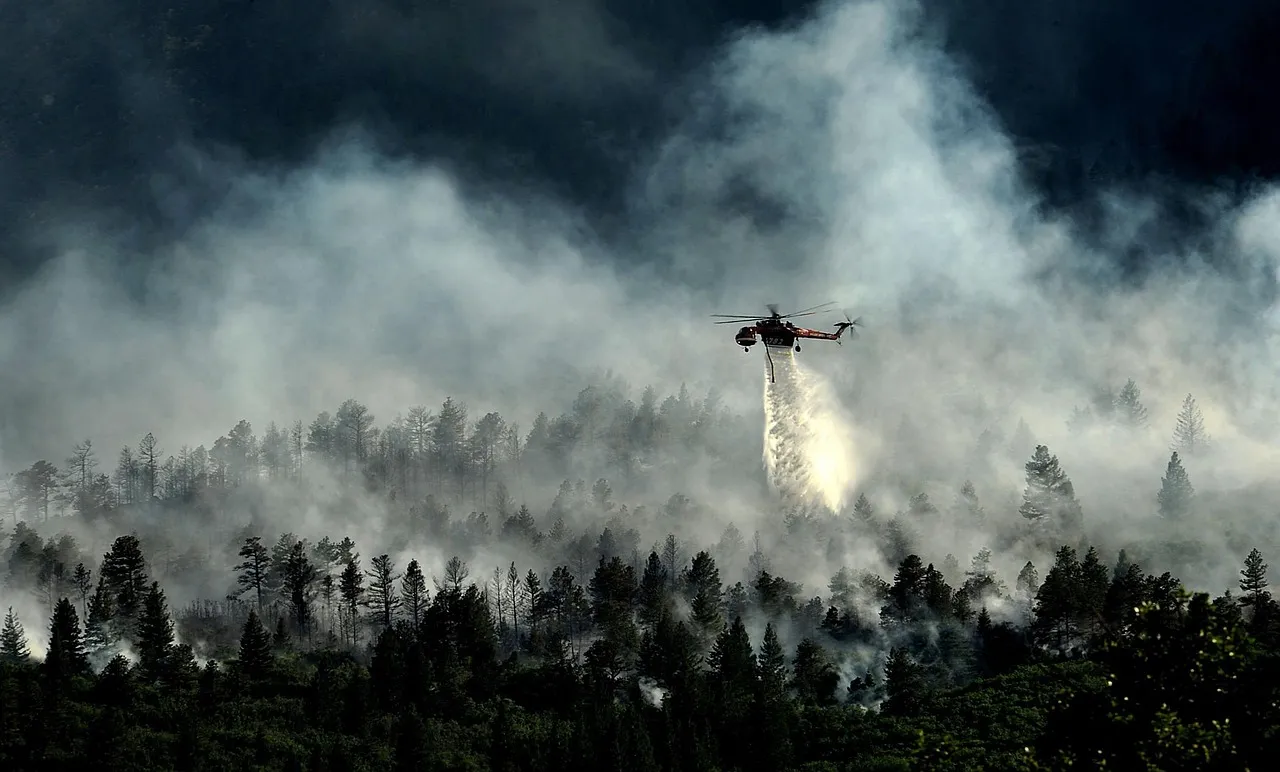
He said Malaysia preferred talks between leaders and ASEAN mechanisms, and had asked its foreign ministry to coordinate help for Indonesia's firefighting. That help has its own limits: a Japanese assistance team had to pull out because it could not reach the fires, he said, and Malaysian helicopters cannot fly because visibility is below 50 metres.
Timor-Leste and the wider region
Timor-Leste began a three-day school closure on 15 October, saying it was needed "to protect the health of students, teachers and other members of the educational community, given current air quality conditions", AFP reported. The fires have burned hundreds of thousands of hectares in Sumatra, Borneo and Papua, and sent pollution into Malaysia, Singapore, the Philippines and Timor-Leste.
Weeks or months more
Ben Churchill, head of the WMO's regional office for Asia and the Pacific, told The Straits Times this was "one of the worst transboundary haze episodes" and that the current El Niño was on track to be the strongest observed. "We're seeing more and more unhealthy days and hours creeping in. My expectation is that this will continue," he said. He proposed that ASEAN pool its firefighting resources, with shared equipment and crews that can be deployed quickly across borders.
Two strategies, one problem
Singapore and Malaysia are not as far apart as their words suggest. Both offer Indonesia help, and both stress ASEAN cooperation. The difference is whether a legal threat sits behind that cooperation. Singapore's law targets companies rather than the Indonesian state. Malaysia's minister treats any legal step as a break with Jakarta.
Neither approach shortens this season, which depends on wind and rain. The test of Churchill's proposal is whether a shared firefighting capacity exists before the next strong El Niño. RECATOOLS covered the first week of Singapore's worst air since 2015, when free N95 masks went out.

View author profile → · Editorial policy