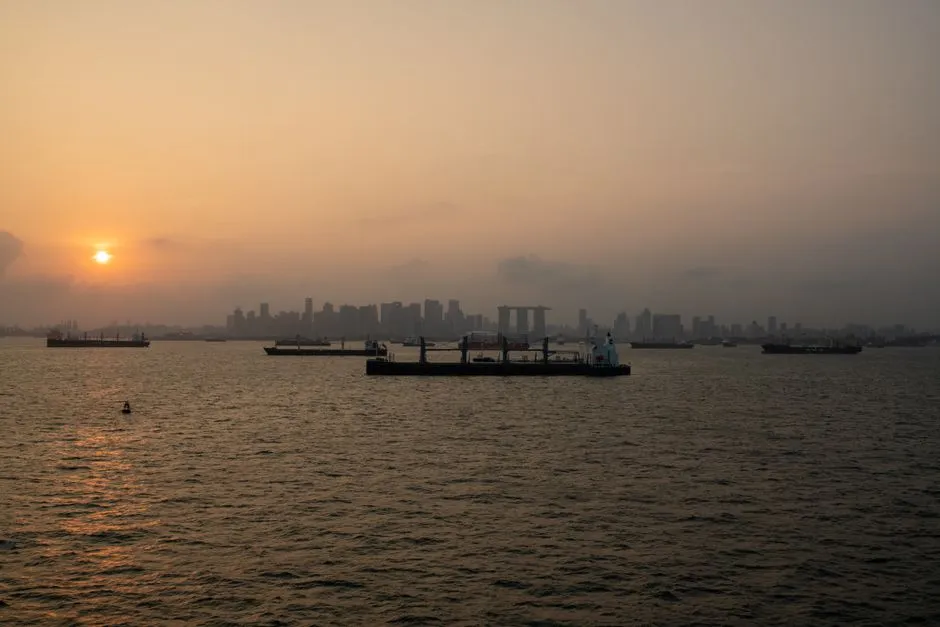
15 OCT 2026 — Fine-particle pollution in western Singapore hit its highest level since the 2015 haze crisis on Wednesday afternoon, and air quality has been in the "very unhealthy" range since Wednesday night. The government has started handing out free N95 masks to vulnerable residents and has opened air-conditioned haze shelters. It says it is keeping its legal options open against the companies responsible.
Across the Causeway, Malaysia has changed the rules for when schools close. The smoke is coming from fires in Indonesia, and the forecast offers little relief.
How bad the air is
At 3pm on 14 October the one-hour PM2.5 reading in the west reached 288 micrograms per cubic metre, the highest since 2015, CNA reported. The 24-hour Pollutant Standards Index (PSI) in the west crossed 200, into the very unhealthy band, at 9pm that night. By 11am on 15 October it stood at 211, the highest in Singapore this year, according to a report in The Straits Times, while the central, east, south and north regions were in the unhealthy range.
The National Environment Agency (NEA) said in its 14 October update that dense smoke from fires in Kalimantan was drifting towards Singapore on south-easterly winds, with more haze over Sumatra. It forecast the 24-hour PSI would stay in the unhealthy to very unhealthy range. Readings change hour by hour, so the figures here are snapshots.
Who should take care, and how
Haze affects people differently depending on their health, how bad the air is, and how long and how hard they are active outside, so NEA's advice is graded accordingly. While the forecast is unhealthy or worse, healthy people should skip long or strenuous exercise outdoors. Older people, pregnant women and children are told to keep their time outside to a minimum, and those with chronic lung or heart disease to avoid it altogether. Anyone who feels unwell, particularly an older person or a child, should see a doctor.
NEA says to check the one-hour PM2.5 reading for immediate decisions, such as whether to go for a run now, and the 24-hour PSI forecast to plan the next day. Our guide to why Singapore and Malaysia read the same air differently explains how the PSI, Malaysia's Air Pollutant Index and the US AQI relate.
Free N95 masks for vulnerable groups
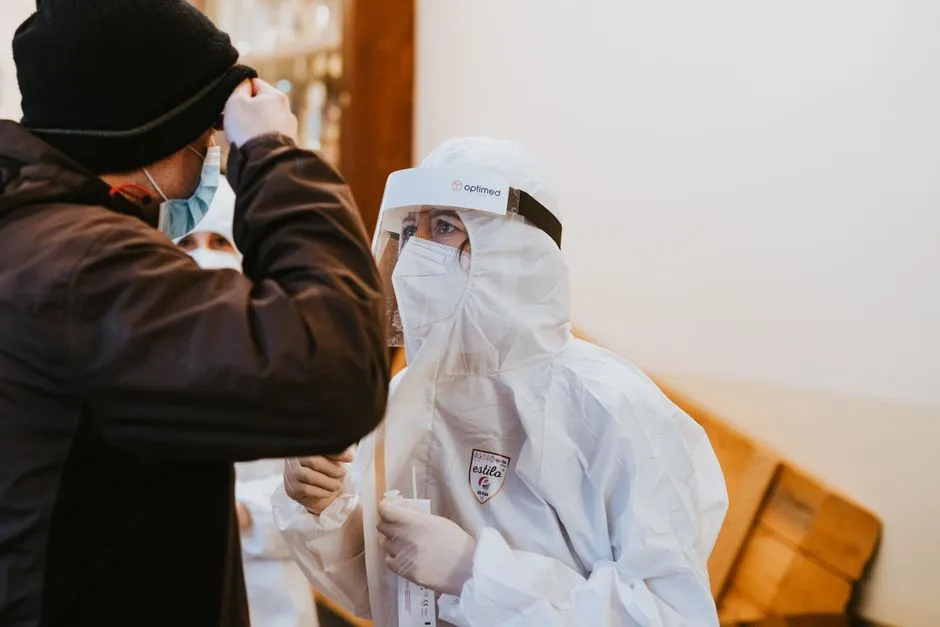
NEA said the government began a phased distribution of N95 masks on 14 October, two to a pack, after PM2.5 readings moved into the very high range. Eligibility comes in two groups. The first covers people already identified through existing support schemes: Pioneer and Merdeka Generation seniors, CHAS Blue and Orange cardholders, Medical Fee Exemption Card holders and ComCare recipients. They can collect with their NRIC at community clubs or from vending machines at selected transport hubs and social service offices. The second, which collects at community clubs only, covers pregnant women, children aged 7 to 16 and people with conditions such as asthma. A family member or friend may collect on their behalf.
Stocks are going out progressively. NEA asks people to check the HazeMaskGoWhere site before setting out. Some pharmacies have sold out, but NEA says retailers' warehouses and government stockpiles hold enough. NEA is specific about who actually needs a mask. N95 masks are generally not needed for short trips such as the commute. Vulnerable people may wear one if they must be outdoors for several hours when the forecast is very unhealthy, and healthy people when it is hazardous, above 300. Anyone with severe heart or lung problems who struggles to breathe should ask a doctor before using one.
Daily life slows down
Sport Singapore has closed outdoor and non-air-conditioned ActiveSG facilities in the west, including Jurong, Bukit Batok and Clementi. SAFRA Toa Payoh has suspended outdoor activities. CNA found a Boat Quay restaurant reporting a 60 per cent fall in business and a Clementi hawker down 10 to 20 per cent. Air-conditioned rooms at more than 300 community clubs and residents' centres are open as haze shelters.
In Malaysia, Education Minister Fadhlina Sidek said on 14 October that schools will now close where the Air Pollutant Index exceeds 200, CNA reported. Outdoor activities are suspended from 100. The previous rule closed schools above 180, or after three days above 150. Parents who are worried may keep children at home if they tell the school.
The question of who pays
Singapore's Transboundary Haze Pollution Act has been in force since 2014. It allows action against companies that cause or contribute to haze in Singapore even when the fires are overseas. Sustainability and Environment Minister Grace Fu said on 14 October that Singapore is keeping its options open while it collects and reviews data. "It's a very difficult year because of El Nino. The weather has been very dry," she said, adding that Singapore's offer to help Indonesia fight the fires still stands. Indonesia aims to put the fires out within a month.
Until then, the advice is the dull kind that works. Check the hourly reading before going out, cut back on strenuous activity outdoors, and look in on elderly neighbours and anyone with a heart or lung condition.

View author profile → · Editorial policy