16 OCT 2026 — Kenya has confirmed a second case of Ebola. The patient is a 39-year-old man and a close relative of the country's first patient, and he was already in quarantine when he fell ill. Health officials say that shows containment working rather than failing. "Both cases are linked, and there is no evidence of spread in the wider community," Kenya's health ministry said on 14 October, as reported by Reuters.
The harder question is how the first case got to Nairobi at all. He travelled from the Democratic Republic of the Congo through Uganda, across a border that has been closed since May.
The two cases
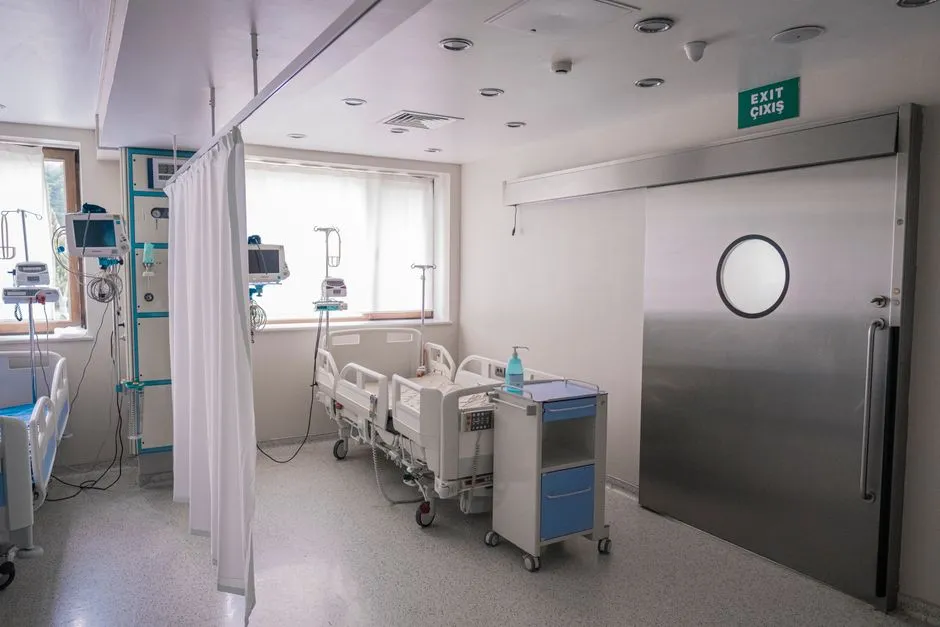
Kenya's first patient was a Kenyan man who had been living in Congo. He had been ill there for about a month before travelling by road to Uganda and flying to Nairobi on 3 October, where a relative drove him to hospital. He died on 5 October, Reuters reported.
The second patient was among the contacts placed in quarantine. He developed fever, fatigue and joint pain on 13 October and was isolated immediately. "This is the response working as designed," the ministry said.
Tracing the contacts
Reuters reported that authorities had located 113 of the first patient's 128 contacts, with 108 in quarantine and five outside Kenya, where local health authorities had been told. Fifteen were still being traced. The World Health Organization's representative in Kenya, Dr Neema Rusibamayila Kimambo, told UN News that officials had "cast the net very wide", following up airline passengers and crew, cleaners, baggage handlers, immigration officers, health staff and family. Six passengers with foreign phone numbers had been hard to reach.
Kimambo said travel restrictions and border closures were not needed, but stressed screening. "I think one is not to over panic and be very fearful because we do not have community spread," she said. WHO says it has supplied about US$70,000 in infection-control and laboratory items and helped train more than 4,000 health workers, including for screening at ports of entry.
The limits of screening
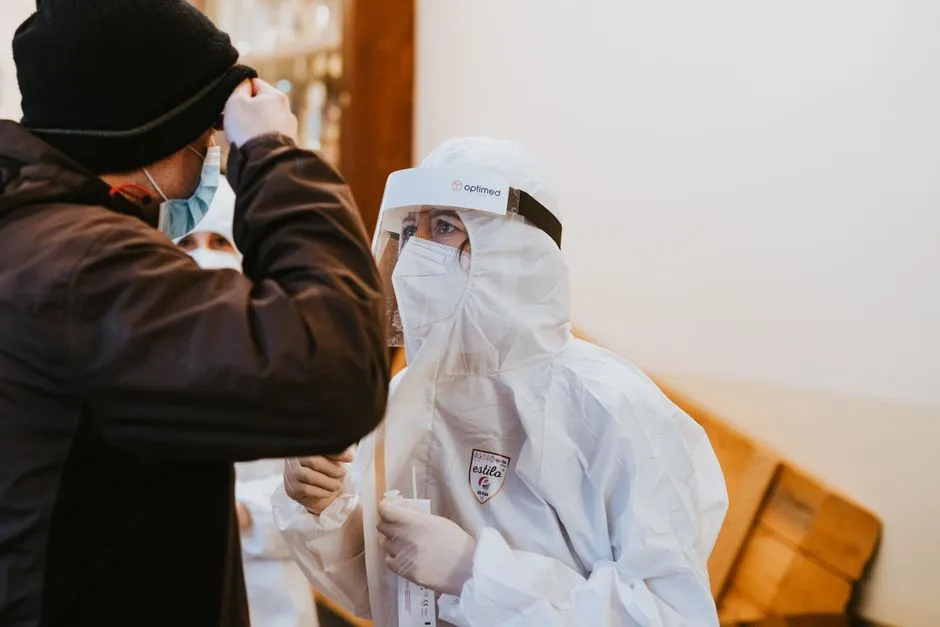
Kenya has opened a dedicated screening gate at Nairobi's main airport for travellers from Congo and other affected countries. Health experts told Reuters that temperature checks have a known weakness. Early symptoms are hard to spot, and paracetamol can bring a fever down enough to pass. The first patient's route, by road into Uganda and then by air, shows how a sick traveller can move through several checkpoints before anyone looks closely.
A strain without a vaccine
The strain raises the stakes. The outbreak is caused by Bundibugyo virus, for which there are no approved vaccines or treatments, unlike the Zaire strain behind the 2014 to 2016 West African epidemic, which now has a licensed vaccine. When RECATOOLS reported on the outbreak in September, it had passed 7,000 cases. Reuters now puts it at more than 9,000, the second-largest Ebola outbreak on record.
What comes next
Counting Congo itself, Kenya is the fourth country to record a case linked to the outbreak. Uganda had 20 cases and was declared free of Ebola in August, and a doctor who returned to France from Congo in June tested positive without passing it on. Ebola spreads through contact with the bodily fluids of an infected person, living or dead, so the coming weeks of monitoring for the second patient's contacts, including health workers at the quarantine centre, will show whether the chain has stopped. The WHO fact sheet sets out the symptoms and how the disease spreads.

View author profile → · Editorial policy