17 OCT 2026 — Almost a third of the electricity capacity waiting to be connected to the Dutch grid is now claimed by data centres, according to the country's grid operators. The requests add up to about 15 gigawatts, roughly the connection capacity of 15 million households in a country that has 8.5 million. The operators' association, Netbeheer Nederland, is urging the government to decide where data centres can go and how many the country wants.
The figures were given to the Dutch current affairs programme Nieuwsuur and published on 15 October.
What the operators want
"We live in a time of scarcity: not everything can go everywhere," Joris de Groot of the grid operator Alliander told Nieuwsuur. "A wave of applications is coming at us. We want to know where we should and should not invest." If data centres will not meet conditions on energy, environmental impact, water use and reporting, he said, the government should be willing to refuse them permits.
There is no national siting policy for data centres in the Netherlands. The coalition agreement gives them a single line, promising to "stimulate" European autonomous data centres. In April almost the entire lower house asked the cabinet for concrete policy. In practice, municipalities can only check whether a data centre fits the local zoning plan, and the decision on a grid connection rests with the operators.
Why the number may overstate demand
The industry says 15 gigawatts is not a forecast of what will be built. "Whoever applies for a connection now waits about ten years. So you apply early and generously, otherwise you end up at the back," Stijn Grove, director of the Dutch Data Center Association, told Nieuwsuur. A queue position is a right to capacity, not a commitment to use it, so speculative requests can inflate the total.
The requests cut both ways. Even if much of the 15 gigawatts never materialises, the queue still shapes where operators plan to invest, because applicants choose the location. De Groot said the operators tune their grid expansion to where requests are made, and their estimate of the cost of that expansion now exceeds €200 billion to 2040, which households will help pay for through higher energy bills.
A congested grid
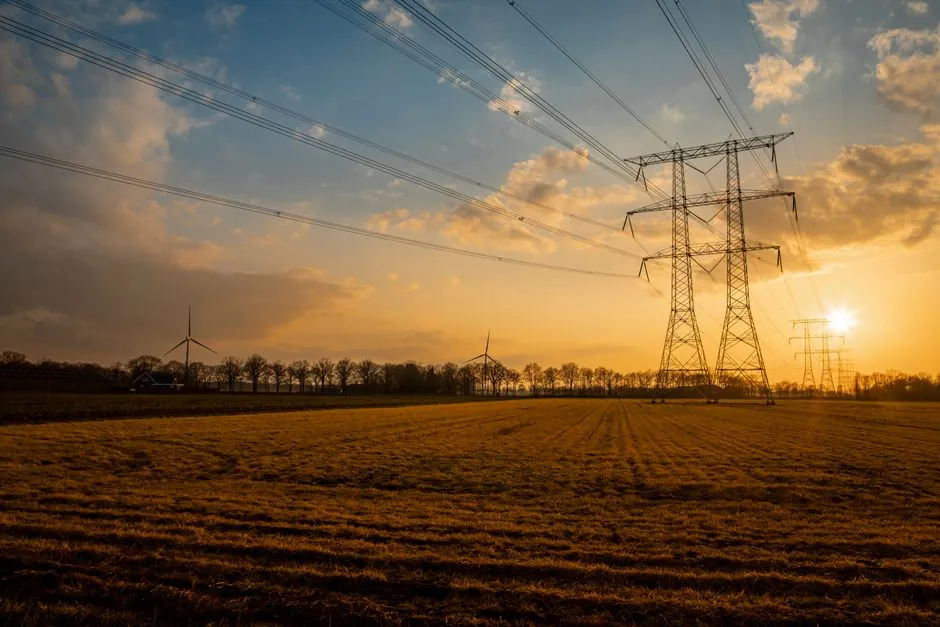
Much of the Dutch grid is already full. Netbeheer Nederland's first-half 2026 figures show almost 15,500 businesses and organisations waiting to draw power, up by about 300, NOS reported on 5 October, though growth is slowing and some regions have seen the first falls. Parts of Utrecht province have had a complete stop on new connections since 1 July.
Who gets connected first
Until last year, connections were first come, first served. Operators may now prioritise some uses, such as new housing, over data centres when capacity frees up. The country has nearly 200 large and 300 smaller data centres, with about 200 more expected, according to TPO and Nieuwsuur.
A pattern beyond Europe
Southeast Asian governments face the same arithmetic: approving data centres faster than they publish the power those centres will need. RECATOOLS reported this week that Malaysia fast-tracked 27 projects without disclosing their electricity demand, and Singapore has put its largest data centres under licence. The Dutch government says it is looking at how to "steer more firmly in the short term" on the scarcity of space and electricity, according to two state secretaries quoted by Nieuwsuur. It has not yet said how.

View author profile → · Editorial policy