2 OCT 2026 — Singapore's BDx Data Centers broke ground on a 640-megawatt AI data-centre campus in West Java on 22 September. A week later the province's governor, Dedi Mulyadi, ordered work to stop, because the project did not yet have its environmental impact assessment or its building approval.
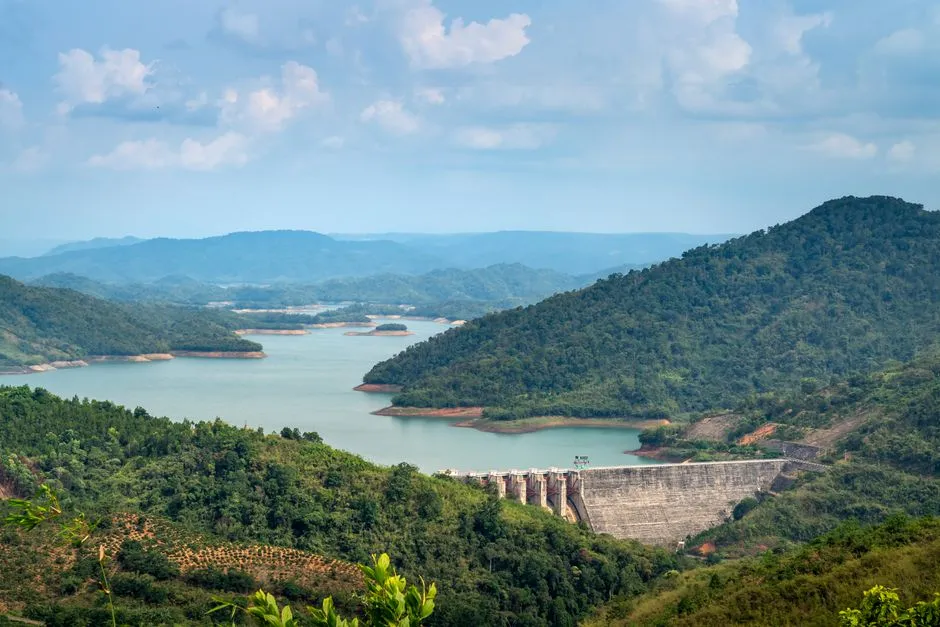
The site sits by the Jatiluhur reservoir in Purwakarta regency, the water source for farms across the area, and the governor wants the project's water use argued out in public before it goes ahead.
Why the work was stopped
The two missing permits are Indonesia's AMDAL environmental impact assessment and its PBG building approval. Both are issued by the Purwakarta regency government, and both were still being processed when construction began, the West Java communications office told IDN Times.
"The project is being halted not because it violates environmental rules. It's being halted because the permits have not yet been issued," Dedi said in a video posted on 29 September, as reported by The Straits Times. He told BDx representatives in a meeting posted on Instagram the next day that work had to stop until the permits were obtained.
The water question
Company representatives told Dedi that water use in a later phase of development could reach about 384 litres a second, or about 33,000 cubic metres a day, IDN Times reports. The governor asked the project's environmental consultant to open its study to the public, especially on noise and on water drawn from the reservoir, and said the data centre must not interfere with water for farmers, according to Media Indonesia.
At a meeting, BDx, the reservoir operator Jasa Tirta and Purwakarta's water utility all said the data centre would not disrupt water supply to residents or agriculture, according to the West Java communications chief, Adi Komar. The environmental assessment that would test that assurance was still being processed.
What BDx is building
TechNode Global reports that the campus, called CGK4, is planned as six buildings over a three-year construction period. BDx says it has secured 845 MVA of grid power from the state utility PLN. It runs its Indonesian business through a joint venture with the telecoms group Indosat Ooredoo Hutchison and the IT company Lintasarta.
Support, with conditions
Neither the governor nor the province opposes the investment. Dedi said he supports projects in West Java that are environmentally friendly, and Adi Komar asked Purwakarta not to slow the permits, saying the province respects the private sector's decision to invest there.
The order pauses the project rather than cancelling it. Work can resume once the regency issues the assessment and the building approval, though Dedi has asked for the consultant and its expert panel to be named publicly and to answer concerns about water, noise and wastewater in open debate.
A regional pattern
Opposition to data centres has appeared elsewhere in Southeast Asia, including Malaysia, the region's fastest-growing market, The Straits Times notes. The region's first data-centre protest, in Johor in February, was about dust and proximity rather than water. At Jatiluhur, the water question was raised before the first building went up.

View author profile → · Editorial policy