九地
Different ground demands different action. On desperate ground with no retreat, soldiers fight hardest — so a skilled general commits his force past the point of return, moves with speed, and welds the army into one body.
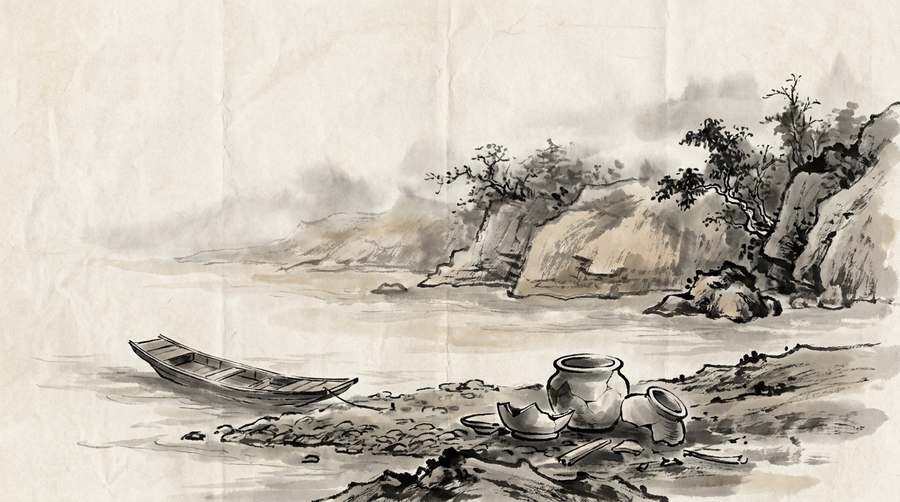
What this chapter says
The longest chapter classifies nine kinds of ground an army may find itself on — from dispersive ground (at home, where men easily scatter) to desperate ground (where survival requires an immediate fight) — and prescribes how to act on each. Its most famous teaching concerns desperate ground: when there is no way out, soldiers lose their fear and fight with total resolve, so a skilful commander deliberately places his troops in positions with no retreat, so they give everything — 'throw them into a spot from which there is no escape, and they will prefer death to flight.' Speed and surprise dominate: strike where the enemy is unready, by unexpected routes. And the army must be welded into a single will, like the legendary shuairan snake of Mount Chang — strike its head and the tail attacks, strike its tail and the head attacks, strike its middle and both respond. Mutual dependence makes the whole resilient.
Key lines
From 十一家注孫子, the Eleven Commentators edition. The Chinese is verbatim from that text; the English beneath each is ours.
- 曹操 必殊死戰,在亡地無敗者。孫臏曰︰「兵恐不投之死地也。」 They fight to the death; on ground of no return, none are beaten. Sun Bin said: 'The fear in war is not throwing them onto dead ground.'
- 李筌 兵居死地,必決命而鬬以求生。韓信水上軍,則其義也。 Troops placed on dead ground must stake their lives and fight to live. Han Xin's army with the river at its back is the sense of it.
- 梅堯臣 地雖曰亡,力戰不亡;地雖曰死,死戰不死。故亡者存之基,死者生之本也。 Though the ground be called ruin, fight hard and you are not ruined; though it be called death, fight to the death and you do not die. So ruin is the foundation of survival, and death the root of life.
- 何氏 如漢王遣將韓信擊趙,未至井陘口三十里,止舍,夜半傳發,選輕騎二千人,人持一赤幟,從間道萆山而觀趙軍,誡曰︰「趙見我走,必空壁逐我;汝疾入趙壁,拔趙幟,立漢幟。」令其裨將傳餐曰︰「今日破趙會食。」信乃使萬人先行,出,背水陳。趙軍遙見而大笑。平旦,信建將軍之旗鼓,行出井陘口。趙開壁擊之,大戰良久。於是信走水上軍。趙空壁逐信。信已入水上軍,軍皆殊死戰,不可敗。信所出奇兵二千騎,馳入趙壁,皆拔趙幟,立漢赤幟。趙軍攻信旣不得,還壁見漢幟,大驚,遂亂,遁走。於是漢兵夾擊,大破虜趙軍,斬陳餘泜水上,擒趙王。諸將因問信曰︰「《兵法》︰右背山陵,前左水澤。今者,將軍令臣等反背水陳,曰『破趙會食』,臣等不服,然竟以勝,此何術也?」信曰︰「此在《兵法》,顧諸君不察耳。《兵法》不曰︰『陷之死地而後生,置之亡地而後存』乎?且信非得素拊循士大夫也,此所謂驅市人而戰,其勢非置之死地,使人人自爲戰,今與之生地,皆走,寧尚可得而用之乎?」諸將皆服,曰︰「非所及也!」梁將陳慶之守渦陽城,與後魏軍相持,自春至冬,數十百戰,師老氣衰。魏之援兵復欲築壘於軍後,諸將恐腹背受敵,議退師。慶之曰︰「共來至此,涉歷一歲,糜費糧仗,其數極多,諸軍並無鬬心,皆謀退縮,豈是欲立功名,直聚爲鈔暴耳!吾聞置兵死地,乃可求生,須虜大合,然後與戰,必捷。」諸將壯其計,從之。魏人掎角作十三城,慶之銜枚夜出,陷其四壘。所餘九城,兵甲猶盛。乃陳其俘馘,鼓譟而攻,遂大奔潰,斬獲略盡。後魏末,齊神武興義兵於河北。時尒朱兆等四將,兵馬號二十萬,夾洹水而軍。時神武士馬不滿三萬,以衆寡不敵,遂於韓陵山爲圓陳,繫牛驢以塞道。於是將士皆死戰,四面奮擊,大破之。齊神武兵少,天光等兵十倍,圍而缺之,神武乃自塞其缺,士皆有必死之志,是以破敵也。高齊北豫州刺史司馬消難請降後周,周將楊忠與柱國達奚武援之。於是共率騎士五千人,各乘馬一匹,從間道馳入齊境五百里,前後遣三使報消難,而皆不反命。去豫州三十里,武疑有變,欲還。忠曰︰「有進死,無退生!」獨以千騎夜趣城下,四面峭絶,徒聞擊柝之聲。武親來,麾數百騎以西。忠勒餘騎不動,候門開而入,乃馳遣召武。時齊鎮城將伏敬遠勒甲士二千人據東陴,舉烽嚴警。武憚之,不欲保城,乃多取財帛,以消難及其屬先歸。忠以三千騎爲殿,到洛南,皆解鞍而卧,齊衆來追,至於洛北。忠謂將士曰︰「但飽食。今在死地,賊必不敢渡水以當吾鋒。」食畢,齊兵佯若渡水,忠馳將擊之。齊兵不敢逼,遂徐引而退。 The battle of Jingxing: Han Xin halted thirty li short, sent two thousand light horse with red banners by a side road to lie hidden, drew up with the river at his back to the derision of the Zhao army, and when Zhao emptied its walls to pursue, the hidden horse took the camp and changed the flags.summary, not a translation
- 張預 置之死亡之地,則人自爲戰,乃可存活也。項羽救趙,破釜焚廬,示以必死;諸侯從壁上觀,楚戰士無不一當十,遂虜秦將是也。 Set them on ground of death and ruin and every man fights for himself — and so they may live. Xiang Yu, relieving Zhao, smashed the cauldrons and burned the huts to show they must die; the other lords watched from their walls while not one soldier of Chu failed to match ten, and so the Qin general was taken.
- 曹操 孫子應難以覆陳兵情也。 Sun Tzu answers the objection by setting out the nature of war again.
- 李筌 不虞不戒,破敵之速。 Unlooked for and unguarded against — the speed that breaks an enemy.
- 杜牧 此統言兵之情狀,以乘敵間隙,由不虞之道,攻其不戒之處。此乃兵之深情,將之至事也。 This states the temper of war as a whole: take the gap the moment it opens, march by the road he does not expect, and strike the place he does not guard. This is the deep nature of war and the general's highest business.
- 陳皥 此言乘敵人有不及、不虞、不戒之便,則須速進,不可遲疑也。蓋孫子之旨,言用兵貴疾速也。 This means that where one has the advantage of the enemy's being unready, unsuspecting and unguarded, one must advance swiftly and not hesitate. Sun Tzu's purport is that the use of arms prizes speed.
- 梅堯臣 兵機貴速,當乘人之不備。乘人之不備者,行不虞之道,攻不戒之所也。 The moment in war prizes speed; one should take the enemy unprepared. To take him unprepared is to march by the road he does not expect and strike the place he does not guard.
- 王晳 兵上神速,奪愛尤當然也。 In war divine speed is highest; and in seizing what he holds dear it is more so still.
- 何氏 如蜀將孟達之降魏,魏朝以達領新城太守。達復連吳固蜀,潛圖中國。謀洩,司馬宣王秉政,恐達速發,以書紿達以安之。達得書,猶與不決。宣王乃潛軍進討。諸將皆言達與二賊交構,宜審察而後動。宣王曰︰「達無信義,此其相疑之時也;當及其未定,往討之。」乃倍道兼行,八日到其城下。吳、蜀各遣其將,向西城安橋、木闌塞以救達,宣王分諸將拒之。初,達與諸葛亮書曰︰「宛去洛八百里,去吾一千一百里,聞吾舉事,當表上天子,比相反覆,一月間也,則吾城已固,諸軍足辦。所在深險,司馬公必不自來;諸將來,吾無患矣。」及兵到,達又告亮曰︰「吾舉事八日,而兵至城下,何其神速也!」上庸城三面阻水,達於城下爲木栅以自固。宣王渡水,破其栅,直造城下,八道攻之。旬有六日,達甥鄧賢、將李輔等開門出降,遂斬達。李靖征蕭銑,集兵於夔州。銑以時屬秋潦,江水泛漲,三峽路陷,必謂靖不能進,遂休兵不設備。九月,靖乃率師而進。將下峽,諸將皆請停兵待水退,靖曰︰「兵貴神速,機不可失。今兵始集,銑尚未知。若乘水漲之勢,倐忽至城下,所謂疾雷不及淹耳,此兵家上策。縱彼知我,倉卒徵兵,無以應敵,此必成擒也。」遂降蕭銑。《衞公兵法》曰︰「兵用上神,戰貴其速,簡練士卒,申明號令,曉其目以麾幟,習其耳以鼓金,嚴賞罰以誡之,重芻豢以養之,浚溝壍以防之,指山川以導之,召才能以任之,述奇正以教之。如此,則雖敵人有雷電之疾,而我則有所待也。若兵無先備,則不應卒;卒不應,則失於機;失於機,則後於事;後於事,則不制勝而軍覆矣。」故《呂氏春秋》云︰「凡兵者,欲急捷,所以一決取勝,不可久而用之矣。」或曰︰兵之情雖主速,乘人之不及。然敵將多謀,戎卒輯睦,令行禁止,兵利甲堅,氣銳而嚴,力全而勁,豈可速而犯之邪?答曰︰若此,則當卷迹藏聲,蓄盈待竭,避其鋒勢,與其持久,安可犯之哉?廉頗之拒白起,守而不戰;宣王之抗武侯,抑而不進是也。 Illustrated with Sima Yi against Meng Da: he wrote to reassure Meng Da while secretly marching, overruled officers who wanted to wait, judged that a man of no faith should be struck while still undecided, and covered the distance by double stages to reach the walls in eight days.summary, not a translation
- 張預 復謂或人曰︰用兵之理,惟尚神速。所貴乎速者,乘人之倉卒,使不及爲備也。出兵於不虞之徑,以掩其不戒,故敵驚擾散亂,而前後不相及,衆寡不相待也。 He answers the objector again: in the logic of war, only divine speed is esteemed. What makes speed precious is that it catches men in haste, so they have no time to prepare. Send troops out by the unexpected road to cover his unguarded point, and the enemy is startled and scattered, front and rear out of reach of each other, many and few unable to support each other.
- 杜牧 言敵人初時謂我無所能爲,如處女之弱,我因急去攻之,險迅疾速,如兔之脫走,不可捍拒也。或曰︰我避敵走如脫兔。曰︰非也。 It means that at first the enemy thinks us capable of nothing, weak as a maiden; we then go at him hard, sheer and swift as a bolting hare, and he cannot fend us off. Some say it means we flee from the enemy like a bolting hare. That is wrong.
- 梅堯臣 始若處女,踐規矩之謂也;後若脫兔,應敵決戰之速也。 'At first like a maiden' means keeping to rule and measure; 'afterwards like a bolting hare' is the speed of meeting the enemy and forcing the decision.
- 王晳 處女,隨敵也;開戶,不虞也;脫兔,疾也。若田單守卽墨破燕軍是也。 The maiden is following the enemy; the opened door is his not expecting it; the bolting hare is speed. As when Tian Dan held Jimo and broke the Yan army.
- 張預 守則如處女之弱,令敵懈怠,是以啓隙;攻則猶脫兔之疾,乘敵倉卒,是以莫禦。太史公謂田單守卽墨攻騎刼,正如此語,不其然乎? In defence, be weak as a maiden so the enemy slackens and thereby opens a gap; in attack, be quick as a bolting hare so you catch him in haste and none can withstand you. The Grand Historian said Tian Dan held Jimo and attacked Qi Jie — is this not exactly that saying?
Applied today
Commitment with no easy fallback concentrates effort: a founder going all-in, a hard public deadline, burning the boats can unlock a team's full resolve — and moving fast against an unready market beats a cautious, telegraphed entry.
Forge a group into one interlocking body, where a threat to any part rallies the whole — like the shuairan snake. Mutual dependence, not siloed heroics, is what makes a team resilient under attack.