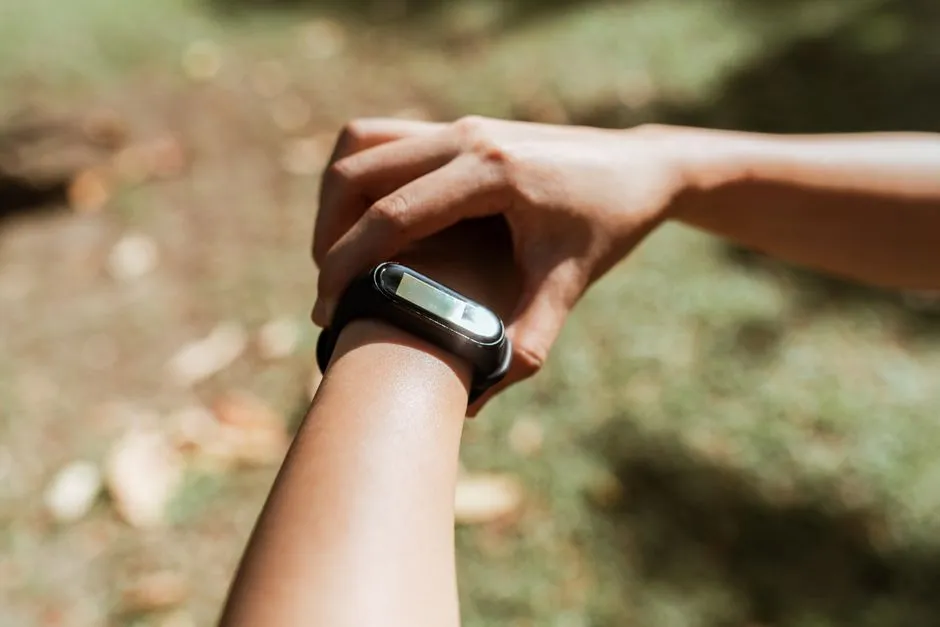
The fitness tracker on your wrist or finger is quietly being repositioned. Through 2025, and continuing into 2026 product cycles, the major wearable brands — Oura, Whoop, Garmin, Ultrahuman and Apple among them — have spent less energy on new sensors and more on turning their devices into "health platforms" — in several cases (Oura, Whoop, Garmin) built around paid memberships — around sleep, stress and recovery scores, with AI-generated guidance layered on top. The hardware still matters, but for several brands the business has moved to the software and the monthly fee. For anyone who owns one of these devices, or is thinking about buying, it is worth understanding what you are actually getting — and what you are not.
From tracker to platform
The trade-publication Athletech News describes the shift plainly: brands that used to sell you a gadget now sell you a system. Whoop has long run on a membership model; Garmin, historically a hardware company, has also moved toward paid software layers and deeper analytics around its hardware ecosystem; Oura's full experience sits behind an app membership. The pattern is similar across brands — take raw signals like heart rate, heart-rate variability and movement, and turn them into daily scores for readiness, strain, sleep quality and stress.
There is real value in that translation. A single recovery or readiness score is easier to act on than a wall of raw numbers, and for people who like structure, a nudge to take it easy after a poor night's sleep can genuinely help. But the move to "platform" also changes the relationship: you are no longer buying a finished object, you are renting an ongoing service, and the incentives shift toward keeping you subscribed.
What the scores can and can't tell you
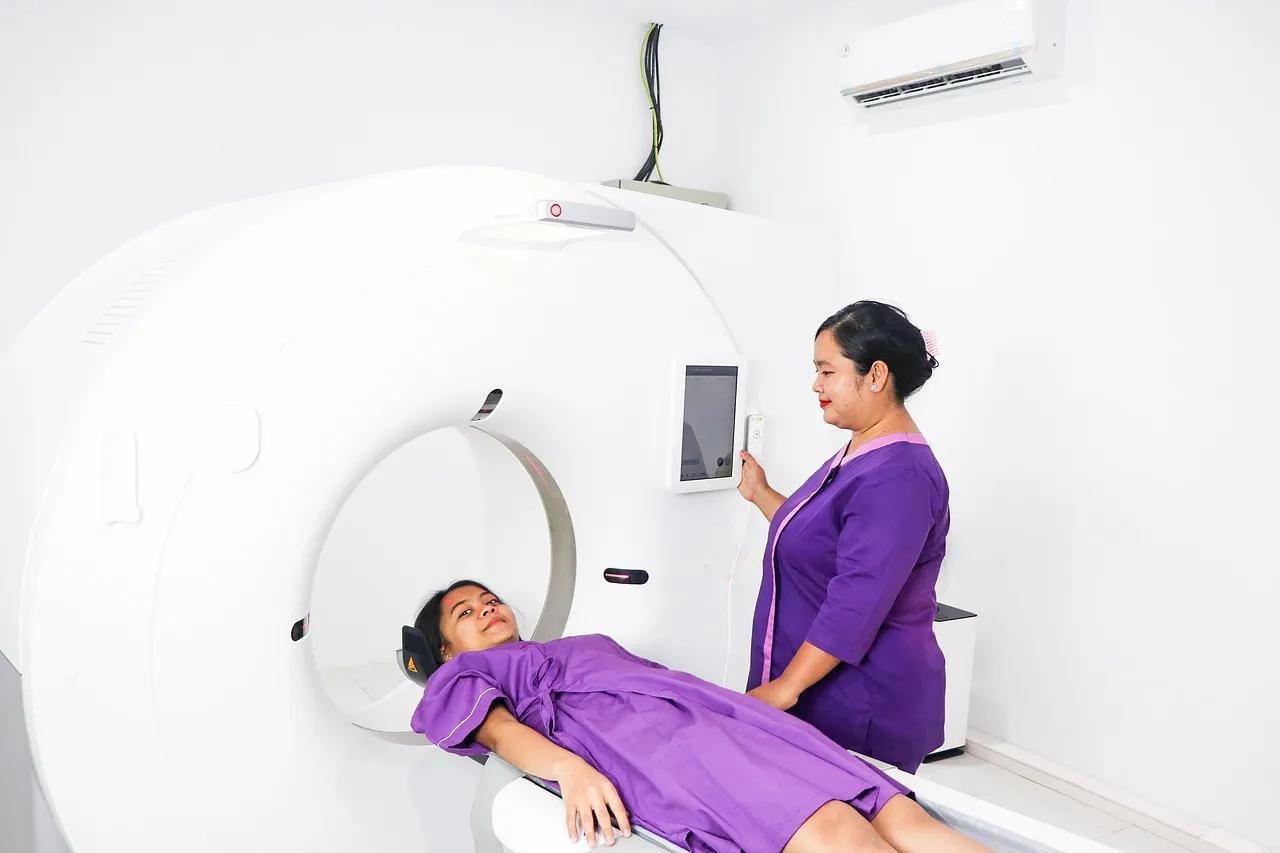
This is the part worth being clear-eyed about: a consumer wearable produces insight, not diagnosis. These are wellness tools, not medical devices, and the distinction matters more as the marketing leans harder on "health."
On some metrics, the devices are genuinely useful. Resting heart rate and long-term heart-rate trends tend to be more reliable, especially when the device is fitted properly and the user is not moving heavily; accuracy falls with motion, fit and placement. Sleep is murkier. Most consumer devices estimate sleep stages from movement and heart-rate signals rather than brain activity, and sleep-stage accuracy varies widely between devices and studies. The practical reading is to trust the broad direction — a run of poor sleep, a downward trend in recovery, a resting heart rate that is unusually high for you — more than any single night's precise stage breakdown.
Accuracy can also vary in ways that are easy to miss. Optical sensors work by shining light through the skin, and the evidence on whether skin tone affects accuracy is genuinely mixed: a systematic review by Koerber and colleagues found some studies reporting significantly lower heart-rate accuracy for darker skin tones, while others — including Bent et al. (2020) — found no significant difference. The practical summary is that this is a real and documented concern that is not fully resolved, alongside more mundane factors like how snugly the device is worn and where it sits. None of this makes wearables useless; it means the numbers are estimates with error bars, not lab readings.
The real cost is the subscription
For several of these devices, the sticker price is not the real number. Because the value now lives in the subscription, the cost plays out over years. A device with no required membership can end up substantially cheaper than a subscription-based rival once two or three years of fees are counted. That is not an argument against subscriptions — some people happily pay for the coaching and analytics — but it is a reason to do the multi-year maths before buying, not just compare the day-one price. It is also why a wave of newer entrants is marketing "subscription-free" as a selling point, betting that some buyers have subscription fatigue.
There is a data dimension too. A health platform is, by design, collecting a continuous stream of personal physiological data, and the more these services add AI coaching, lab integrations and cross-device syncing, the more data flows through them. Before switching on every feature, check what stays on the device, what goes to the cloud, whether the service lets you export or delete your data, and whether any partner, employer or insurer programme changes the privacy equation.
For buyers in Singapore and the region
These devices and their subscriptions are sold much the same way across Singapore and the wider region, so the same cautions apply: the recurring fee, not the upfront price, is the real cost, and the insights are wellness guidance rather than medical readings. If a wearable ever flags something that genuinely worries you — an unusual heart rhythm, persistent abnormal readings — the right move is not to self-diagnose from an app screen but to take it to a doctor, who can use proper diagnostic tools. The device's job is to prompt the question, not to answer it.
Key Takeaways
Major wearable brands (Oura, Whoop, Garmin, Ultrahuman, Apple) are turning their devices into "health platforms" built around sleep, stress and recovery scores plus AI guidance — in several cases (Oura, Whoop, Garmin) tied to paid memberships.
These are wellness tools, not medical devices: they produce insight, not diagnosis, and should be read as guidance.
Accuracy varies by metric — more reliable for resting heart rate and heart-rate trends, weaker and contested for sleep staging — and may vary by skin tone (evidence is mixed), motion, fit and how the device is worn.
The real cost is the subscription: over several years a subscription device can cost hundreds more than a subscription-free one, which is why some new entrants market "no subscription" as a feature.
A health platform continuously collects personal physiological data; review what each service does with it. For anything genuinely worrying about your health, see a professional rather than self-diagnosing from an app.
Correction, 18 October 2026: An earlier version described all the brands named, including Ultrahuman and Apple, as subscription platforms; paid memberships apply to several of them, not all. The description of the research on skin tone and heart-rate accuracy has also been made more precise.

View author profile → · Editorial policy