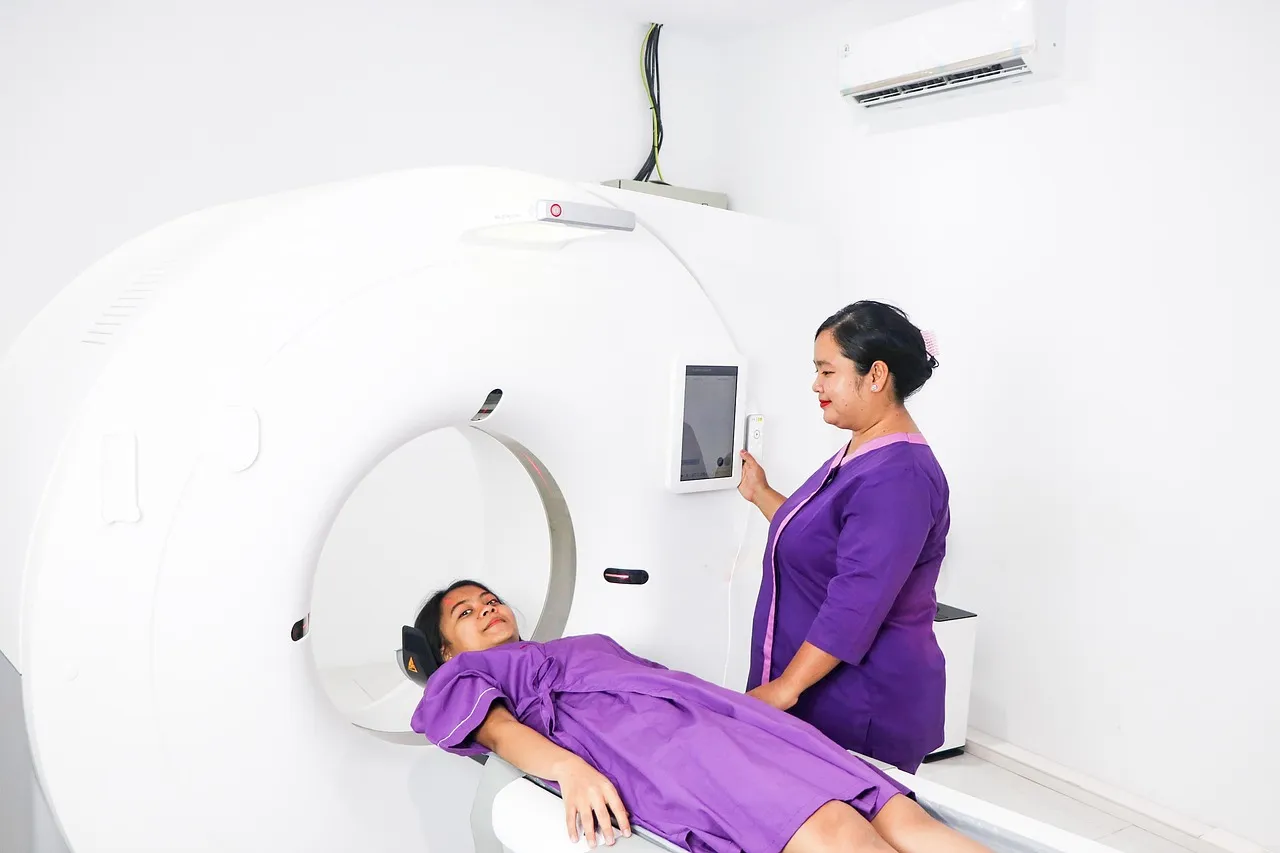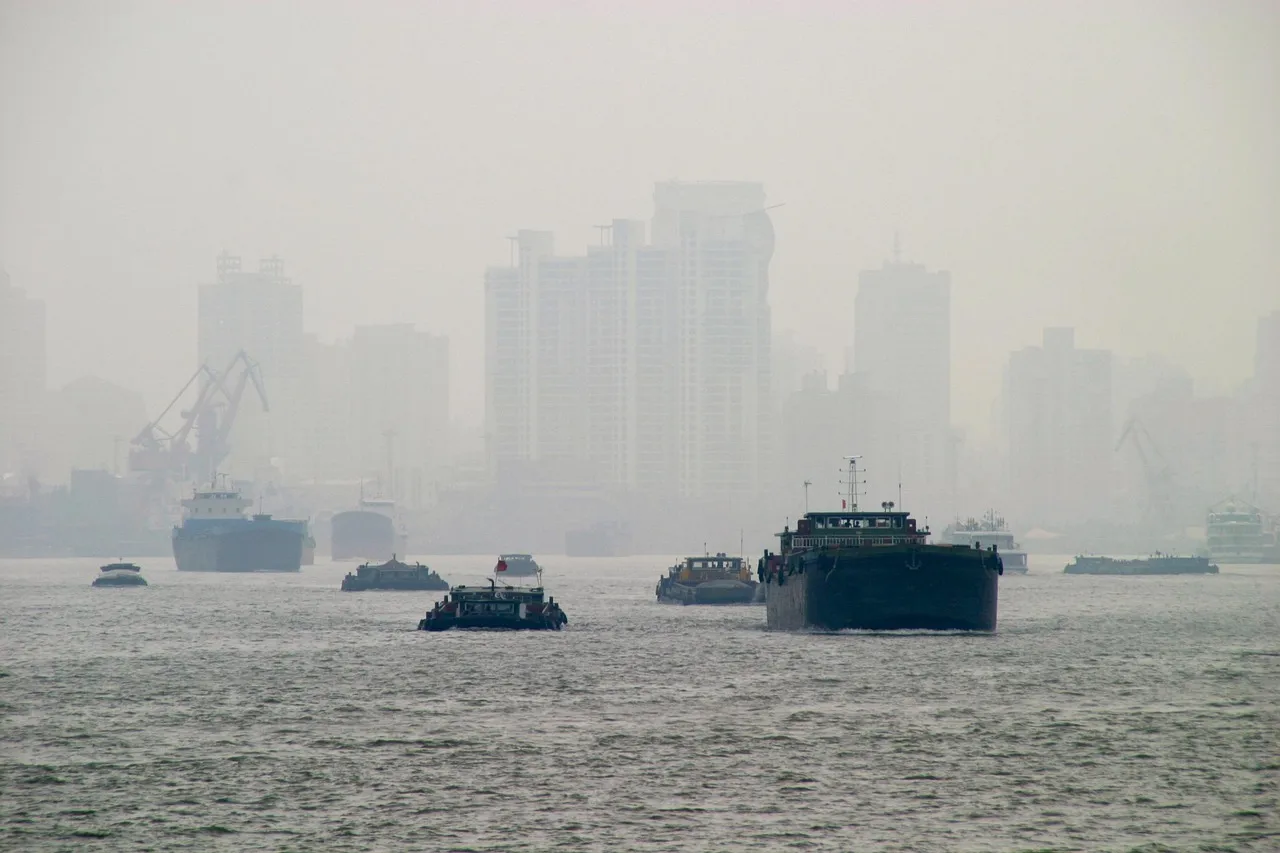
19 OCT 2026 — When fine-particle air pollution climbs, hospital admissions rise for up to 21 days, according to a study published online in The Lancet Planetary Health on 12 October. The study comes from a 32-author team that includes researchers at Monash University in Melbourne and draws on 346.5 million hospital records from six countries and territories. It found the pattern in every broad disease category it examined, with the strongest links in cancers and mental disorders, ahead of respiratory illness.
The study is observational. It shows that admissions climbed after polluted days, and its authors describe an association rather than proof that the particles caused each admission.
What the researchers measured
The team collected admission records from 949 communities in six countries and territories (Brazil, Chile, Canada, Australia, New Zealand and Taiwan) over the 20 years from 2000 to 2019. They compared each community's daily hospital admissions with daily levels of fine particulate matter (PM2.5) using time-series models. The local results were then combined in a meta-analysis and broken down by country, demographic group, income level and decade.
The first author is Pei Yu, of Jinan University in Guangzhou and Monash. The two senior authors listed last, Yuming Guo and Shanshan Li, are at the Climate, Air Quality Research Unit of Monash's School of Public Health and Preventive Medicine.
An 8% rise per 10 micrograms
Across all causes, each 10 micrograms per cubic metre rise in PM2.5 was associated with an 8% higher chance of hospital admission (relative risk 1.080, 95% confidence interval 1.074 to 1.086). The size of the effect varied substantially among the six places studied, the authors report.
The raised risk persisted for up to three weeks after exposure, according to the abstract.
Cancers and mental disorders top the list
Every disease category showed a raised risk, and cancers came out on top. Admissions for malignant neoplasms carried a relative risk of 1.108 per 10 μg/m³, with mental disorders close behind at 1.100. Other neoplasms, at 1.096, and diseases of the nervous system, at 1.085, followed. All four were above respiratory disease, which came in at 1.067.
The abstract does not say why cancer and psychiatric admissions should track pollution more closely than lung admissions do, and this report does not guess at a reason the authors have not given.
Risk fell between the two decades
The associations were weaker in 2010 to 2019 than in 2000 to 2009 for every category, though they remained statistically significant. The authors also estimated how many admissions could be attributed to pollution above 15 μg/m³, a level they describe as the WHO daily guideline.
On that measure, the share of admissions attributable to PM2.5 fell from 8.9% in the first decade to 3.9% in the second, and the cumulative attributable admission rate dropped from 11.6 to 3.5 per 1,000 people a year. The abstract reports the decline without assigning it a cause.
What the authors conclude
The authors write that short-term exposure "was associated with persistent increased risks of hospitalisation across diverse settings". Lowering exposure to PM2.5, they argue, is still an important way to prevent admissions.
The World Health Organization's own figures point the same way. Its fact sheet on outdoor air pollution puts the toll at 4.2 million early deaths around the world in 2019, and says 99% of the world's population lived in places that did not meet its guideline levels that year. The agency's current global air quality guidelines were published on 22 September 2021.
Limits of the evidence
The six countries and territories in the dataset do not include any in Southeast Asia, and the records stop in 2019, so the study says nothing directly about haze from land and forest fires in this region or about the years since. Its design links pollution and admissions in time; it cannot rule out every other factor that rises and falls with air quality.
The work was funded by the Australian Research Council and Australia's National Health and Medical Research Council. One author declared research grants from Sanofi, GSK, Pfizer and Boehringer Ingelheim, a consultancy for Sanofi and a speaker's fee from GSK, all for unrelated work. The other authors declared no competing interests. The paper was received in October 2025 and accepted on 11 August 2026.

View author profile → · Editorial policy