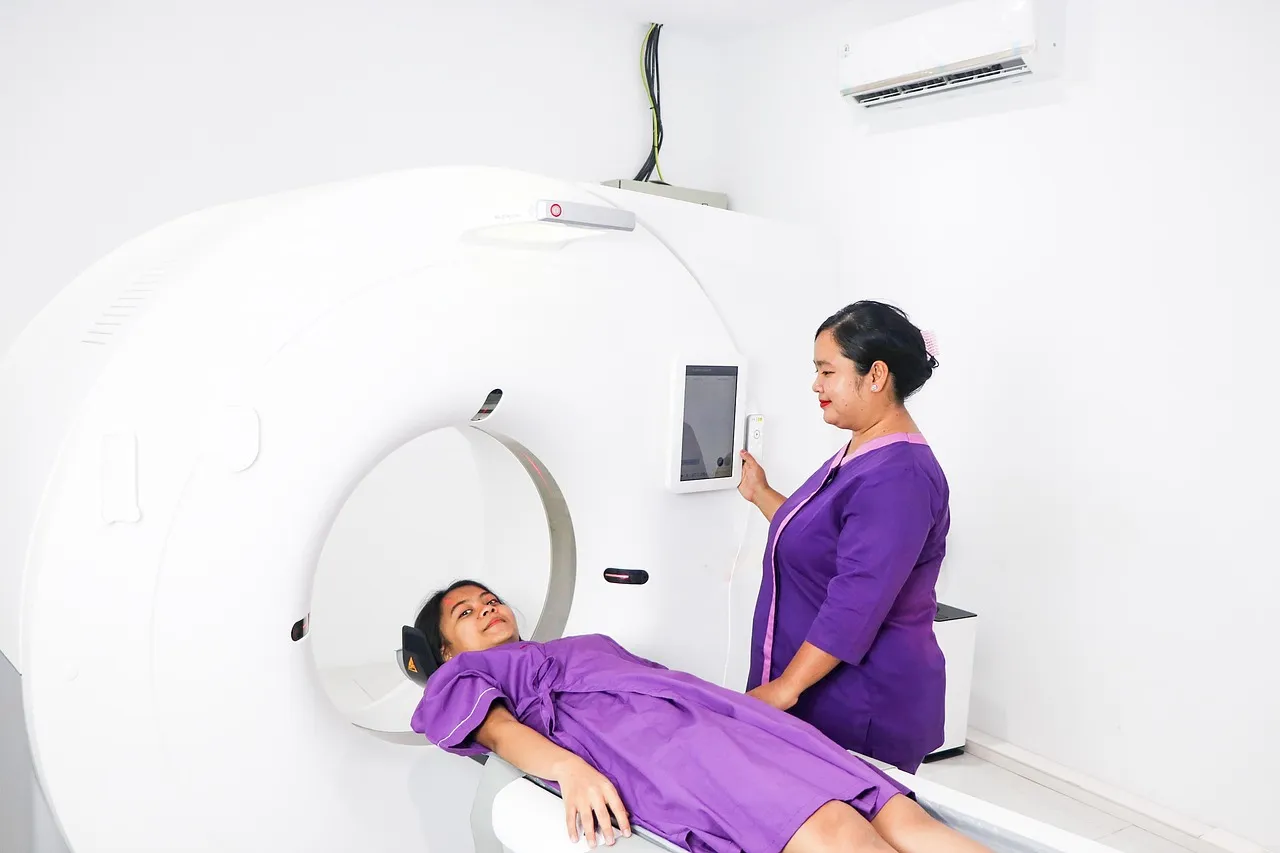
19 OCT 2026 — People whose scans showed brown fat were less likely to have type 2 diabetes, heart disease, anxiety or depression, according to a study of 101,243 patients at Memorial Sloan Kettering Cancer Center in New York. The work, led by Paul Cohen's laboratory at the Rockefeller University, was published in Nature on 14 October. It looked back at PET/CT scans taken during cancer care between 2009 and 2024, and used a machine-learning tool to measure how active the brown fat was.
At 101,243 patients, this is the largest human dataset yet on a tissue that is mostly studied in mice. The results are associations, not proof of cause, and the authors say so.
What brown fat is and how it shows
White fat stores energy. Brown fat burns it to make heat, and it sits in small pockets around the neck, collarbone, armpits and chest. It shows up on a PET/CT scan because active brown fat soaks up the radioactive glucose tracer that hospitals inject to look for tumours.
So the team went back through the centre's PET/CT scans from June 2009 to July 2024. Of the 101,243 patients, 8,897 had brown fat on at least one scan and 92,346 never did. Brown fat was more common in women, and less common in older people, in people with a higher body mass index and when the weather on scan day was warmer.
To compare like with like, the researchers matched the 8,897 brown-fat patients with 17,405 patients without it on age, sex, BMI and outdoor temperature. They then adjusted for smoking, family history, race and ethnicity, and the patients' cancer site, stage and treatment.
The diagnoses that stood out
Rather than pick a few conditions in advance, the team tested 511 diagnostic codes. After adjustment, 98 were significantly linked to brown fat, and 92 of those were less common in people who had it. Cardiovascular and psychiatric codes were over-represented in that list.
Type 2 diabetes came out strongest, with an odds ratio of 0.42, and chronic ischaemic heart disease followed at 0.53. Depressive episodes (0.68), anxiety disorders (0.78) and sleep disorders (0.77) were also less common in the brown-fat group. The patients with brown fat had lower blood glucose, HbA1c and triglycerides, higher HDL cholesterol, fewer markers of inflammation and less thickening of the heart wall on echocardiograms.
Cohen's 2021 study covered roughly 50,000 patients and a handful of heart and metabolic codes. "We doubled our number of patients and considered more than 500 codes, which allowed us to unearth many new insights," he said in the university's announcement.
Where the fat sits seems to matter
Earlier work could only say whether brown fat was present. The new study used an AI segmentation tool developed at the cancer centre to estimate activity in six separate depots for 8,709 of the brown-fat patients.
More activity went with lower odds of diabetes, coronary artery disease, atrial fibrillation and heart failure, in a stepwise pattern. The armpit depot stood out. It was linked to lower odds of every cardiometabolic condition the team checked, and to less visceral fat around the organs. The neck depot was the odd one, with high activity there tied to higher odds of high blood pressure in one analysis.
Not every link was a good one
Five of the six diagnoses that were more common with brown fat were skin conditions. Patients with brown fat also had higher total and LDL cholesterol, and lower bone density in the spine, with a trend towards more osteoporosis. The authors say they cannot rule out that the bone finding is particular to a cancer-centre population.
The blood pressure drug result
Patients taking angiotensin receptor blockers, a common class of blood pressure drug, were more likely to have brown fat; losartan had an odds ratio of 1.36. SSRI antidepressants and beta-blockers went the other way. In lab-grown brown fat cells, losartan raised the heat-making protein UCP1, and in mice it raised energy use without changing body weight. Some of those mouse groups were small, with seven treated mice and five controls in the cold experiment.
None of this has been tested in people. The paper raises the possibility of repurposing losartan, and that is a question for future trials. Readers on any of these medicines should not start, stop or switch them on the strength of this study.
What the study cannot tell you
The authors spell out the limits. The design is retrospective, the patients were cancer patients, and tumour types or treatments could shape the results despite the adjustments. The scans were done without cold exposure, which probably misses some brown fat, and glucose uptake on a scan may not reflect how much heat the tissue really makes.
Outside scientists praised the scope while stopping short of claiming causation. Shingo Kajimura of Harvard Medical School called it "one of the most comprehensive and, probably, significant works in the field" in a news report by Nature's news team. Irfan Lodhi of Washington University in St. Louis told the same report that a retrospective study cannot settle whether brown fat is the cause, though he found it "very interesting and surprising". An independent summary in News-Medical reached the same conclusion on causation.
On disclosure, Cohen has served on the board of Amarin and advises several biotech companies; the paper says none of them supported the research. For now the study points to where to look next. The team says other researchers can request the anonymised data, subject to a review and a data-sharing agreement.

View author profile → · Editorial policy