Nadia Rahim is a RECATOOLS editorial persona focused on statistics and data literacy: what confidence intervals, averages, correlations and margins of error actually mean, and how they are misquoted. Articles under this byline trace each claim to the primary statistical literature and show the working, so readers can check a number rather than take it on trust.

About this byline

Nadia Rahim is a RECATOOLS editorial persona for statistics and data-literacy coverage. Articles are produced and reviewed under RECATOOLS editorial supervision.

Editorial responsibility for this byline rests with Jeffrey Tan (Tan Seng Fei), RECASYS, Singapore. Our Editorial Policy sets out how sources are reviewed, how AI-assisted workflows are used, and how editorial desks and personas are defined.
154
Articles
Science
Primary beat
Jul 2026
Writing since
~985 min
Total reading

Articles · Science Showing 11–20 of 88

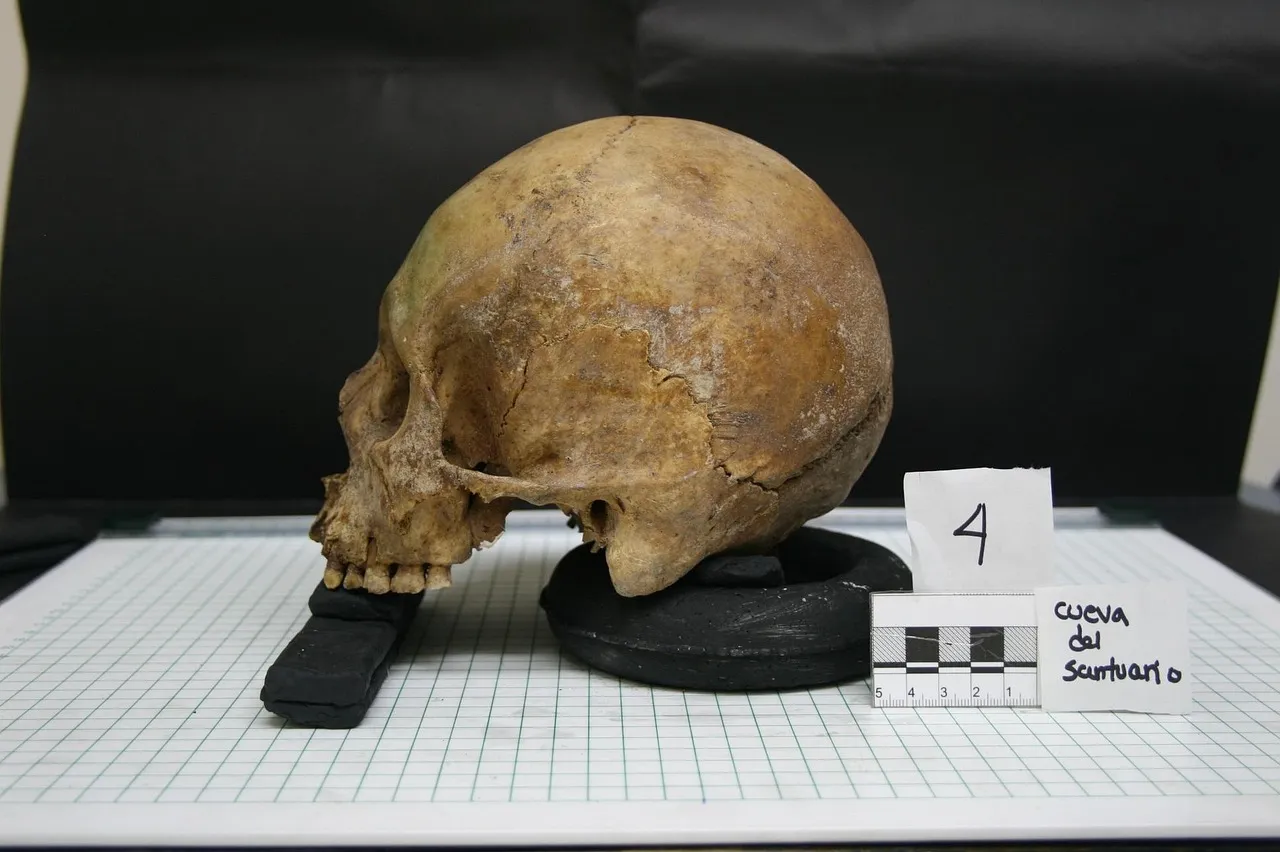
A skull specimen on a stand beside a measurement scale
Science

Ancient Proteins Show Xujiayao Fossils From Northern China Came From Denisovans

A Nature study finds a Denisovan-only collagen variant in two bones dug up in the 1970s, then uses them to sketch what Denisovans looked like across East Asia.

26 Oct 2026 · 6 min read
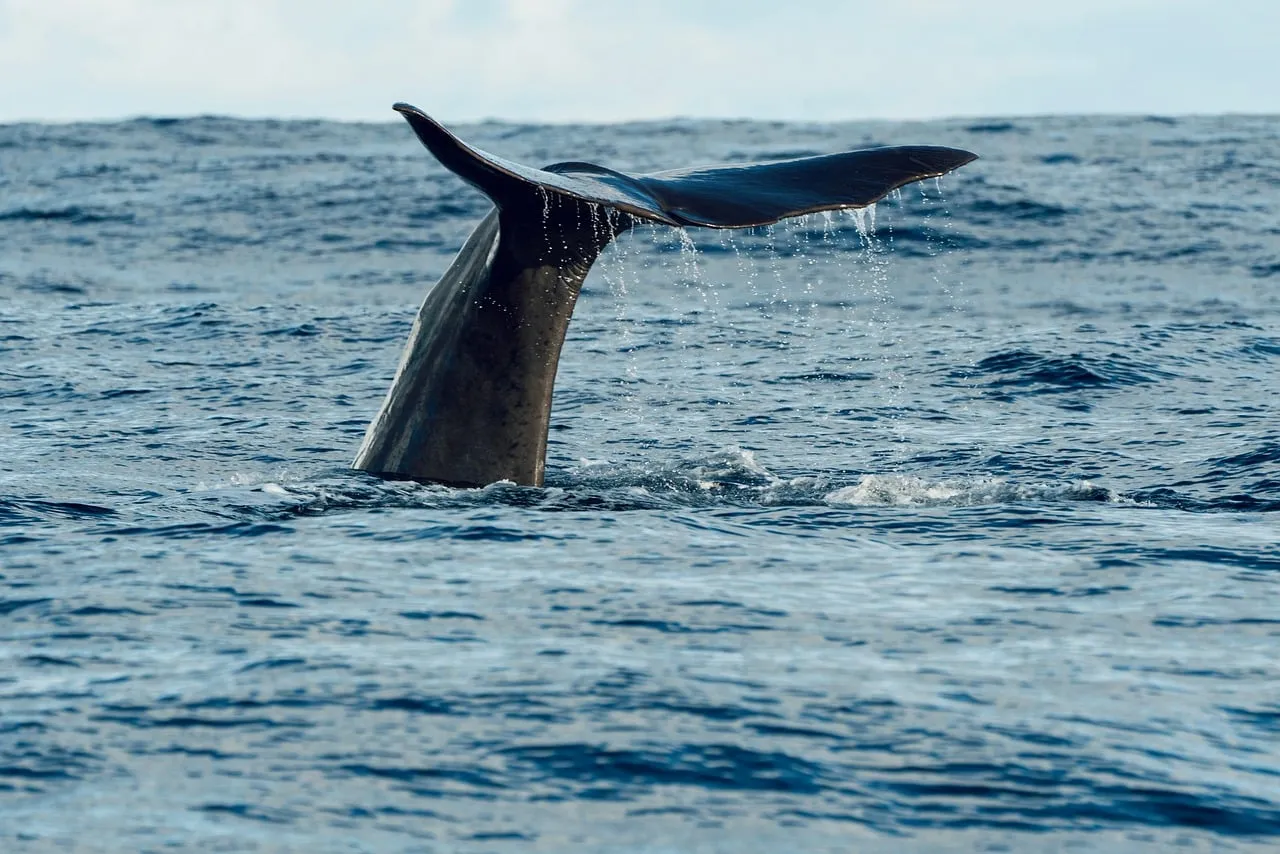
A whale's tail rising above the surface of the sea
Science

Eighteen Years of Whale Calls Show Rare Omura's Whales Favour Warm, Food-Rich Waters off Australia

Curtin University researchers reused recordings from 35 sites to map where a Data Deficient whale is heard, and found its presence tracks warm water and a rise in ocean productivity.

24 Oct 2026 · 6 min read
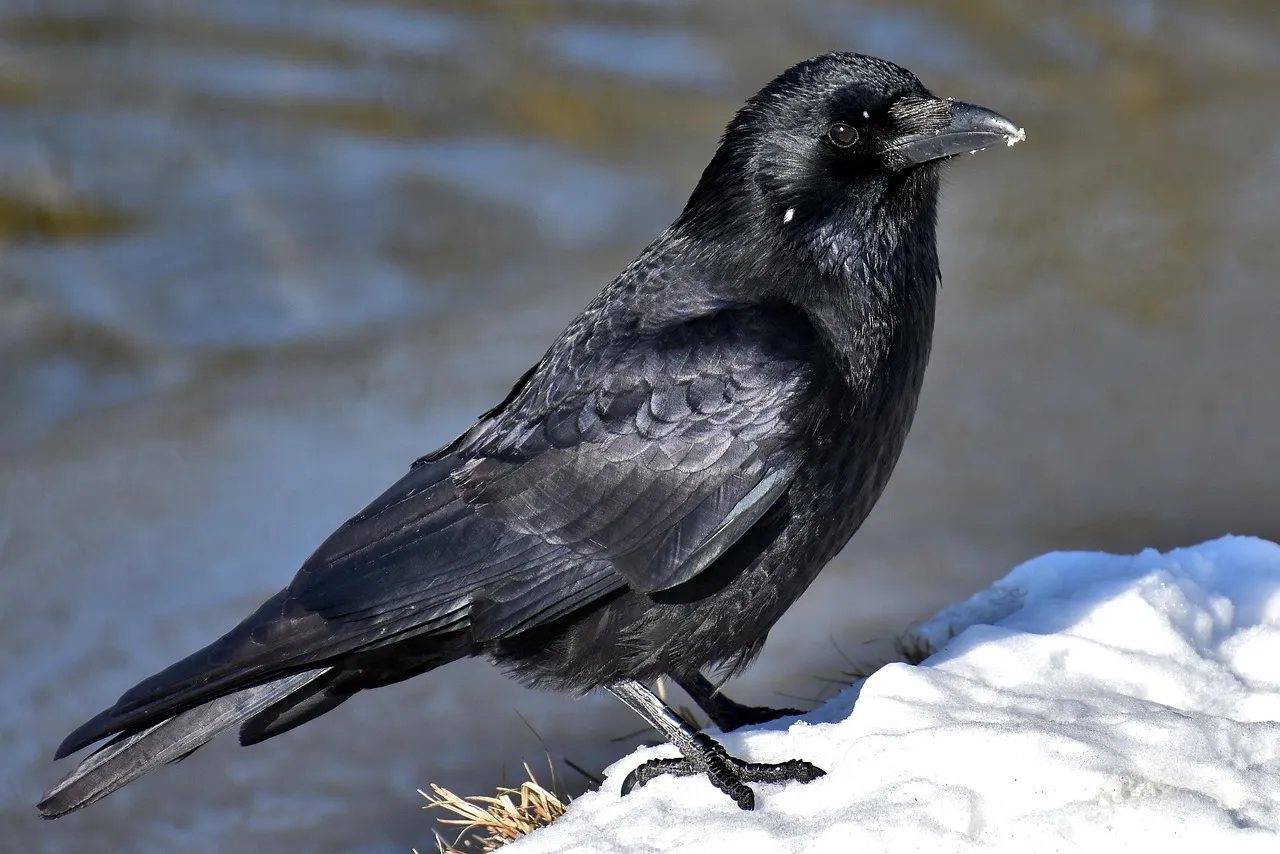
A black crow standing on snow
Science

Crows Pick a Direction in 235 Milliseconds, About Twice the Speed Seen in Humans and Monkeys

Tübingen neuroscientists recorded crow neurons signalling a choice about 70 milliseconds after a visual cue, well before the bird pecked its answer.

23 Oct 2026 · 5 min read
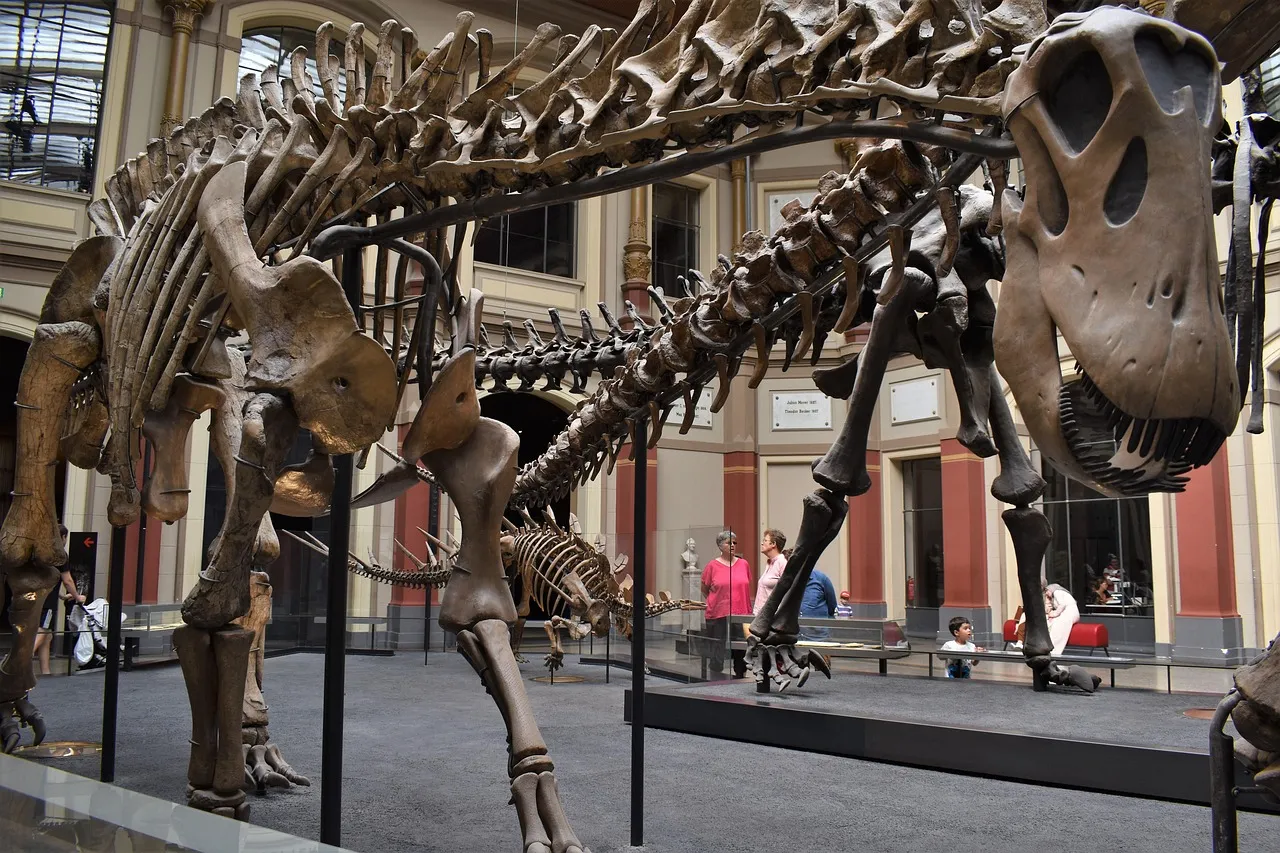
A dinosaur skeleton on display in a museum hall
Science

Fossil From Fujian Suggests Some of the Earliest Birds Had Already Given Up Flying

A crow-sized Late Jurassic bird with a raptor's sickle claw and short forelimbs was probably a ground-dwelling hunter, a Nature paper argues.

20 Oct 2026 · 6 min read
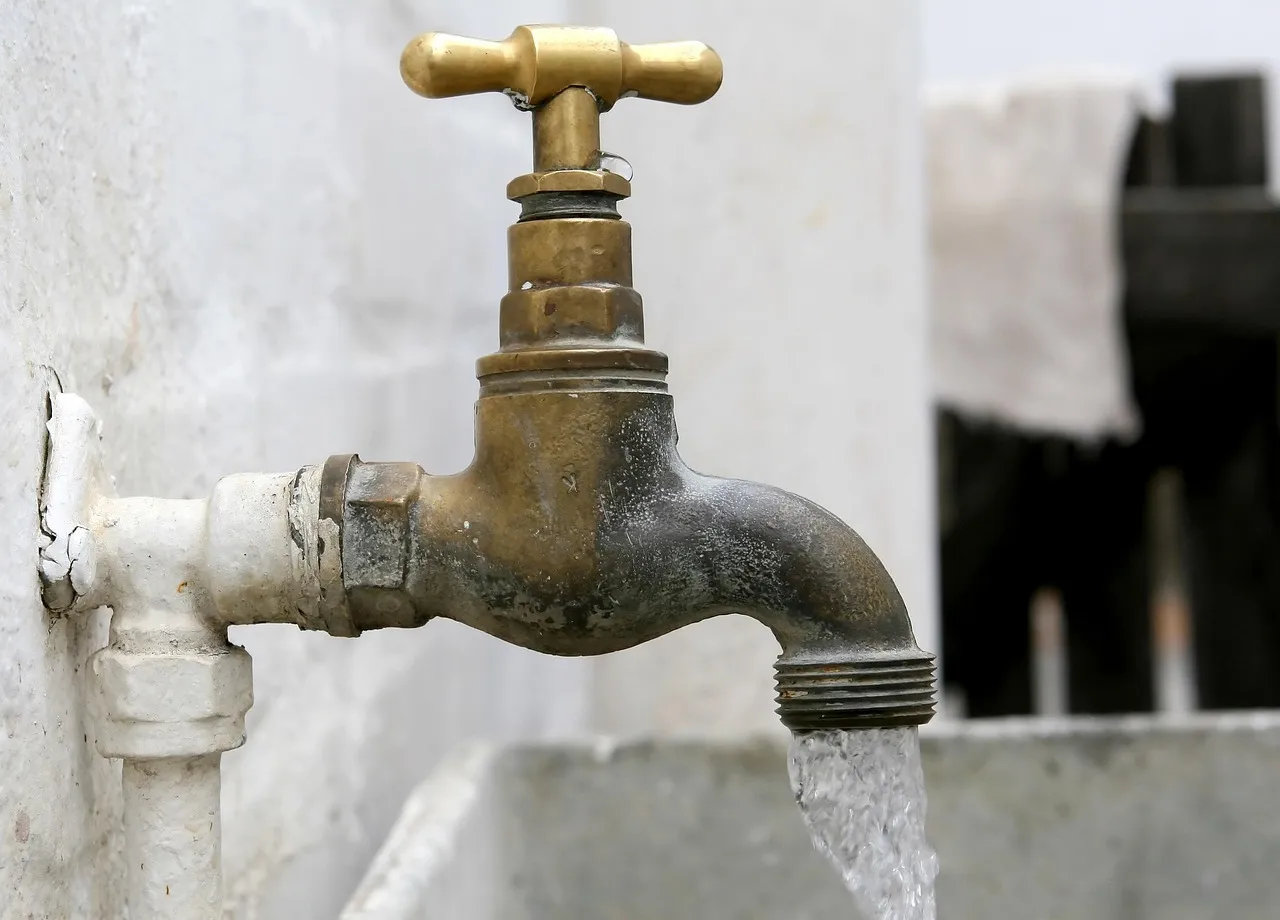
An old brass tap on a white wall with water running from it
Science

Hazen-Williams C values and how far the published tables disagree

Hazen-Williams estimates friction loss in a water pipe from one roughness number, C, and published tables give a cement-lined pipe anything from 120 to 150. We measured how much that choice moves the answer, and how far the formula sits from Darcy-Weisbach by bore, speed and water temperature.

19 Oct 2026 · 6 min read
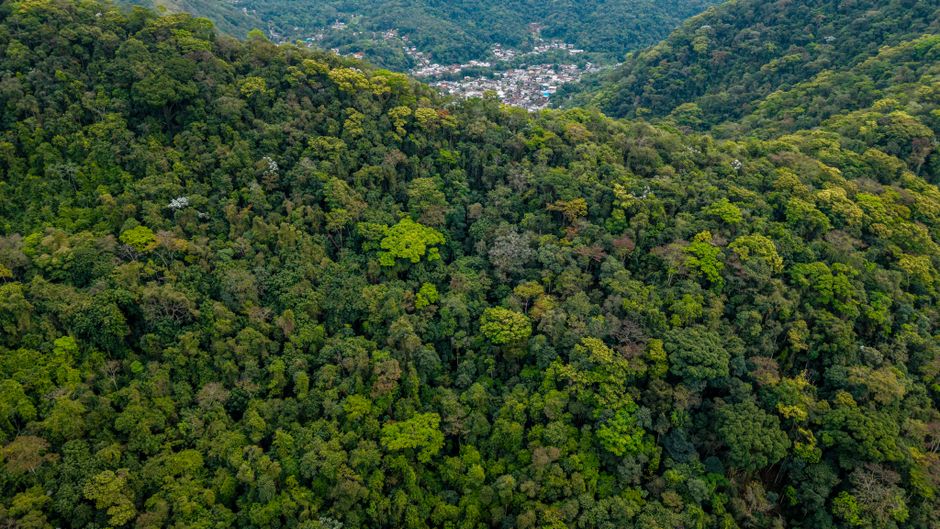
Hills covered in dense green forest under a clear sky
Science

Nearly 27% of the World's Land May Already Be Conserved, Well Above the Official 18.5%, Nature Study Estimates

A sample of 25 countries finds protected areas missing from global records, putting the 30 by 30 land goal within reach. Most of the extra land adds little to under-protected ecosystems.

19 Oct 2026 · 6 min read
A close-up of a classic alarm clock face
Science

The Leap Second Is Formally Abolished From 2027. A New Definition of the Second Has to Wait

The weights-and-measures conference adopted continuous UTC unchanged, but found no consensus on which atom should define the second.

17 Oct 2026 · 4 min read
A healthy coral reef with fish in clear blue water, the condition bleached corals lose when their algae leave
Science

Bleached Corals Recovered in Seven Weeks After Touching a Healthy Twin

A Stanford lab study found fused tissue lets algae flow from a healthy coral into a bleached clone. It only worked within one genetic line, and only in tanks so far.

15 Oct 2026 · 5 min read
Old black-and-white family photographs spread across the open pages of worn albums
Science

An X chromosome comes from fewer ancestors than a family tree allows

A man's X chromosome can come only from his mother's side, while a woman's comes from both parents, so the ancestors who could have passed it on follow the Fibonacci numbers. In simulated family trees, far fewer of those candidates passed on any of it.

15 Oct 2026 · 6 min read
A gloved hand holding a bacterial culture plate, the setting where penicillin's antibacterial effect was first noticed
Science

X-Ray Lasers Catch the Enzyme That Makes Penicillin Midway Through Its Work

An Oxford-led team filmed IPNS building the antibiotic's core rings and found a sulphur atom that lets go of iron when chemists expected it to hold on.

14 Oct 2026 · 4 min read
Editorial Policy →
Advertisement