10 SEP 2026 — Apple spent two hours at Apple Park on 9 September and came out with three phones, two watches and a pair of earbuds. The headline act is the iPhone Duo, the first folding iPhone, and the quiet star is a camera that finally has a real aperture.
Here is everything that was announced, what it costs, and when Singapore gets it.
iPhone 18 Pro and Pro Max
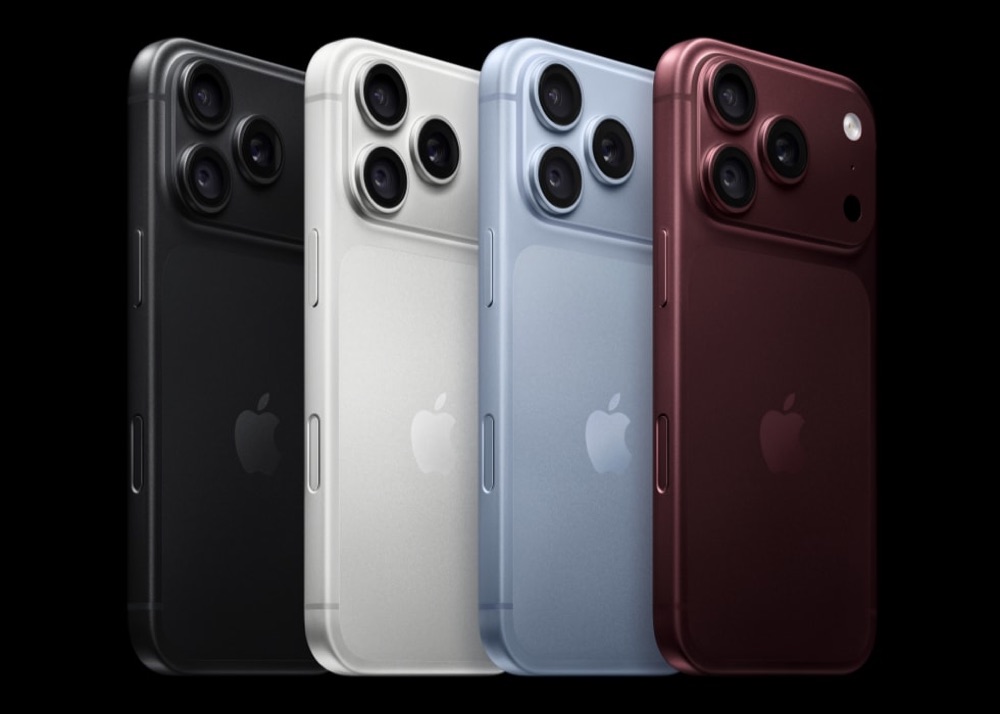
The Pro starts at 1,199 US dollars and the Pro Max at 1,299, in 256GB, 512GB, 1TB and 2TB. Four finishes: burgundy, glacier, silver and black.
The battery gains are the difference you will feel day to day. eSIM-only models are rated up to 36 hours of video playback on the Pro and 45 hours on the Pro Max, and Apple says five minutes on a cable gives the Pro Max around seven hours of video. Both charge to 50 per cent in roughly 15 minutes wired, or 30 minutes on a pad.
The Dynamic Island is both smaller and more useful, now able to hold three Live Activities at once. There is a new N1 wireless chip for Wi-Fi 7, Bluetooth 6 and Thread, and a C2 modem that Apple says uploads meaningfully faster than C1X while using 15 per cent less energy.
The camera finally has an aperture

This is the part worth getting excited about. The 48MP Fusion Main camera has six laser-cut blades on a rotor mechanism, and they physically open and close between ƒ/1.48 and ƒ/4.
Every iPhone before this had a fixed aperture and faked depth of field in software. Now the lens stops down physically. That means the back row of a group photo can actually be sharp rather than algorithmically rescued, and it can open right up to ƒ/1.48 when the light disappears.
You can drive it yourself. Four aperture settings are selectable by hand in the Camera app, alongside shutter speed, white balance and a live histogram under a new Pro controls panel — and Apple has published an API so third-party camera apps can move the blades too.
Worth remembering that Samsung shipped a two-position variable aperture back in 2018 and then quietly dropped it. A mechanism with moving parts living in a pocket has to survive years of dust and drops, and the last company to try this was not persuaded to continue. That is the thing to watch rather than the sample shots.
Apple Reference Image, which nobody is talking about
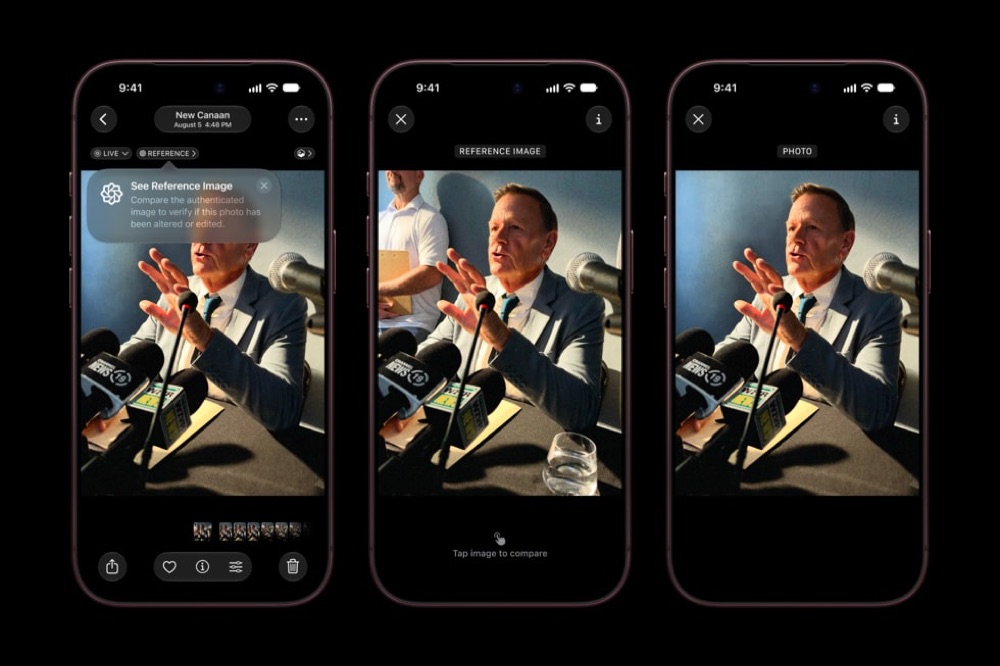
The new sensor can sign every pixel it sees. Shoot in Reference mode and the camera captures signed sensor data, Private Cloud Compute turns it into an unalterable reference image, and you can open it in Photos next to the finished picture and compare the two.
It is a digital negative for a phone, and Apple has put APIs in iOS, iPadOS and macOS 27 so other apps can display them. Alongside it comes support for the SynthID standard for flagging AI-generated or edited images.
For a photojournalist, or anyone who has ever been told a real photograph looks fake, that is a bigger deal than a fold. It also has limits nobody has tested yet: the reference proves what the sensor saw, not that the scene in front of it was real.
A20 Pro is a proper generational jump
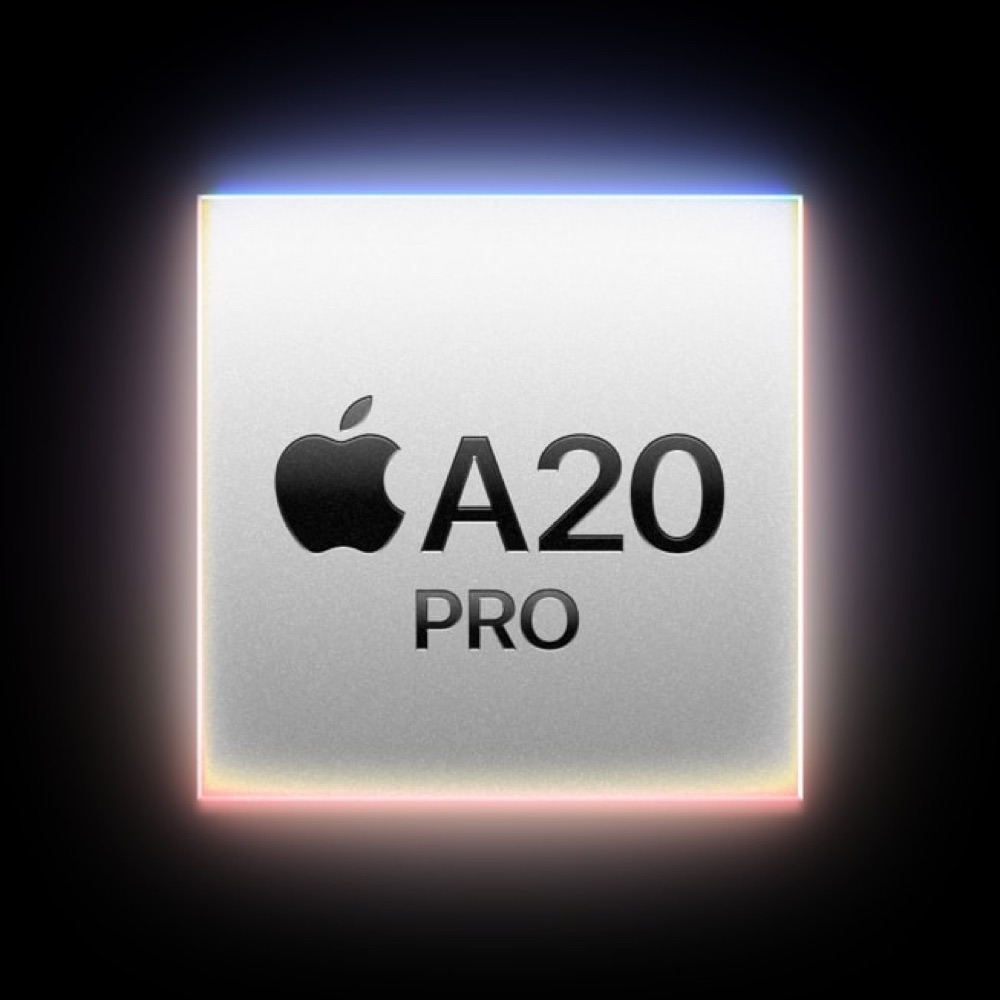
A20 Pro is built on a 2-nanometre process and has 50 per cent more memory bandwidth than A19 Pro. The new 6-core CPU has Neural Accelerators built into it, the 7-core GPU is up to 40 per cent faster, and the Dual 16-core Neural Engine brings the chip to 32 cores in total for double the AI processing of A19 Pro.
The packaging is the clever bit. Apple borrowed an idea from M-series silicon and put the die side by side with the memory instead of stacked, which lifts the memory out of the chip's thermal path and lets A20 Pro sit directly against a new vapor chamber.
That vapor chamber has three times the surface area of the one in iPhone 17 Pro, and Apple claims up to a 40 per cent gain in sustained performance. Peak numbers are easy. Holding them through a long game or a 4K export is the hard part, and this is the change aimed squarely at it.
iPhone Duo, the folding one
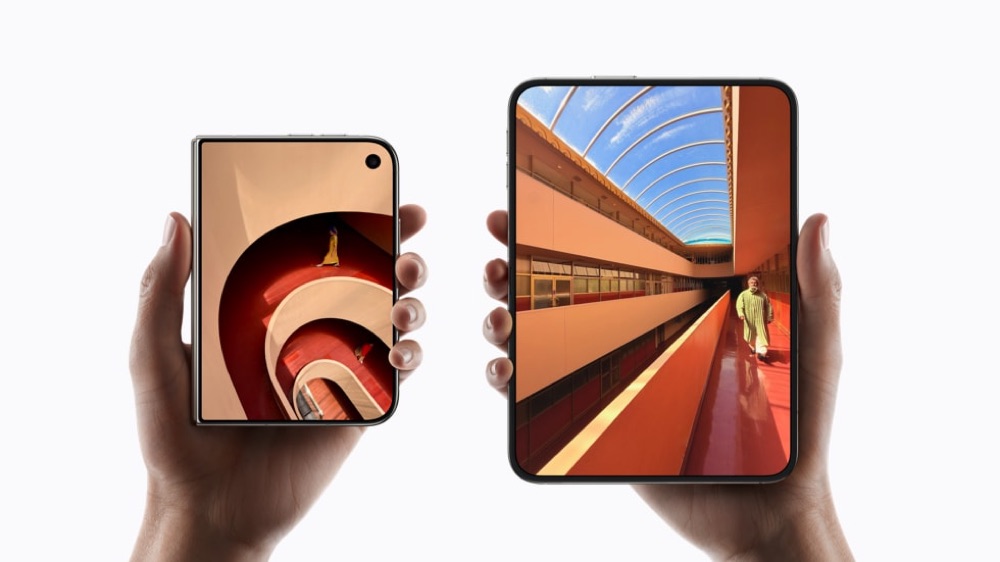
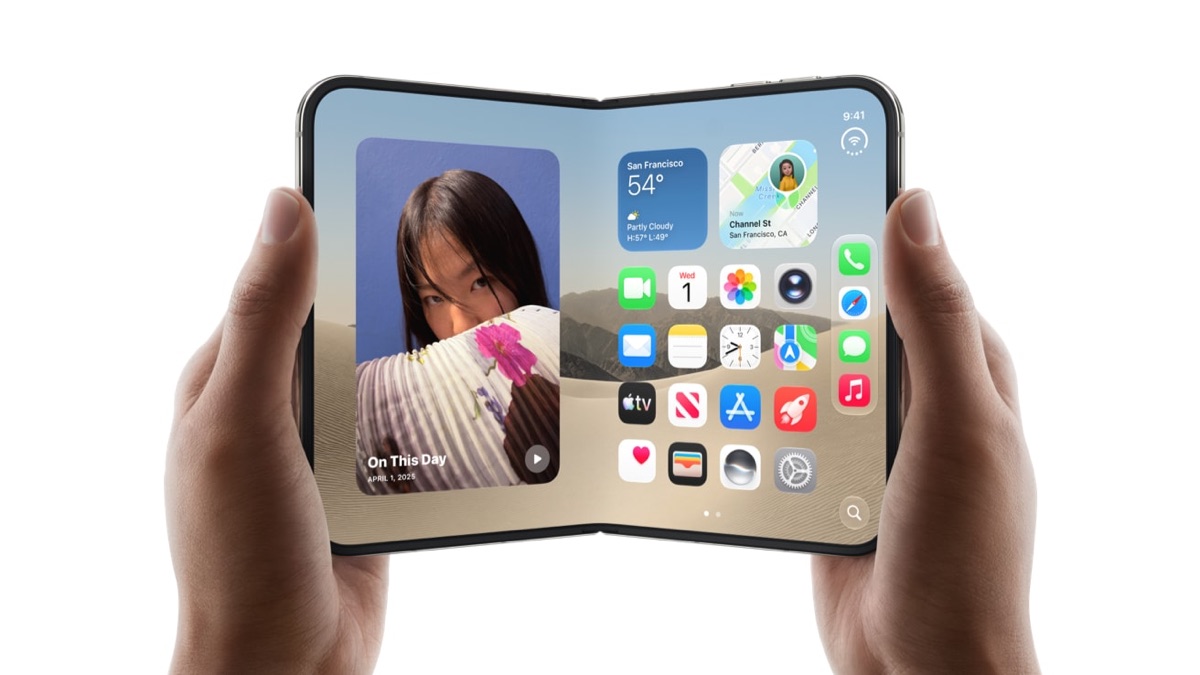
From 1,999 US dollars for 256GB, in star white and night sky, machined from grade 5 titanium and polished to a mirror finish.
Open it and you get a 7.6-inch Super Retina XDR display, 50 per cent larger than the Pro Max. Closed, the 5.4-inch outer screen carries 90 per cent of the screen area of an iPhone 18 Pro, which is the number that matters — a folding phone lives or dies on whether you can just use it shut. Both displays share an aspect ratio, so apps do not lurch when you open the thing.
Apple says it is the thinnest iPhone ever when open. The screen has a nano-texture finish to cut glare and soften the crease, plus ProMotion, Always On and 3,000 nits outdoors, and a FaceTime camera hidden under the inner display that only appears when it is needed.
The hinge has more than 100 components. On the outside, Ceramic Shield 2 is rated for three times the scratch resistance of the previous generation, the inner display gets a custom polymer cover layer up to 40 per cent stiffer than the industry norm, and there are custom adhesives that let the layers slide past each other like pages in a book. It is IP68. Touch ID moves to the side button, and Apple Pencil support over USB-C arrives later this year.
Camera is a 48MP Fusion Main with an integrated optical-quality 2x Telephoto, shooting 24MP by default.
Watches and AirPods
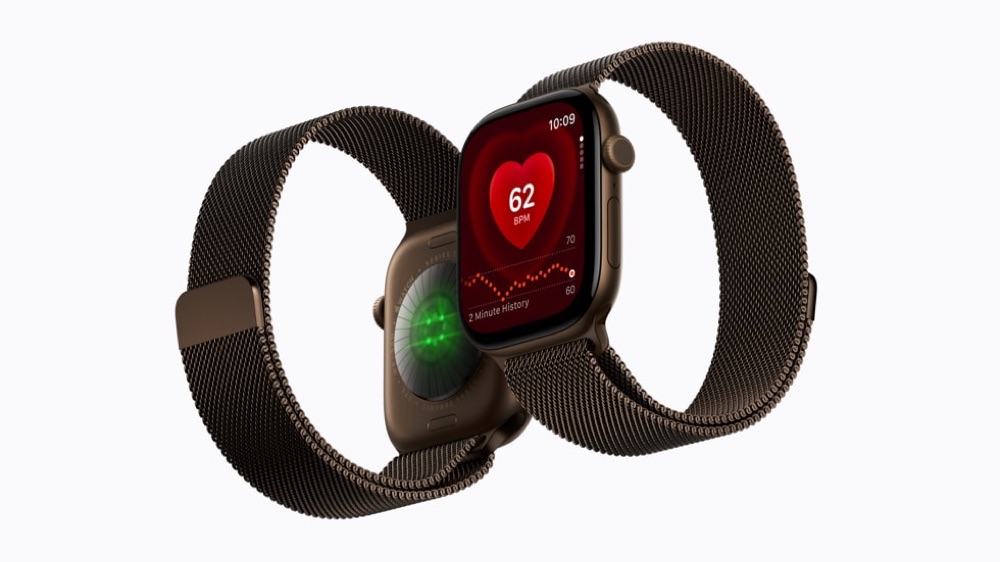
Apple Watch Series 12 starts at 399 US dollars and Ultra 4 at 799, both with a new Health Sensing System and the S11 chip. Apple claims the most accurate heart rate sensing in a wearable, with higher-frequency heart rate and HRV sampling feeding a new readiness score. Ultra 4 tracks outdoor workouts for up to 45 hours.
A redesigned Health app lands on iPhone later this year with a Longevity tab and a Health Age reading that shows how your metrics track against your actual age, which is either motivating or brutal depending on the week you have had.
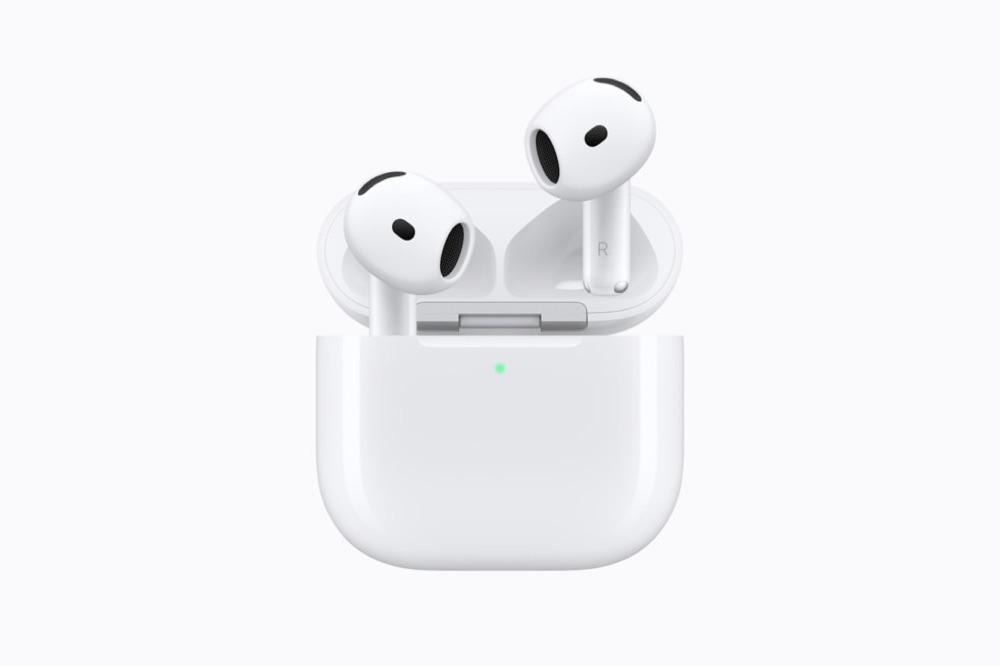
At 129 US dollars, or 149 with the wireless charging case, AirPods 5 are the surprise value of the day. Apple says the open-ear active noise cancellation removes up to 50 per cent more external noise than AirPods 4 with ANC, on a new multiport acoustic architecture with next-generation Adaptive EQ. You can answer Siri with head gestures.
When Singapore gets it
Singapore is in the first wave for everything, which is not always the case.
iPhone 18 Pro and Pro Max: pre-orders open Saturday 12 September at 5am Pacific, on sale Friday 18 September, in more than 65 countries including Singapore, Malaysia, Vietnam, India, Japan, China and South Korea.
iPhone Duo: pre-orders Friday 16 October, on sale Friday 23 October, in more than 70 countries including Singapore and Malaysia, with 28 more following on 30 October. It ships with iOS 27.1.
Apple Watch Series 12, Ultra 4 and AirPods 5: orders opened on announcement day, in stores Friday 18 September.
Local pricing was not in the press releases and sits on apple.com/sg. Convert the US figures and add GST for a rough idea, and remember the Duo's 1,999 dollars is the 256GB entry point rather than the model most people would end up buying.
One gap in the line-up
There is no standard iPhone 18. The cheapest new phone announced is 1,199 US dollars, and the models that would normally sit underneath — the 18, the 18e, possibly a second-generation Air — are reported for spring 2027 rather than confirmed.
In markets where the entry-level iPhone drives the volume, and Singapore's neighbours very much qualify, that leaves last year's phone as the affordable option right through the holiday season. If you were waiting for the ordinary iPhone 18, you are waiting until spring.
We wrote when the date was announced that everything beyond the date and the tagline was expectation, the folding phone included. The folding phone was real. It just is not called iPhone Fold or iPhone Ultra, the two names a year of coverage had settled on.

View author profile → · Editorial policy