15 SEP 2026 — Waymo began carrying public passengers in Las Vegas on 14 September, making it the company's fifteenth market. It is starting with dozens of vehicles, against a waitlist of more than 100,000 people.
A launch that small is how robotaxi services now open in a new city.
What launched
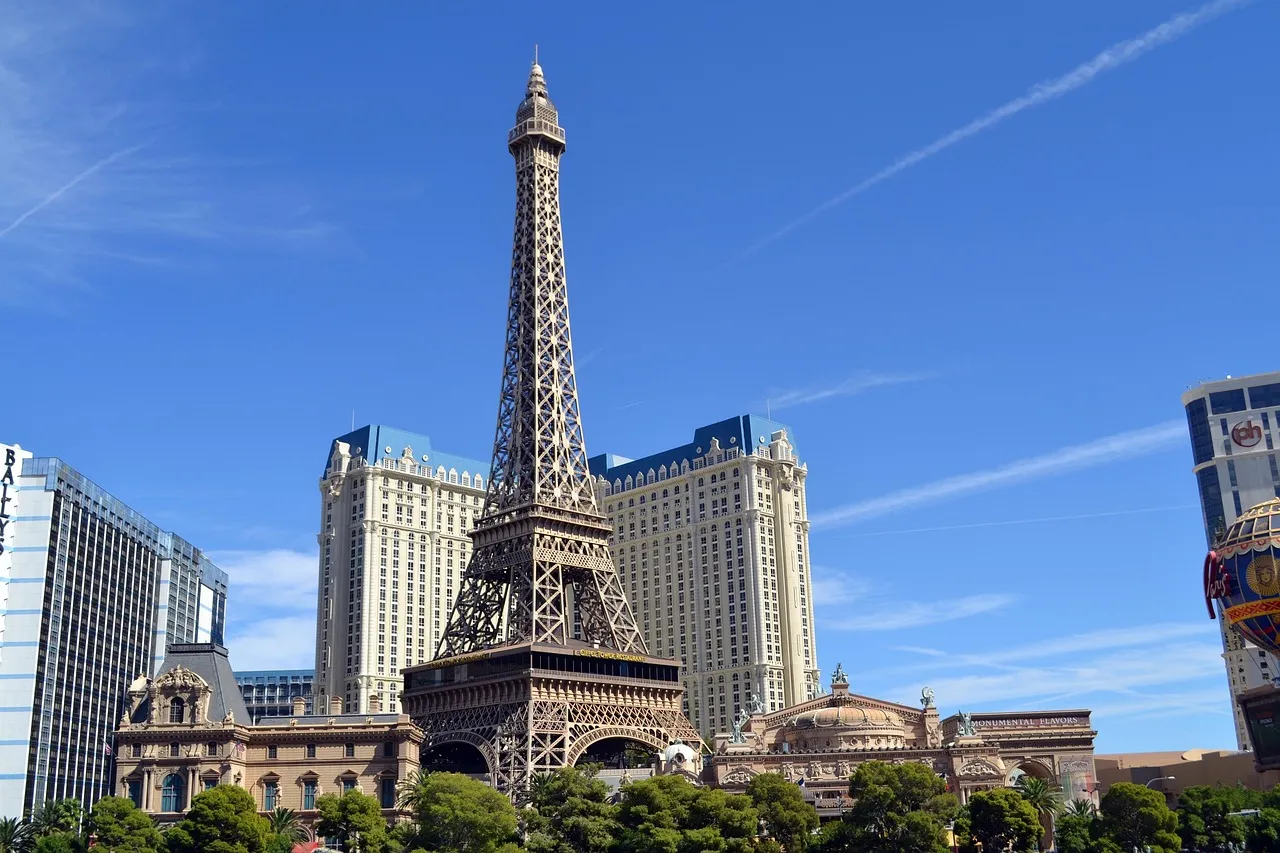
Waymo is running its Ojai minivan, the vehicle that now makes up most of its fleet in newer markets, and inviting riders from the waitlist on a rolling basis before opening to the general public. The service covers the Strip and Allegiant Stadium, according to TechCrunch and local broadcaster KSNV, along with nearby neighbourhoods that KSNV lists as the Chinatown corridor, the area around the University of Nevada and Spring Valley.
Across all fifteen markets, Waymo operates more than 4,000 robotaxis. Las Vegas follows launches in Denver, San Diego and Tampa earlier in September, and it is the third city where Ojai minivans make up most of the fleet, according to KSNV.
Rides start by invitation. Members of the public request one and get an access code, and TechCrunch reports that Waymo typically opens a new city to everyone within one to two months of its official launch. Waymo employees have been riding in Las Vegas since earlier this summer.
Fares have not been published, and neither report we read says whether the service reaches Harry Reid International Airport, which for a city of visitors is the trip that matters most. Anyone planning to use it on a visit should check the app for both before relying on it.
Waymo's head of marketing, Jackie Hyun, pitched the city on its own terms: "Cruising down Las Vegas Boulevard in a Waymo will make anyone feel like a high roller."
A permit for 1,000, a fleet of dozens
The Nevada Transportation Authority cleared Waymo last month to operate up to 1,000 autonomous vehicles in the Las Vegas area, and to charge fares. Tesla's approval covers up to 5,000 vehicles and Uber's up to 1,000, operated through its partnerships with Motional and Zoox.
Waymo has generally opened a market with a small fleet, a limited zone and a closed group of riders, then grown it once the local operation works: charging, cleaning, remote assistance and the edge cases only that city produces. The waitlist says more about demand than about how many cars are ready.
The first city with a real field
Las Vegas also has competition on the same streets. Zoox, Amazon's robotaxi company, already runs a public service there. Tesla has permission for five times as many vehicles as Waymo, and the chief engineer of its Cybercab programme has said the company would be "extremely happy and satisfied" to reach 2,500 in the next year. Motional, the Hyundai-backed operator, is preparing to launch too.
In most of Waymo's markets it has been the only fully driverless service available to the public, or close to it. Las Vegas will be the first place where riders can compare three or four operators on the same trip, weighing price, wait time, vehicle and how each handles the Strip's crowds and traffic. That will show what happens to robotaxi pricing when a customer has alternatives.
Why Las Vegas suits the business
The city's riders are a large part of its appeal. Tens of millions of visitors a year arrive, mostly without cars, move between a dense cluster of hotels, venues and restaurants, and are used to paying for short trips. Many of them have never ridden in a robotaxi at home, and a first ride on holiday is a low-stakes way to try one.
Those same visitors make demand high and operations hard. The Strip has heavy pedestrian traffic, including people who are distracted or have been drinking, plus ride-hail pick-up zones at every resort and frequent road closures for events. A robotaxi that handles the Strip on a Saturday night has passed a harder test than most suburban service areas set.
What the rules do and do not cover
The permits decide who may operate and how many vehicles each may run. They leave open most of the questions that arise once fleets of this size share a city. How is pick-up and drop-off space at resorts divided between human drivers and robotaxis? How do operators report incidents to local authorities? What happens when a vehicle stalls in a live traffic lane during an event?
Federal regulators still certify vehicles, the state issues permits and the city and county manage the streets. This series has tracked that three-way split across the country, and Las Vegas will test it at a scale no other city has yet.
What to watch
Start with fleet growth. How quickly Waymo moves from dozens of vehicles towards its cap will show how much of the permitted capacity it can operate profitably.
Pricing will matter once Tesla and Motional arrive alongside Zoox. Competition between driverless services has so far been theoretical in most cities; here it will be visible on a single app screen.
Incident reporting will too. With several operators on the same roads, the first serious collision involving a robotaxi on the Strip will test how quickly the state and county can establish what happened, and which of the three levels of government is responsible for the answer.

View author profile → · Editorial policy