15 OCT 2026 — Europe's data protection regulators have told smart-glasses makers that it is their job, not the wearer's, to make recording obvious to the people being filmed. The European Data Protection Board (EDPB), which brings together the EU's national privacy authorities, adopted a statement on 13 October saying the devices should signal recording clearly, with lights, sounds, phone notifications or distinctive designs, and that manufacturers cannot pass their legal duties on to users.
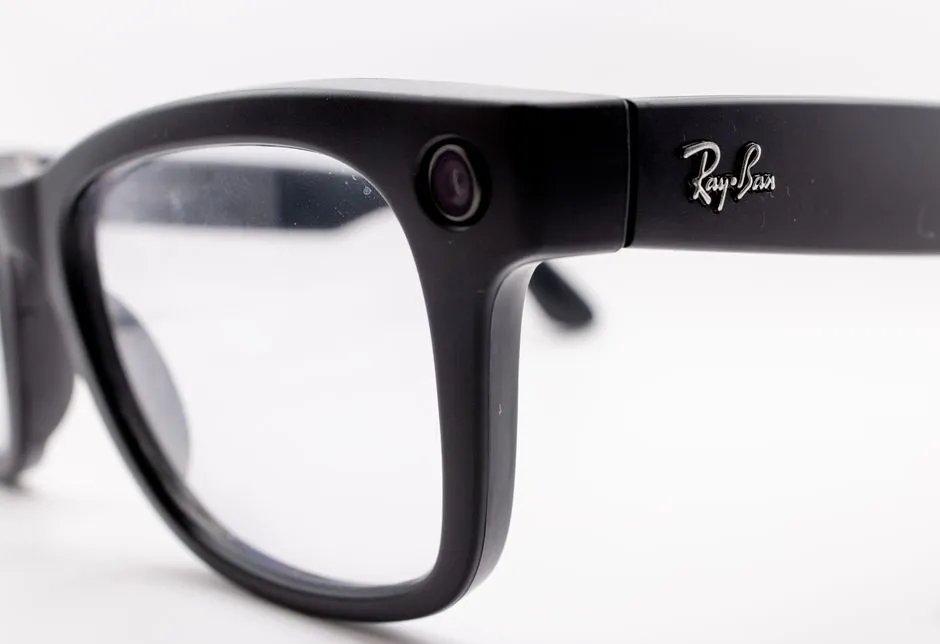
The statement landed in the same week that some Ray-Ban Meta owners reported finding voice recordings their glasses had saved without being asked.
What the regulators said
The EDPB describes its statement as initial, preliminary guidance. "These devices look like ordinary glasses, but they include cameras and microphones and are connected to the internet," said EDPB Chair Anu Talus. "This raises serious privacy concerns, as individuals may be recorded without their knowledge." She said the risks were greater in hospitals, schools and workplaces, and that children were especially at risk, whether wearing the glasses or being filmed.
On signals, the board gets specific. "Smart glasses should make their recording obvious – for instance with bright LED lights, audio signals or voice activation cues, privacy-friendly smartphone notifications, or unique designs," Talus said. "These warnings need to be reliable, hard to ignore, and always up to date."
Who carries the duty
The statement splits responsibility. A wearer who posts footage to a public social media account, or uses the glasses for official, professional or political work, becomes a data controller under the GDPR. Someone filming family or friends, or using the glasses to translate in private, falls under the household exemption and outside the GDPR, though the EDPB notes that criminal, civil and employment law can still apply.
Makers and app providers get no such escape. "As data controllers, neither the producer nor the provider of a linked application or service can transfer their obligations to users," the EDPB says. That shuts down the usual manufacturer line that whatever a customer chooses to record is the customer's problem.
A recording problem of a different kind
The guidance is about bystanders. The week's other episode concerned the people wearing the glasses. According to TechRadar, which picked up a report from Android Authority, a Ray-Ban Meta owner found audio and text transcripts saved by their glasses that had not been triggered by the "hey Meta" wake phrase, on three different pairs. Others reported the same. Meta told Android Authority that the issue "has been resolved", without explaining what went wrong.
TechRadar notes that Meta's privacy notice mentions voice services being "inadvertently" activated, and that some recordings may be reviewed by Meta staff. Owners can check what was captured in the Meta AI app under the glasses' privacy settings and voice activity log, and can turn voice activation off.
The light was never enough
This is not the first time RECATOOLS has covered the problem. Meta previously fixed a way to record with the indicator light blocked, then disabled cameras on thousands of glasses with tampered lights. The EDPB statement goes further than any fix so far. It says an indicator light should be visible in many lighting conditions, stay on long enough to be understood, and that "it should not be possible to record information when the indicator is covered". It warns that a white LED can be mistaken for a reflection or solar glare, and is hard or impossible to notice for people with visual impairments.
It also floats ideas the industry has not adopted, such as glasses broadcasting a signal that nearby phones could pick up while recording is under way, and design cues that separate smart glasses from ordinary frames. Where glasses are designed mainly for real-time assistance, it says, keeping captured audio, images or video should be switched off by default unless it is needed or the user turns it on. That is directly relevant to the Ray-Ban Meta reports.
The board also published an expert report commissioned through its Support Pool of Experts, prepared by an external sociologist, which found that smart glasses are sometimes becoming tools of interpersonal surveillance. The EDPB stresses that the report's views are the author's, not the board's own.
What changes now
The statement is not a new law and has no deadline. But it tells national regulators how the EDPB reads existing EU rules, and it gives manufacturers a detailed account of what a reliable recording signal should look like before a regulator tests the point in an enforcement case. Owners in the EU, and anyone they film, should expect the burden of being noticed to shift further onto the device.

View author profile → · Editorial policy