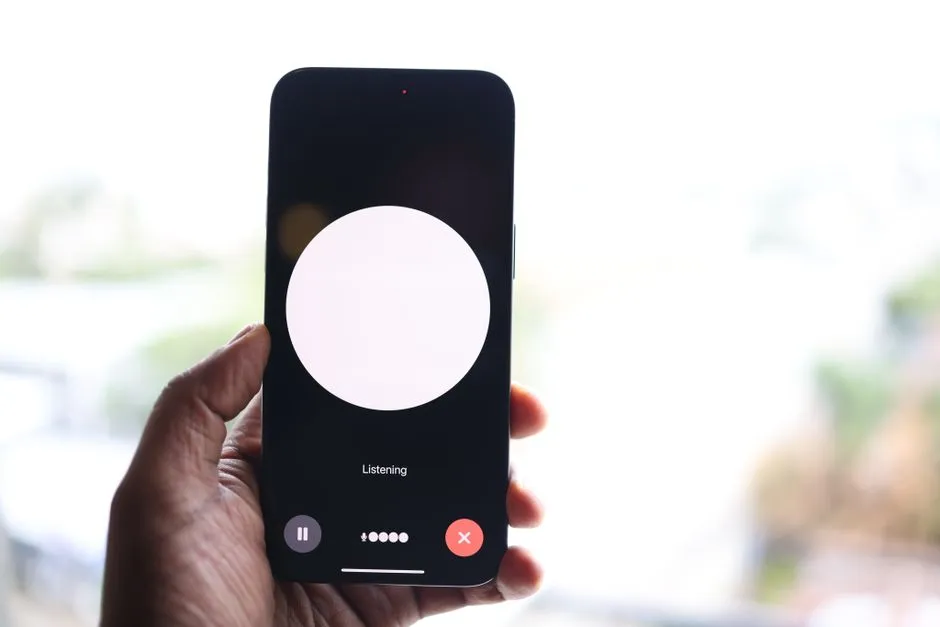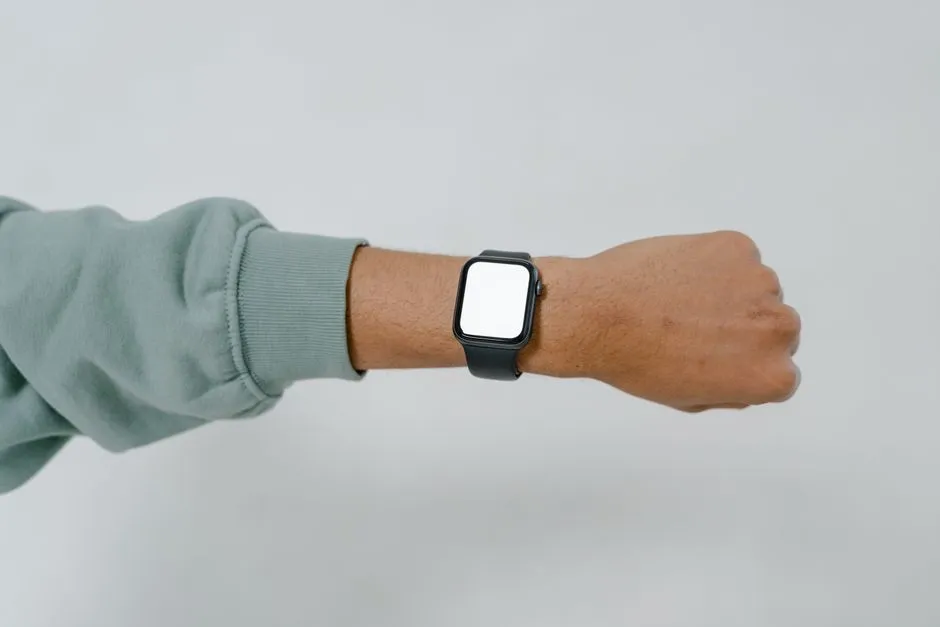
14 SEP 2026 — Siri Recap listens to your day on an Apple Watch and hands you a summary of it, and the engineering underneath is about as protective of the wearer as a listening feature can be. Audio goes to a secure exclave the operating system cannot read. Nothing is recorded. The text that leaves the wrist is shorter than what was said, stripped of filler, encrypted, and summarised on hardware Apple says it cannot inspect.
Every one of those protections is for the person wearing the watch. The person talking to them gets none of it, because they were never asked.
What the feature actually does
Siri Recap arrives on the Apple Watch Series 12 and Ultra 4, paired with an iPhone 16 or later, and ships later this year. It is off by default and turned on through the Watch app, with a schedule if you want one — work hours only, nothing overnight — and a toggle in Control Centre.
Once running, it listens continuously and builds summaries of what it heard, meant to jog your memory about the day. Recaps delete themselves after seven days unless you save them. Alongside it sit Live Rewind, which transcribes the last fifteen seconds of speech when you press the Digital Crown, and sound recognition for sirens, alarms and doorbells.
The audio path is the part Apple has documented most carefully. Sound is processed in what Apple calls the Secure Exclave on the watch and phone — a separate isolated domain, not the Secure Enclave that holds keys — where Apple says it cannot be reached by the operating system, by apps, by the user or by Apple. No recording is kept. A condensed text version, less than half the length of what was spoken, is encrypted and sent to Private Cloud Compute, where Apple's own models write the summary.
The things it refuses to write down
The omission list is more thoughtful than most people will expect. Recaps leave out language promoting self-harm or hateful speech, financial data, government-assigned identifiers, authentication data and certain personal identifiers. There is no speaker attribution, so the summary does not say who said what, although a name spoken aloud can still appear.
That is a design trade-off with a cost. A summary that will not write down a number you read aloud is a worse summary. Apple accepted that, which is more than most of this category has done.
Opt-in for one person in the conversation
The architecture stops helping at exactly this point. Consent is collected from the wearer, once, in a settings screen. Everybody else in the conversation is a data subject who was not consulted and is not informed.
The usual defence is that nothing is recorded, and the distinction holds: a transcript is not a tape, and a summary is not a transcript. But the thing a colleague worries about was never the audio file. It is that the sentence they said carelessly at lunch now exists in text on somebody else's device, and that it can be saved before the seven days run out.
Live Rewind makes it plainer. Fifteen seconds is long enough to capture a remark the speaker would not have made on the record, and the press of a crown is invisible from across a table.
Where the law has already arrived
Other products in this category have been clearer about who carries the risk. The wearable recorder Plaud tells customers to obtain legally required consent before recording; Amazon's Bee reminds users that compliance with recording law is theirs to manage. Neither instruction is generous — both are the manufacturer stepping out of the way — but both at least name the problem.
The problem is not hypothetical in this region. Several jurisdictions require the consent of all parties to record a private conversation, and the legal question of whether a machine-written summary of speech counts as a recording has not been settled anywhere we can find. A court asked to treat a Siri Recap entry as evidence would be working without a map.
Singapore sits awkwardly in the middle of that. There is no general bar on recording a conversation you are taking part in, and the Personal Data Protection Act carves out personal and domestic use from its main obligations — but a watch worn into a client meeting stops being domestic the moment the meeting is work, and the summary it produces is then personal data held by an organisation.
The normalisation argument
The strongest criticism of these features is not about any single leak. It is that knowing you might be summarised changes how people speak, and that effect does not require the feature to ever misbehave.
It is a slow cost, and no privacy architecture can engineer it away, because it is produced by the possibility of the device rather than by its data handling. Apple has built a system where the audio does not leave the exclave, and a room full of people still cannot tell whether the watch across from them is listening.
A capture indicator would help — a visible light, the way camera glasses have been pushed towards one after regulators and venues objected. Nothing in what Apple has published describes one for audio.
Where this gets decided
A signal to the room is the obvious missing piece. The camera-glasses fight went exactly this way: manufacturers argued the indicator was unnecessary, then added it and hardened it after bans and tamper reports. Audio has no equivalent yet.
Regional availability is the second marker. Several Apple Intelligence features have arrived late and altered where the rules are stricter, and all-party-consent law is stricter than anything Apple has had to accommodate for a listening device.
The rest gets decided in a courtroom. A saved recap of a conversation somebody did not know was being summarised will settle more about this category than any privacy white paper.

View author profile → · Editorial policy