
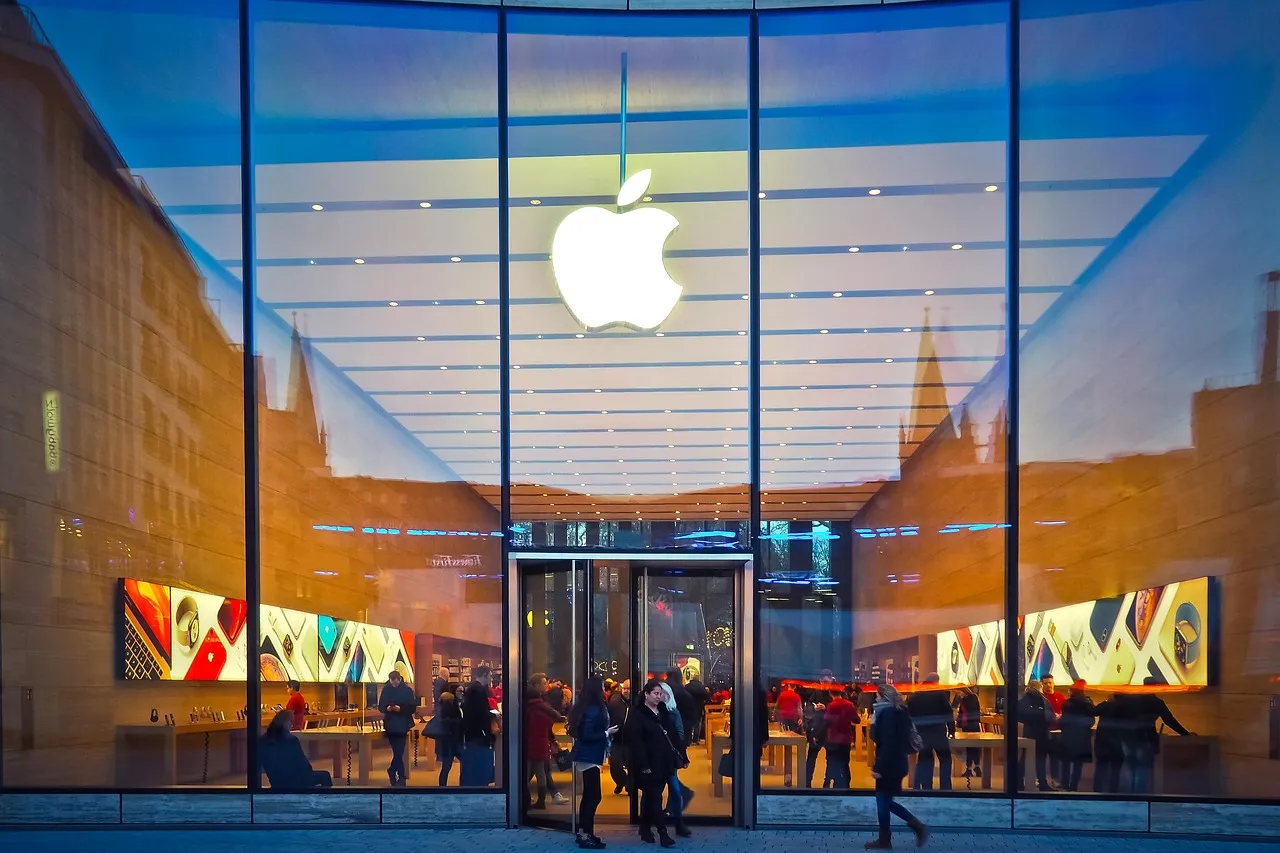
CUPERTINO, 29 AUG 2026 — Apple will hold a launch event on 9 September, its first with John Ternus as chief executive. Ternus takes over on 1 September, with Tim Cook moving to executive chairman, ending a fifteen-year tenure.
The invitations carry the tagline "Surprise and shine". Almost everything else being reported about the event is expectation rather than announcement.
What has been announced and what has not
Apple has confirmed only the basics: the date, a 10am Pacific start, the Cupertino venue and a tagline.
Analysts expect new iPhones and Apple Watches, and widely expect the company's first folding phone. Bloomberg's coverage went as far as describing a foldable debut as marking the start of the Ternus era, which presents an unannounced product as a scheduled one.
The expectation may well be right — Apple's September events have launched iPhones for over a decade, and reporting on the folding device has been consistent for two years. It is still expectation. Credible reporting is not confirmation, a distinction that applies equally to Nvidia's reported Hugging Face acquisition, and the two get printed in the same typeface.
The succession is the actual news
The handover was announced in April and completes on 1 September, which means the event falls eight days into the new chief executive's tenure.
Cook is not departing. He becomes executive chairman, a role that keeps him on the board and inside the company, and the difference between that and a clean exit is substantial for how much actually changes in the near term. A chief executive whose predecessor chairs the board has less room than the job title suggests. That is a normal arrangement at a company of this size, and it bears stating.
Ternus comes from hardware engineering, where he ran the group responsible for the iPhone, iPad and Mac. That is a different background from Cook's, which was operations and supply chain, and different again from Steve Jobs's.
What a hardware engineer at the top might change
Reading a strategy from a résumé is a weak method, and the inference here is at least testable.
Cook's tenure was defined by operational mastery and by services revenue growing into a business larger than most of the S&P 500. A hardware chief taking over signals that the board sees device engineering, rather than distribution or margin, as the constraint on the next decade.
There is a case that this is overdue. Apple's position in artificial intelligence has been the persistent criticism of recent years, and the company's response has been substantially a hardware response — silicon, on-device inference and the manufacturing to support it. It has put its first 2nm chip into an $899 Mac mini and is building AI servers in Texas, both of which are engineering bets rather than product ones.
The test is not the 9 September keynote, which was planned long before the handover, but what appears in 2028 — the first product cycle a new chief executive can actually shape.
The event was planned before the handover
The most common misreading of a leadership change at a product company is to assign credit for whatever is shown first. Nothing appearing on 9 September is Ternus's work as chief executive.
An iPhone announced in September was specified two to three years earlier, taped out in silicon eighteen months before, and locked for manufacturing months ago. The supply commitments were placed under Cook. If a folding device appears, it is the output of a programme Ternus ran as hardware chief. That reflects on his record in the old job, not on his judgment in the new one.
This is why a first keynote tells you very little. It is a handover ceremony attached to a product cycle that was already finished, and the coverage that reads it as a statement of new direction is reading a schedule.
What the transition does not resolve
Two problems arrive with the job and are not addressed by a change of leadership.
The first is regulatory. Apple lost its European gatekeeper fight, and Germany's competition authority made it redesign the tracking prompt it wrote for rivals. Those constraints attach to the company's market position, not to its chief executive.
The second is the AI question, which is a matter of models, data and partnerships rather than of devices. A hardware background is not obviously the relevant expertise there, and it is the area where the new chief executive's first genuinely consequential decisions will be made.
What this means for buyers in this region
For readers here the practical content of the event is pricing and availability rather than leadership.
September launches reach Southeast Asian markets on a staggered schedule, and the pricing that matters regionally is usually the tier below the flagship rather than the flagship itself. If a folding device does appear, it will be the most expensive iPhone ever sold and it will not be the model that moves volume in Manila, Jakarta or Ho Chi Minh City.
The number to watch on the day is what happens to the price of the outgoing models, which is the decision that determines what most people in this region actually buy.