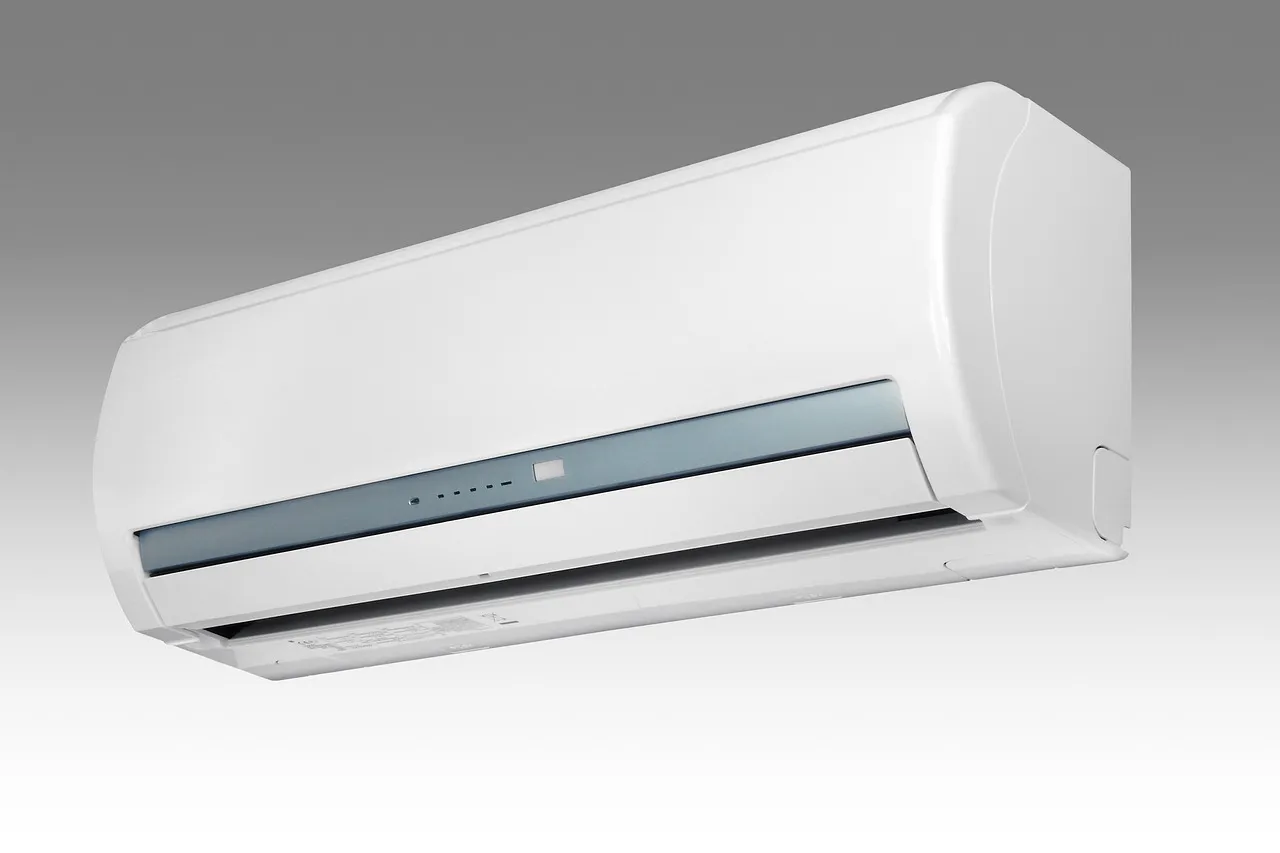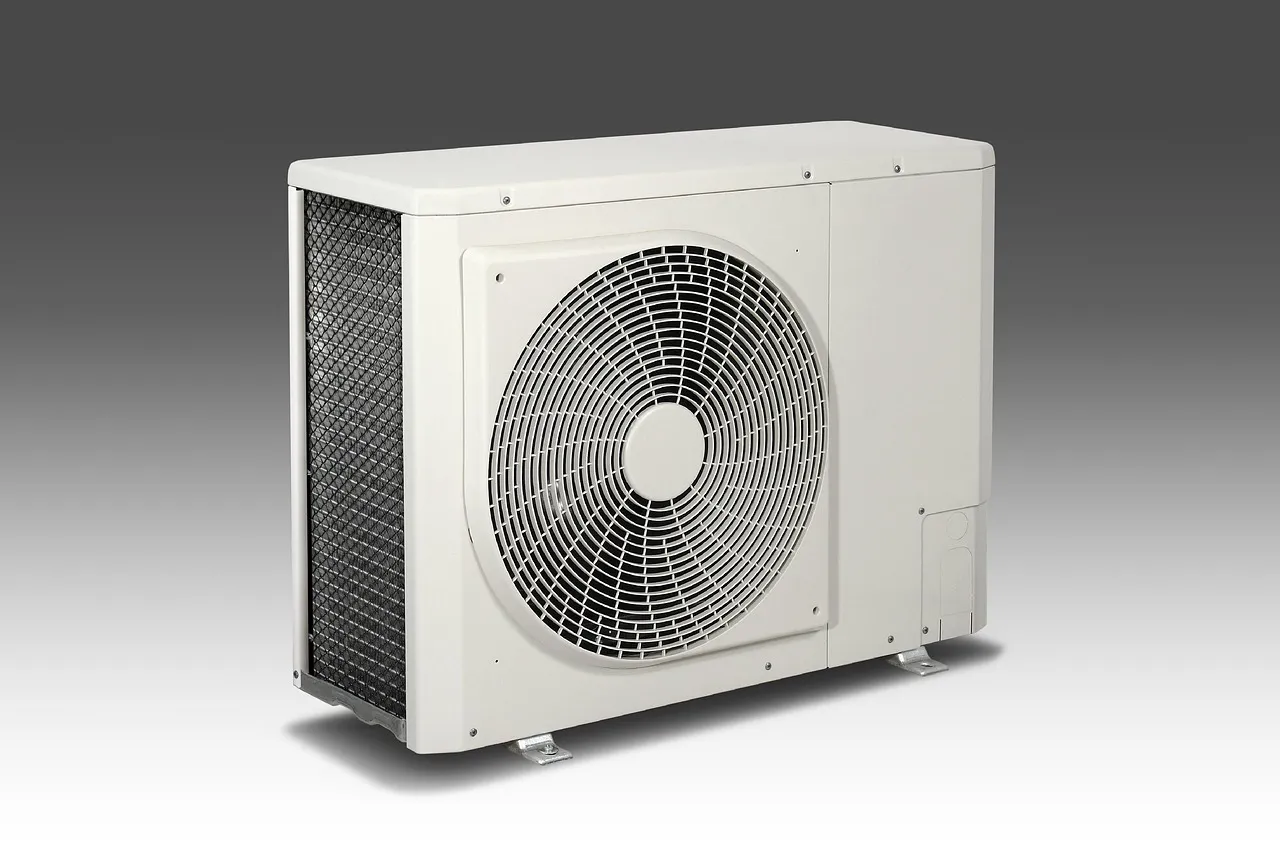
Singapore does not allow a household air conditioner to be sold if its refrigerant has a global warming potential above 750. The refrigerant that limit made the market default is R-32, and the figure the regulator publishes for it is 677 — comfortably inside.
The IPCC's current assessment puts R-32 at 771. The limit sits between the two numbers.
Where each number comes from
Global warming potential is not a measured property like density. It is a modelled ratio, recalculated each time the IPCC issues an assessment, and the value for a given gas moves between reports as the underlying science is revised.
Singapore's National Environment Agency publishes the table that has legal effect under section 40A of the Environmental Protection and Management Act. Its own note says where the numbers come from: "GWP values are based on Table 8.A.1 of the Fifth Assessment Report of the Intergovernmental Panel on Climate Change". That is AR5, published in 2013. The page was last updated on 14 August 2026 and still carries those values.
The IPCC's Sixth Assessment Report, in Table 7.SM.7, gives HFC-32 a hundred-year GWP of 771. The United States is on an older vintage still: the value fixed in the Code of Federal Regulations is 675, an AR4 figure, against an EPA limit of 700 for new residential air conditioning.
| Refrigerant | AR4 (US regulation) | AR5 (Singapore's table) | AR6 (current science) |
|---|---|---|---|
| R-32 | 675 | 677 | 771 |
| R-410A, the one it replaced | 2,088 | 1,924 | 2,256 |
| R-454B | 466 | 467 | 531 |
What that does to compliance
Run each limit against each vintage of the same refrigerant:
| Limit | Set by | R-32 on AR5 | R-32 on AR6 |
|---|---|---|---|
| 750 | Singapore, household air conditioners | 677 — passes at 90% of the limit | 771 — would fail, at 103% |
| 700 | US EPA, new residential AC | 677 — passes at 97% | 771 — would fail, at 110% |
⚠️ Two regulators, working independently, set limits that R-32 clears on the vintage each of them uses and fails on the vintage the IPCC currently publishes. Neither has done anything wrong: a legal threshold has to point at a fixed, citable table, and updating it is a deliberate act with an industry behind it. The compliance margin for the most common refrigerant in new equipment is therefore an artefact of the citation date, not a property of the gas.
Why R-454B is the interesting comparison
The obvious reading is that R-32 is secretly worse than advertised. It is not — it remains far below the R-410A it displaced, on every vintage. The AR6 revision moves R-410A too, from 1,924 to 2,256, so the relative case for switching got stronger rather than weaker.
The useful comparison is R-454B, the blend the American market is moving to. It reads 467 on AR5 and 531 on AR6. Both figures clear both limits with room to spare, so its compliance does not depend on which report you consult.
That is the practical distinction for anyone specifying equipment with a long service life. A refrigerant at 90% of a limit is compliant today but may not be after the next assessment. One at 70% is compliant under any vintage currently in circulation. Read how much room a refrigerant has, not just whether it clears.
What this does not mean
It does not mean R-32 equipment is about to become illegal. Regulators rarely apply a revised table retroactively to goods already on the market. Adopting AR6 would be a policy decision with a transition period attached, not an overnight reclassification.
It also does not mean the regulator is behind. A rule pointing at "whatever the IPCC most recently said" would change a product's legal status without anyone legislating. That is why these instruments cite a specific table. Singapore's provision is explicit that the operative values are the ones published on the agency's own website — the fixed citation is the design.
What it does mean is that the GWP figure quoted for a product has a date attached to it, and the date is not printed.
What to do with it
If you are buying a unit that will run for a decade or more, ask which refrigerant it uses and look up all three vintages rather than the one your regulator cites. That is a two-minute check and it distinguishes a comfortable margin from a marginal one.
If you are estimating running costs or emissions rather than compliance, the refrigerant GWP is usually not the number that matters. A split unit's lifetime emissions are dominated by the electricity it consumes, not by the charge escaping — our aircon sizing and running-cost calculator and carbon footprint calculator both work on consumption for that reason. The GWP figure matters at end of life, at servicing, and at the point where a regulator decides what may be sold.
Where this comes from, and what will date it
The 677 figure, the AR5 attribution and the last-updated date were read from the National Environment Agency's own published table under section 40A. The 750 limit for household air conditioners is from the agency's own guidance on the regulated goods. The 771 figure is the hundred-year GWP for HFC-32 in Table 7.SM.7 of the IPCC's Sixth Assessment Report. The American figure of 675 is the value fixed in the Code of Federal Regulations against EPA's 700 limit.
Every percentage above is arithmetic on those figures: 677 divided by 750 is 90.3%, and 771 divided by 750 is 102.8%.
⚠️ One limit worth stating. We have compared published GWP values against published limits. We have not established what either regulator intends to do about the AR6 revision, or whether a transition is under consideration, because neither has said so in anything we could read. The gap is a fact. What either regulator does about it is not something we can report, because neither has said.
This dates the moment either regulator adopts a newer assessment, which would close the gap for that jurisdiction and is the single most likely change. It would not date if the IPCC issues a seventh assessment — that would widen the same gap rather than remove it, and the reasoning would hold with new numbers in it.

View author profile → · Editorial policy