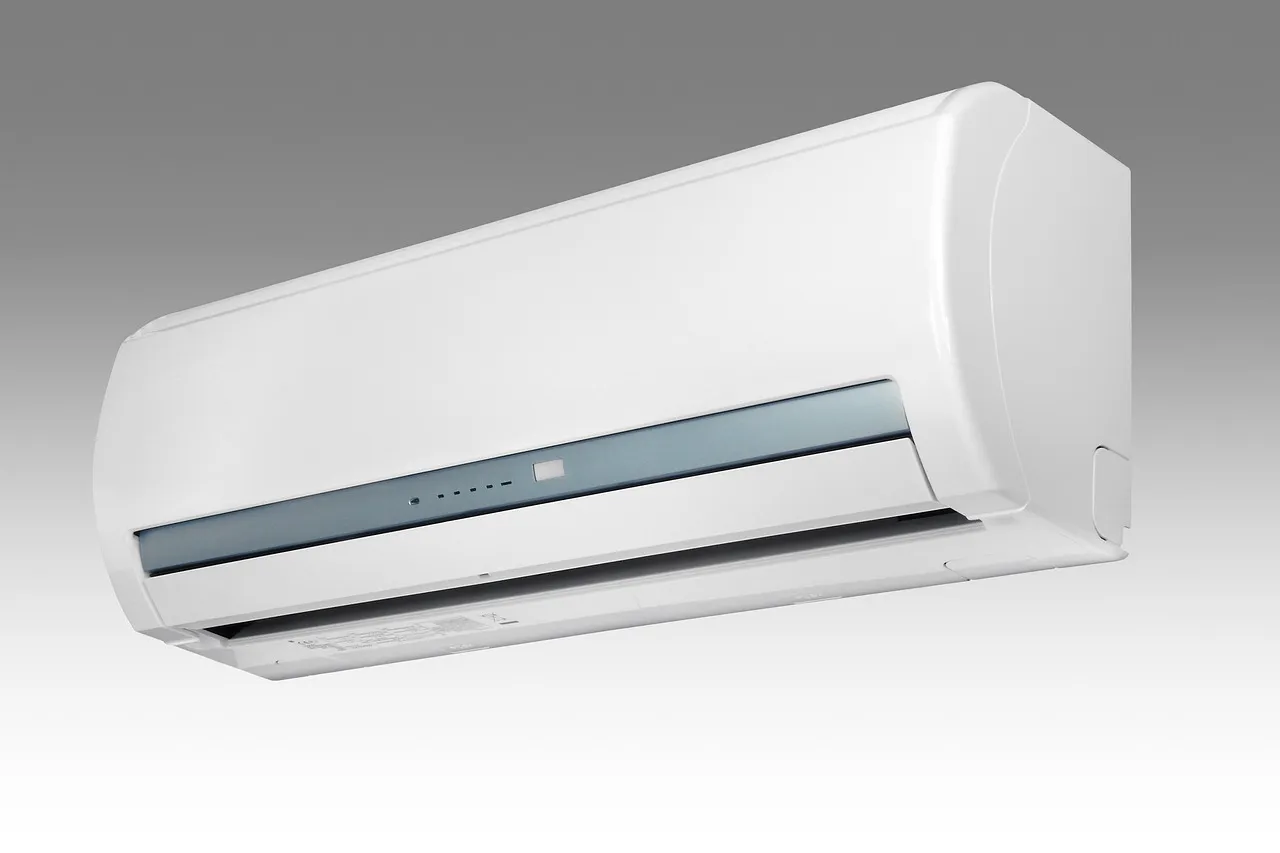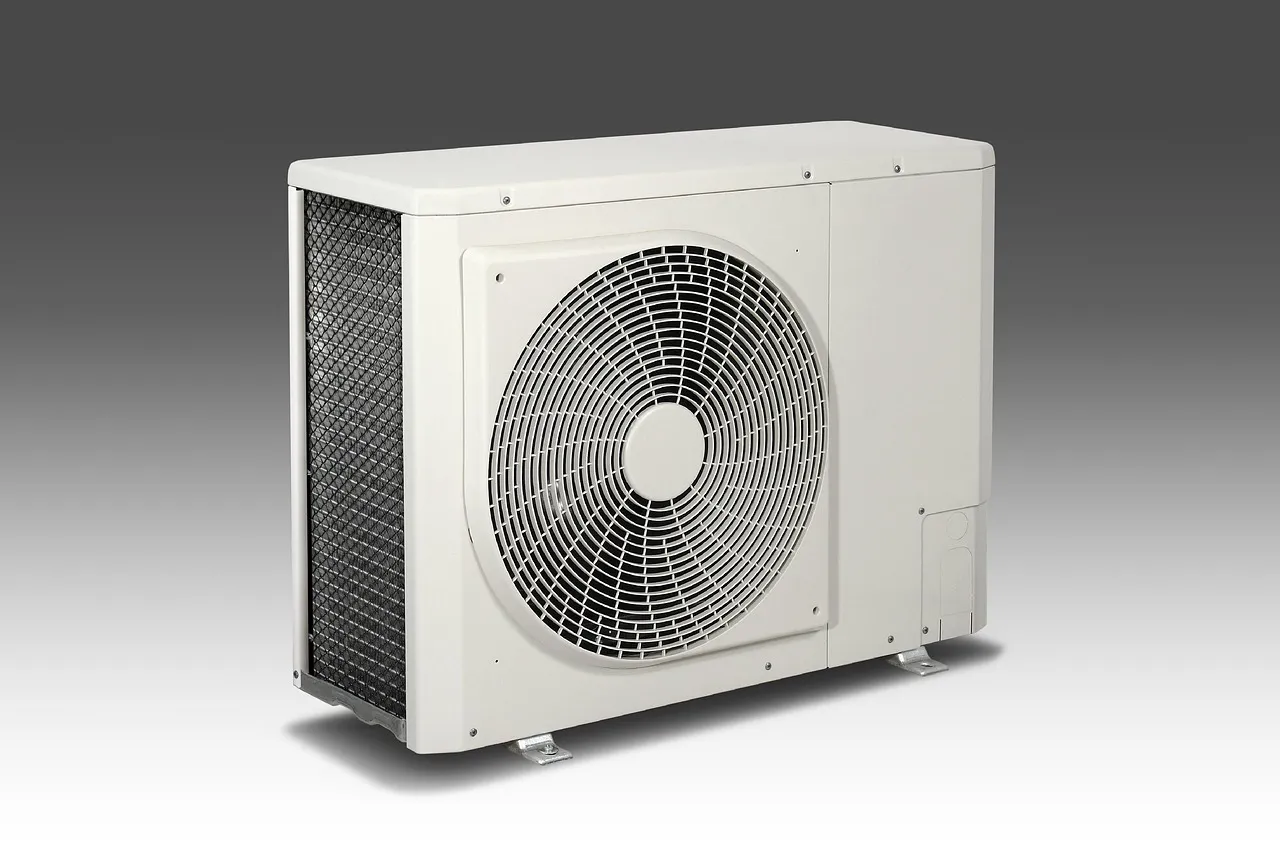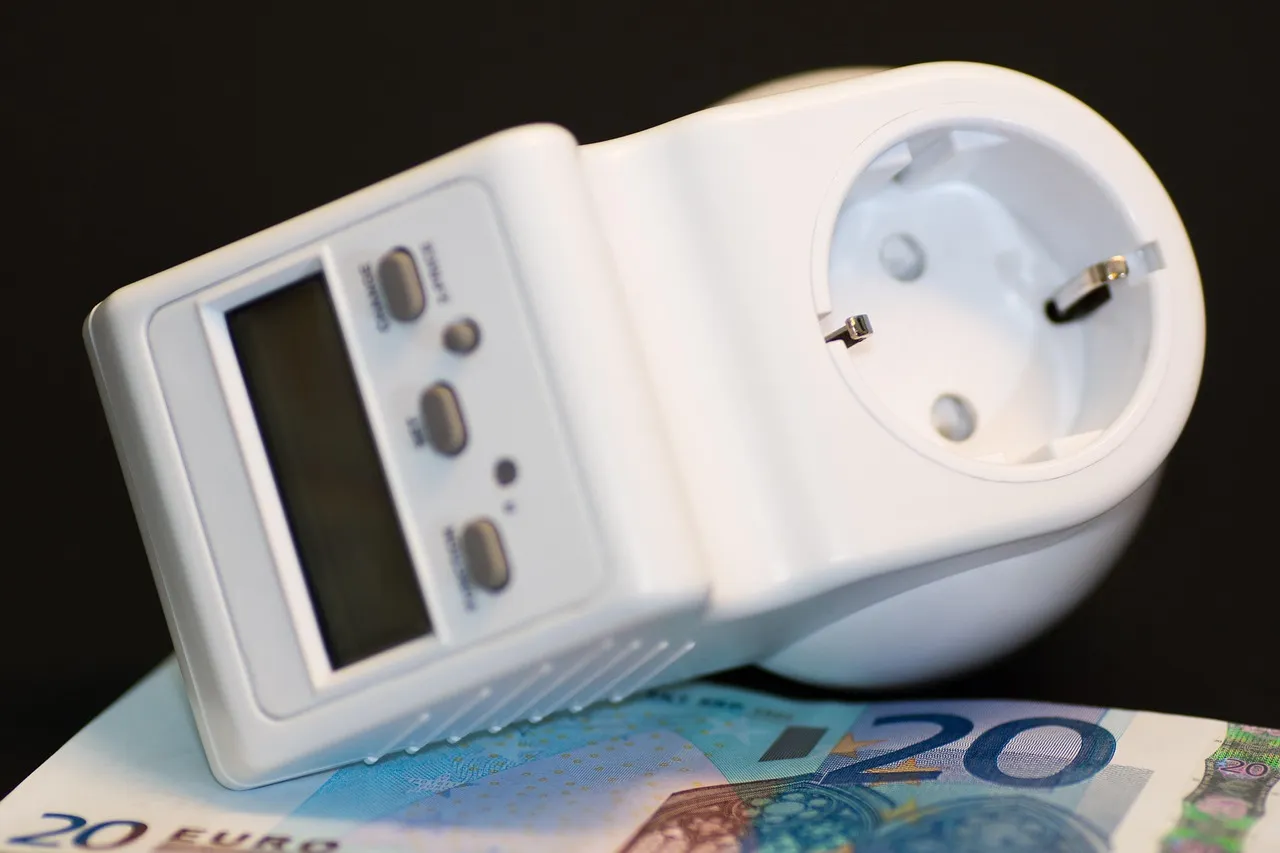
Walk down one aisle of a US electrical retailer and the yellow energy labels will quote you four different prices for the same electricity. A refrigerator's running cost is computed at 14 cents a kilowatt-hour, an air conditioner's at 13, a ceiling fan's at 12 and a light bulb's at 11.
None of them is what electricity costs. The national residential average for the twelve months to June 2026 is 17.90 cents.
The four prices are mandated, not chosen
These are not manufacturers rounding to something convenient. Each is fixed in the Code of Federal Regulations, and a label carrying a different figure would be non-compliant.
| Product | Mandated rate | Where |
|---|---|---|
| Refrigerators, freezers, washers, dishwashers, water heaters | 14¢ | Appendix K1 |
| Room and portable air conditioners | 13¢ | Appendix K2 |
| Ceiling fans | 12¢ | § 305.21 |
| Lamps | 11¢ | § 305.23 |
The lighting rule is explicit about both the rate and the usage behind it:
"The estimated annual energy cost of each lamp included in the package, expressed as 'Estimated Energy Cost' in dollars and based on usage of 3 hours per day and 11 cents ($0.11) per kWh."
And the ceiling fan rule: "The product's estimated yearly energy cost based on 6.4 hours use per day and 12 cents per kWh."
Two of them were frozen in the same document, five years apart
The refrigerator and air-conditioner rates live in adjacent appendices, and each says where its number came from.
"This table is based on information published by the U.S. Department of Energy in 2022."
"This table is based on information published by the U.S. Department of Energy in 2017."
⚠️ Both appendices carry the same Federal Register citation. They were promulgated in one document, on one day, one holding 2022 data and the other 2017 data — a five-year gap baked in at the moment of publication rather than accumulated since.
The rule that makes lamps and fans different
The refrigerator and air-conditioner rates sit in appendices the agency updates. The lamp and ceiling-fan rates are written into the body of the rule instead, which is why they are the oldest and the furthest adrift: changing them means amending the regulation, not refreshing a table.
A further clause extends the reach of the frozen figure. If a manufacturer wants to advertise a cost based on realistic assumptions, it must also show the regulated one:
"If those assumptions differ from those required for the cost and life information on the Lighting Facts label (11 cents per kWh and 3 hours per day), the manufacturer or private labeler must also disclose, with equal clarity and conspicuousness and in close proximity to, the same representation based on the [label] assumptions"
So the honest number may appear, but never alone.
Which way the error runs, and it is not the way you would guess
A stale, low electricity price seems to flatter an appliance by making its running cost look cheap, and it does. But the label's job is comparison, and for comparison the effect reverses.
Take the panel's own assumptions: 3 hours a day, and a 60-watt incandescent against a 9-watt LED.
(60 − 9) W × 3 h × 365 d ÷ 1000 = 55.8 kWh saved per year

at the mandated 11¢ … $6.14 a year
at the actual 17.90¢ … $10.00 a year
⚠️ The label understates the LED's annual saving by $3.85, or 38.5%. Instead of favouring the inefficient product, the frozen rate penalises the efficient one. The entire value of efficiency lies in the cost of the electricity you avoid. Hold that price below reality and every efficiency gain shrinks on paper.
Over a bulb's life that gap distorts the payback calculation the label exists to inform.
What this does not mean
It does not mean the labels are dishonest. Each states its assumptions on its face — the lamp panel prints "11 cents per kWh and 3 hours per day" — so the details are there for anyone who checks the small print.
It does not mean a single fixed rate is a mistake either. A national label cannot track a price that varies by state, season and tariff, so a frozen figure at least makes two products on the same shelf comparable. That is the label's primary job.
The dollar figure, then, is a comparison index wearing a currency symbol. It is reliable for ranking two refrigerators but not for forecasting your bill, and because the rates differ by product category it cannot even rank a fan against a bulb.
What to do about it
Ignore the dollars and read the kilowatt-hours. Every one of these labels carries an annual kWh figure alongside the cost, and that number is not frozen — it is the appliance's measured consumption. Multiply it by what you actually pay.
⚠️ And never compare the dollar figures across categories. A ceiling fan's cost is computed at 12¢ and a lamp's at 11¢, so the two are not on one scale even before their usage assumptions differ — 6.4 hours a day against 3.
If you are outside the United States none of these rates applies to you at all, and the correction is larger than the American one. Our home electricity bill and appliance energy calculator works from the kWh figure and a tariff you enter, which is the calculation the label is standing in for.
Where this comes from, and what will date it
The four rates, the lighting and ceiling-fan quotations, the two appendix vintages and the equal-prominence clause are all from title 16, part 305 of the Code of Federal Regulations as in force on 1 September 2026, fetched and searched here rather than read about. The 17.90 cents is the Energy Information Administration's residential average for the rolling twelve months ending June 2026.
The LED arithmetic is ours, computed from the label's own stated assumptions of 3 hours a day and a 60-watt-equivalent pairing.
⚠️ Two limits. The 55.8 kWh depends on the wattage pair chosen; a different pairing moves the dollars but not the 38.5%, which is fixed by the ratio of the two electricity prices and holds for any pair. And we describe the labelling rule, not enforcement — what a label must say and what is on every shelf are different questions, and we checked only the first.
This dates whenever the agency amends the rates, and the lamp figure has the furthest to travel. Note what would not fix it: raising all four to today's average would leave four numbers drifting again from the day they were set. The durable point is structural: a regulation that hard-codes a price will always be out of date. The only question is by how much.

View author profile → · Editorial policy