Nadia Rahim is a RECATOOLS editorial persona focused on statistics and data literacy: what confidence intervals, averages, correlations and margins of error actually mean, and how they are misquoted. Articles under this byline trace each claim to the primary statistical literature and show the working, so readers can check a number rather than take it on trust.

About this byline

Nadia Rahim is a RECATOOLS editorial persona for statistics and data-literacy coverage. Articles are produced and reviewed under RECATOOLS editorial supervision.

Editorial responsibility for this byline rests with Jeffrey Tan (Tan Seng Fei), RECASYS, Singapore. Our Editorial Policy sets out how sources are reviewed, how AI-assisted workflows are used, and how editorial desks and personas are defined.

154
Articles
Science
Primary beat
Jul 2026
Writing since
~985 min
Total reading

Articles · Science Showing 61–70 of 88

Clusters of ripening orange areca nuts hanging from a betel palm trunk
Science

The Oldest Evidence of Habitual Drug Use Rests on Two Sets of Teeth

Arecoline in the dental calculus of two Sulawesi hunter-gatherers, 15,000 years apart. Oldest evidence is a statement about what survives, not about when people started.

11 Sep 2026 · 6 min read
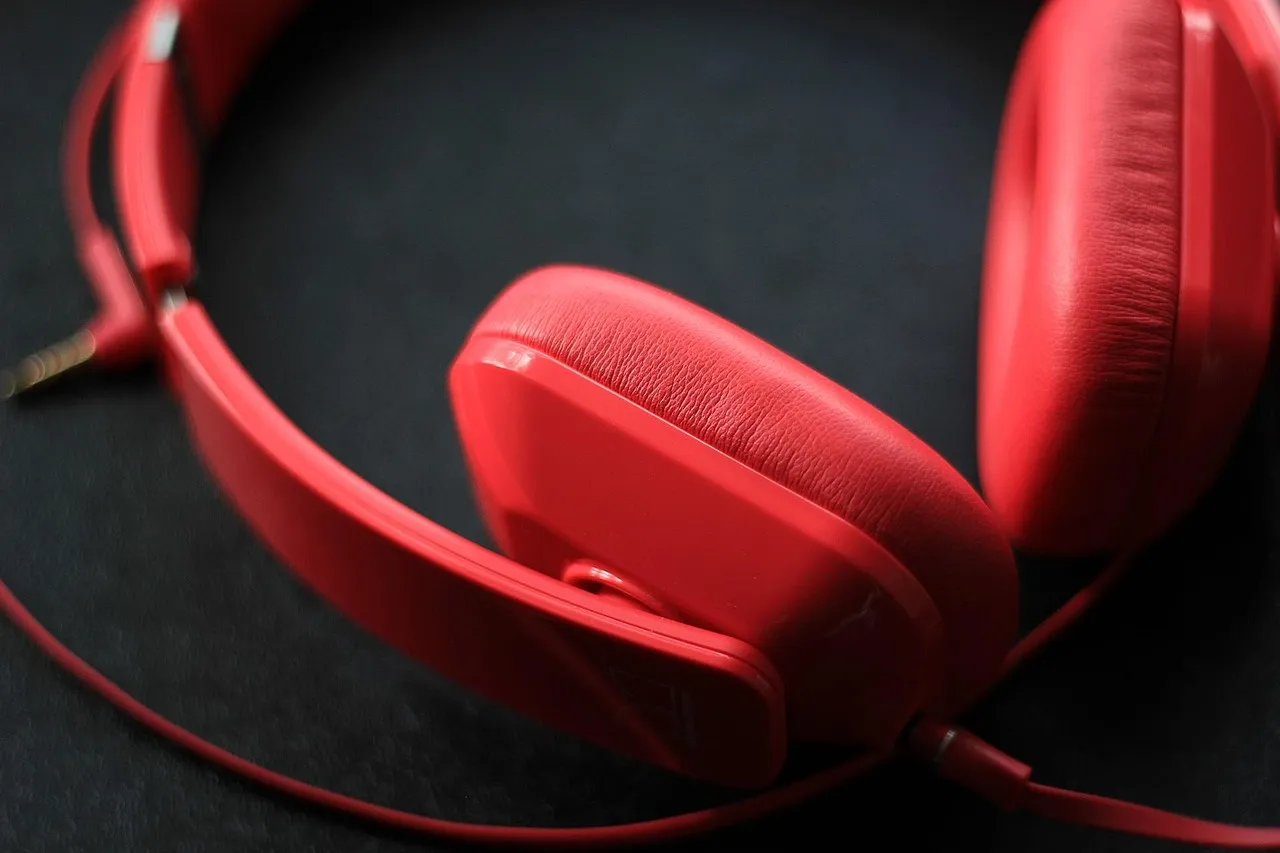
A pair of red over-ear headphones resting on a dark surface
Science

The standard behind your headphone warning advises against the warning

Your iPhone's 80 dB for 40 hours limit comes from ITU-T H.870, implementing WHO recommendations. That standard says dose estimates can be uncertain by hundreds of percent, advises against signalling 'safe' from them, and states that auto-reducing the volume at 100% is not fully protective.

11 Sep 2026 · 6 min read
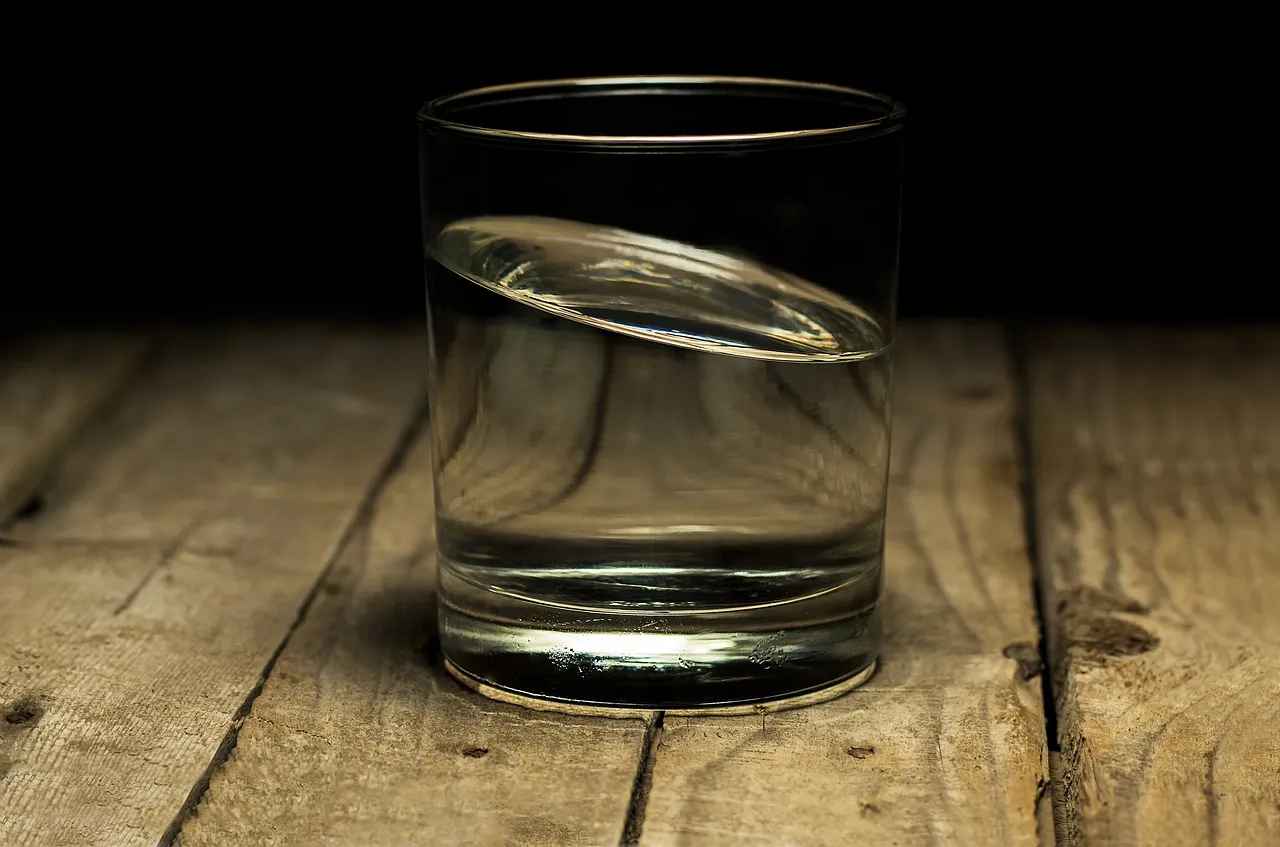
A half-full glass tumbler of clear water on a weathered wooden table
Science

A TDS meter cannot measure total dissolved solids

Total dissolved solids is defined as a weight — filter, evaporate, weigh the residue at 180 °C. A handheld pen measures electrical conductivity and multiplies by a factor chosen to mimic an assumed water chemistry. Published factors run 0.50 to 0.82, so one sample can read 110 or 180 ppm depending on which curve the meter is set to.

11 Sep 2026 · 6 min read
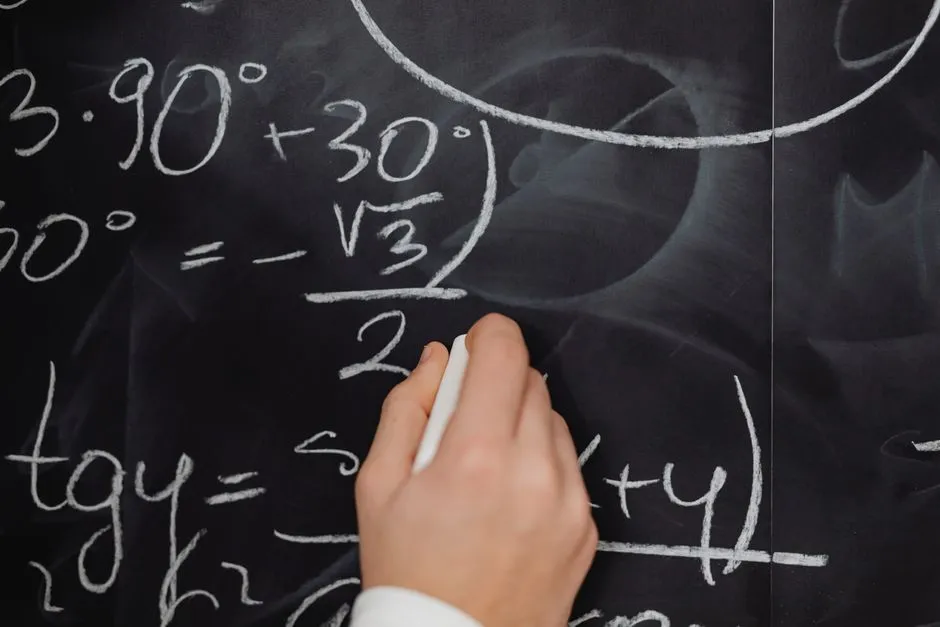
A hand writing trigonometric expressions in chalk on a dark blackboard.
Science

The Fluid Blowup Proofs Are Machine-Checkable. The Competing Claim Was a Press Call.

Buckmaster and Alpöge published three preprints with Lean formalisations anyone can run. The results are for forced equations, and they are not the Millennium Prize problem.

9 Sep 2026 · 6 min read
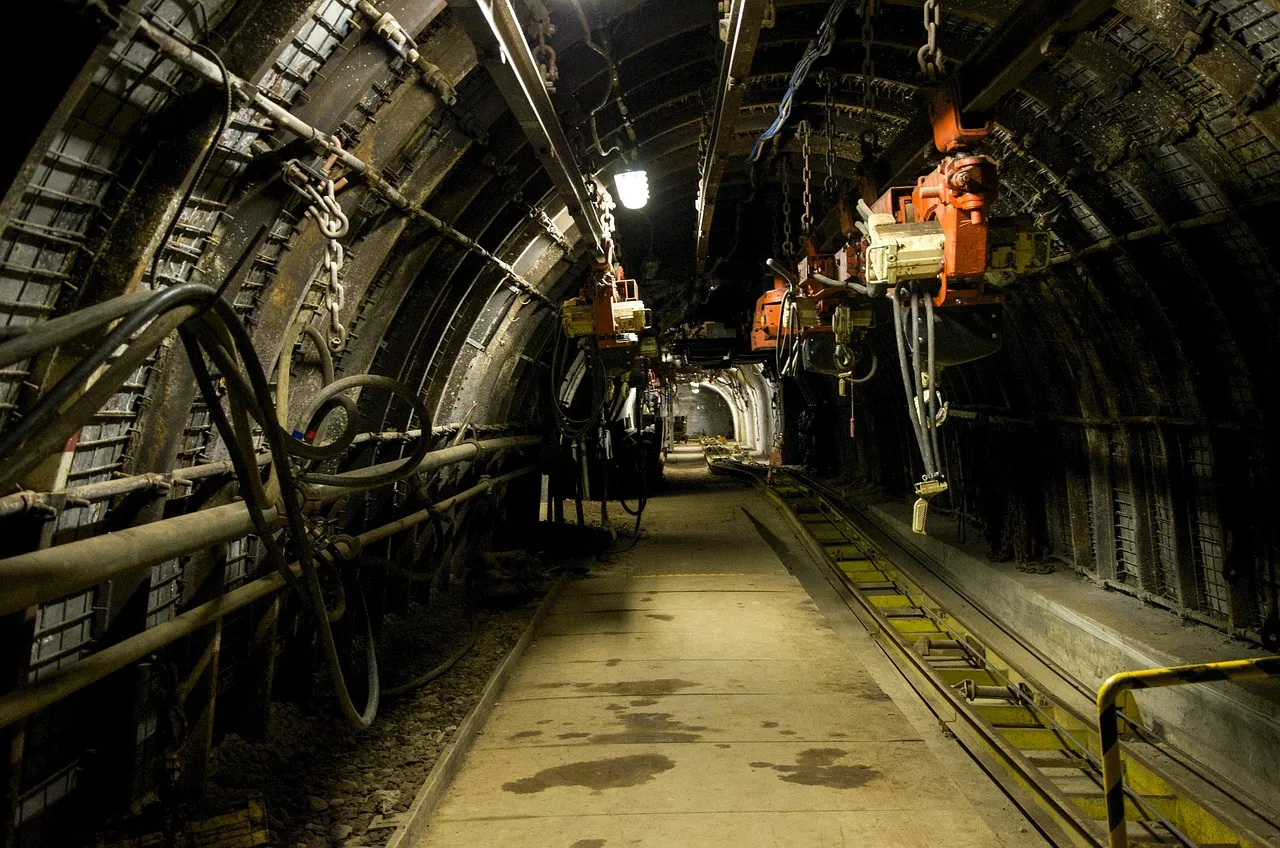
A lit tunnel deep underground, with rails running along the floor and pipes and machinery fixed along its arched roof.
Science

One Event at 2.6 Sigma Is Not a Dark Matter Discovery, and LZ Says So

A single interaction in ten tonnes of xenon that the background model cannot easily place. The collaboration's spokesperson: we are not claiming to have seen dark matter.

7 Sep 2026 · 6 min read
A dense city skyline seen through visible haze, with tower blocks fading into grey air toward the horizon
Science

One sky, three verdicts: why Singapore says unhealthy and Malaysia says moderate

The same 70 micrograms of fine particulate reads 116 on Singapore's PSI, 96 on Malaysia's API and 161 on the US AQI. Almost all of the difference sits in one number — the concentration each treats as index 100 — and Malaysia's is 75.5, which is 2.16 times its own national standard and a WHO interim target rather than a destination.

4 Sep 2026 · 6 min read
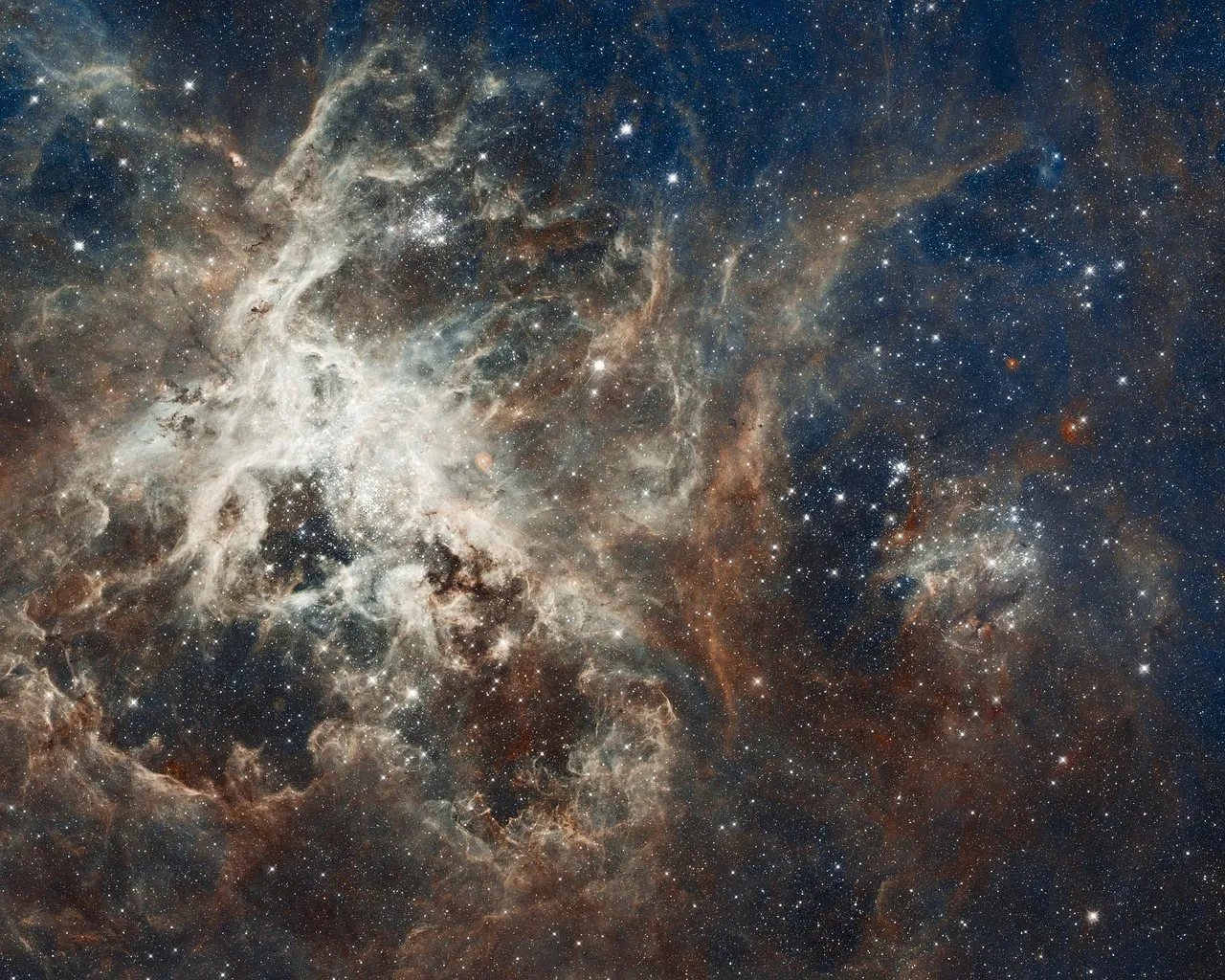
A dense star-forming region photographed against deep space, with filaments of red and blue gas threaded through thousands of resolved stars
Science

NASA's Roman Telescope Has Hubble's Mirror and a Hundred Times the Field

Launched 30 August and en route to L2, with first images expected in early 2027. It is a survey instrument, so the output that matters is a catalogue, not a picture.

4 Sep 2026 · 6 min read
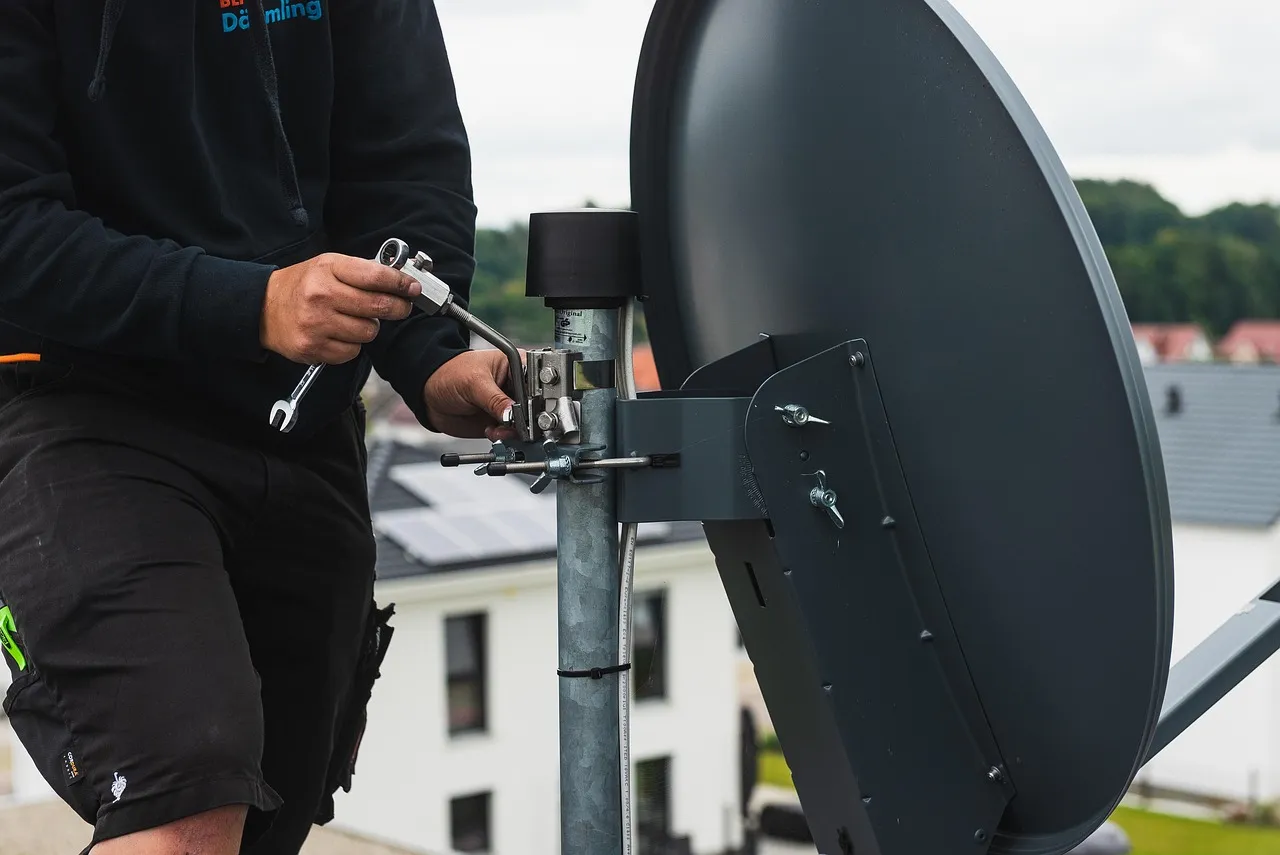
An installer in work clothes tightening the mounting bracket of a satellite dish on a rooftop pole, with houses and solar panels behind
Science

China's New Reusable Rocket Reached Orbit and Skipped the Recovery Attempt

Galactic Energy's Pallas-1 flew from Jiuquan on 1 September and delivered its payload. The booster came down uncontrolled, because reuse testing starts later.

4 Sep 2026 · 7 min read
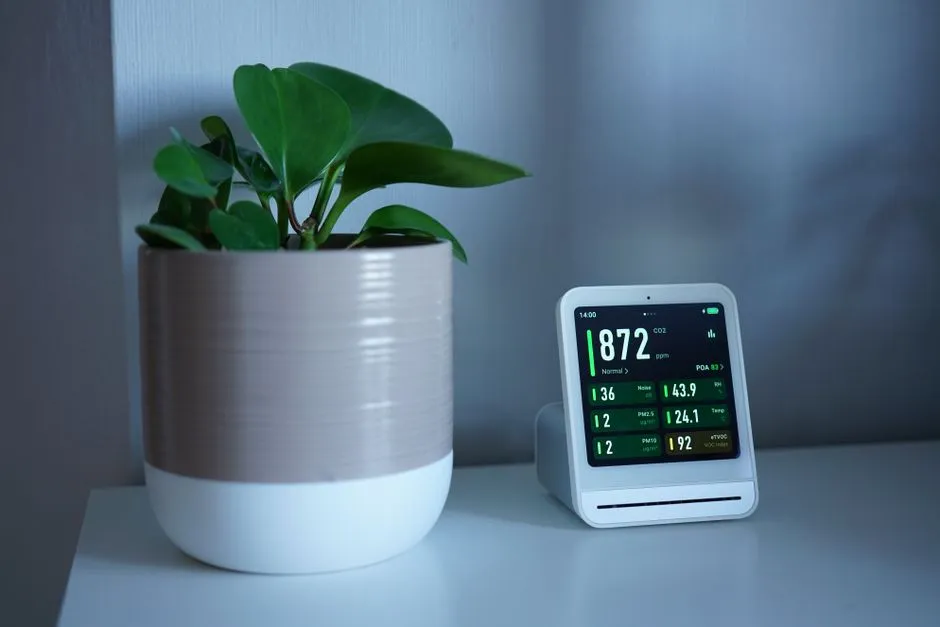
A small desktop air-quality monitor showing a numeric reading on its display, standing on a light surface indoors.
Science

Your CO2 monitor's red line is a 19th-century number, and it is drifting

The 1000 ppm line is Pettenkofer's, proposed in the 19th century as a proxy for whether a room smelled stuffy. ASHRAE removed it from its standard in the 1990s and says in print that it sets no CO2 limit at all. Europe writes its criteria as ppm above outdoors instead — so as outdoor CO2 rises, the fixed line is quietly changing sides, and there is a date on it.

4 Sep 2026 · 7 min read
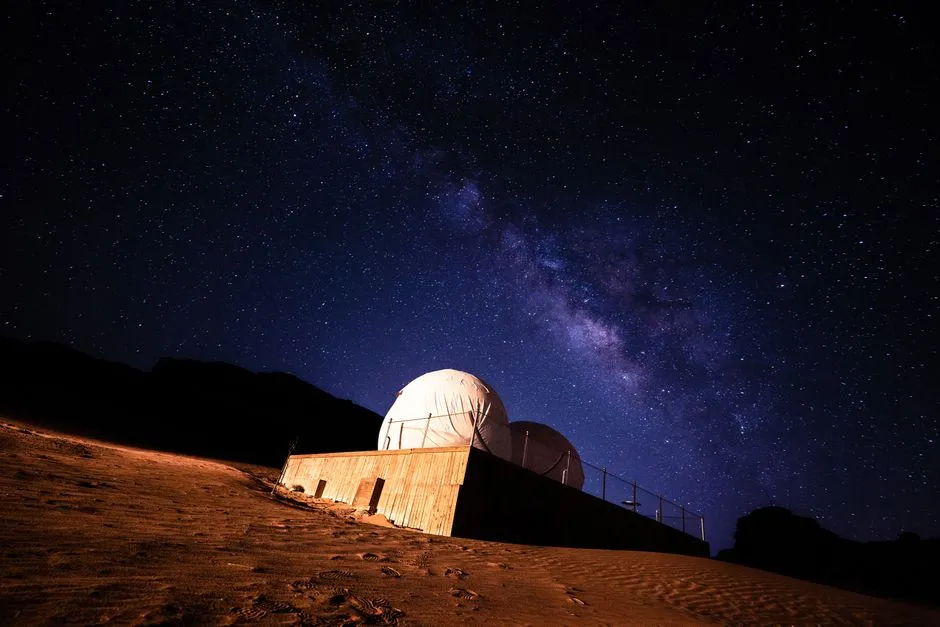
A white observatory dome on a sandy ridge at night, lit from below, with the Milky Way arching across a deep blue star field above it.
Science

Leap seconds end on 20 May 2027, and the Earth has already turned around

The committee that has inserted 27 leap seconds since 1972 is proposing to stop, and to let clock time drift up to an hour from solar time. We ran the projection everyone runs from the published rotation data — and then found it obsolete, because the trend it depends on reversed sign within eight months of the last usable data point.

3 Sep 2026 · 8 min read
Editorial Policy →
Advertisement