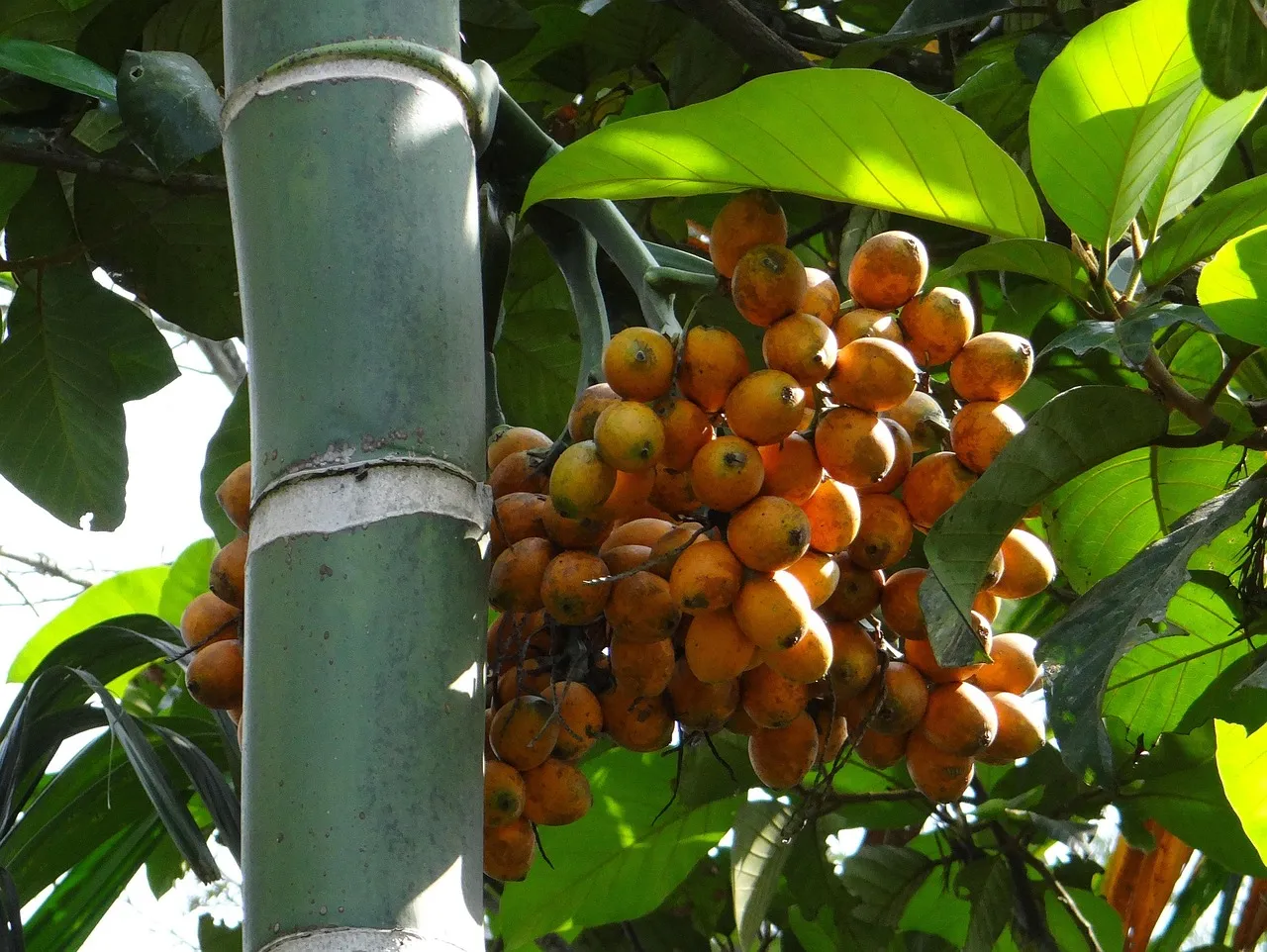
11 SEP 2026 — Researchers have found arecoline, the active compound in betel nut, in the dental calculus of two prehistoric people from Sulawesi, one of whom lived during the coldest part of the last ice age. It is reported as the oldest evidence of habitual drug use anywhere, and it rests on two individuals separated by roughly fifteen thousand years.
What was found
The study, published in Science Advances on 9 September, examined the teeth of two hunter-gatherers from Sulawesi. One lived between 25,000 and 16,000 years ago, the other between 7,600 and 6,300 years ago. Both died at a similar age and both showed the same unusual pattern of tooth damage.
Alongside the wear, the researchers recovered traces of arecoline. Betel nut is still chewed daily across South and Southeast Asia today, and arecoline is what makes it a mild stimulant.
The team also ran an experiment: soaking betel nuts in artificial saliva and testing the extract on frog egg cells engineered to carry human brain receptors, to confirm the compound acts the way the argument requires.
Two people is a finding, not a population
"Humans were getting high 25,000 years ago" needs the number underneath it. Two sets of teeth, from individuals who lived roughly fifteen millennia apart, is evidence that two people chewed betel nut and that the practice existed at two widely separated moments.
That is valuable. It is not evidence of how common the habit was, whether it was continuous in between, or whether it was widespread beyond Sulawesi — and the researchers are not the ones claiming otherwise.
The gap between the two individuals is the part worth holding onto. It is consistent with a practice that persisted for fifteen thousand years and equally consistent with one that was invented twice, and the study cannot distinguish them.
Oldest evidence is a statement about detection
"The earliest known evidence of habitual drug use anywhere in the world" is accurate and easily misread. It says this is the oldest case we have found, not the oldest case there was.
Arecoline happens to survive in dental calculus and happens to be detectable. Most psychoactive plants people are likely to have used — fermented drinks, smoked leaves, chewed bark — leave nothing that lasts twenty-five thousand years in a mouth.
So the record is shaped by what preserves, not by what people did. Betel nut is at the top of this list partly because it damages teeth in a distinctive way and partly because its chemistry is durable, and both of those are properties of the evidence rather than of human behaviour.
Calling it a drug imports a modern category
Betel quid is chewed by tens of millions of people across Asia today, at bus stops and market stalls, as unremarkably as coffee. It is a mild stimulant, it is legal nearly everywhere, and it is also a recognised cause of oral cancer.
Describing a 25,000-year-old chewer as an early drug user says more about where the modern line between food, medicine and drug happens to fall than about what that person thought they were doing. The researchers note the practice may have begun partly as pain relief for toothache, which puts it closer to medicine than recreation in origin.
That framing matters in this region specifically, because the practice is not historical here. It is a living habit with a living public health cost, and a headline that treats it as an exotic ancient vice writes over the people who chew it now.
The frog eggs are the best part
Confirming the mechanism by expressing human brain receptors in frog egg cells and applying betel extract is an elegant piece of work, and it is the step that turns a chemical trace into a pharmacological claim.
Finding arecoline on a tooth shows the compound was in the mouth. Showing that the compound activates the relevant human receptors shows why somebody would keep putting it there.
It is also the part no amount of archaeology could supply. That is why this is a stronger paper than the headline suggests, even as the headline overstates the population claim.
What would extend it
More individuals from the same sites, which is the only way to move from two people to a practice. Comparable sampling from other islands, since Sulawesi is one place in a very large archipelago.
And screening for other compounds in the same calculus, because a method that can find arecoline at 25,000 years can be pointed at anything else that survives — and the interesting question is what else has been in people's mouths that nobody has looked for.

View author profile → · Editorial policy