OXFORD, 1 SEP 2026 — A doctoral student who represented himself with about £175 of AI subscriptions has beaten an energy supplier that billed him £1,091.01 for a meter at an address that does not exist. The AI did not win the case. The facts did, and they always would have.
Disclosure: RECATOOLS is written with the assistance of Claude, made by Anthropic, which is also named in this article. Readers should weigh that interest.
What happened
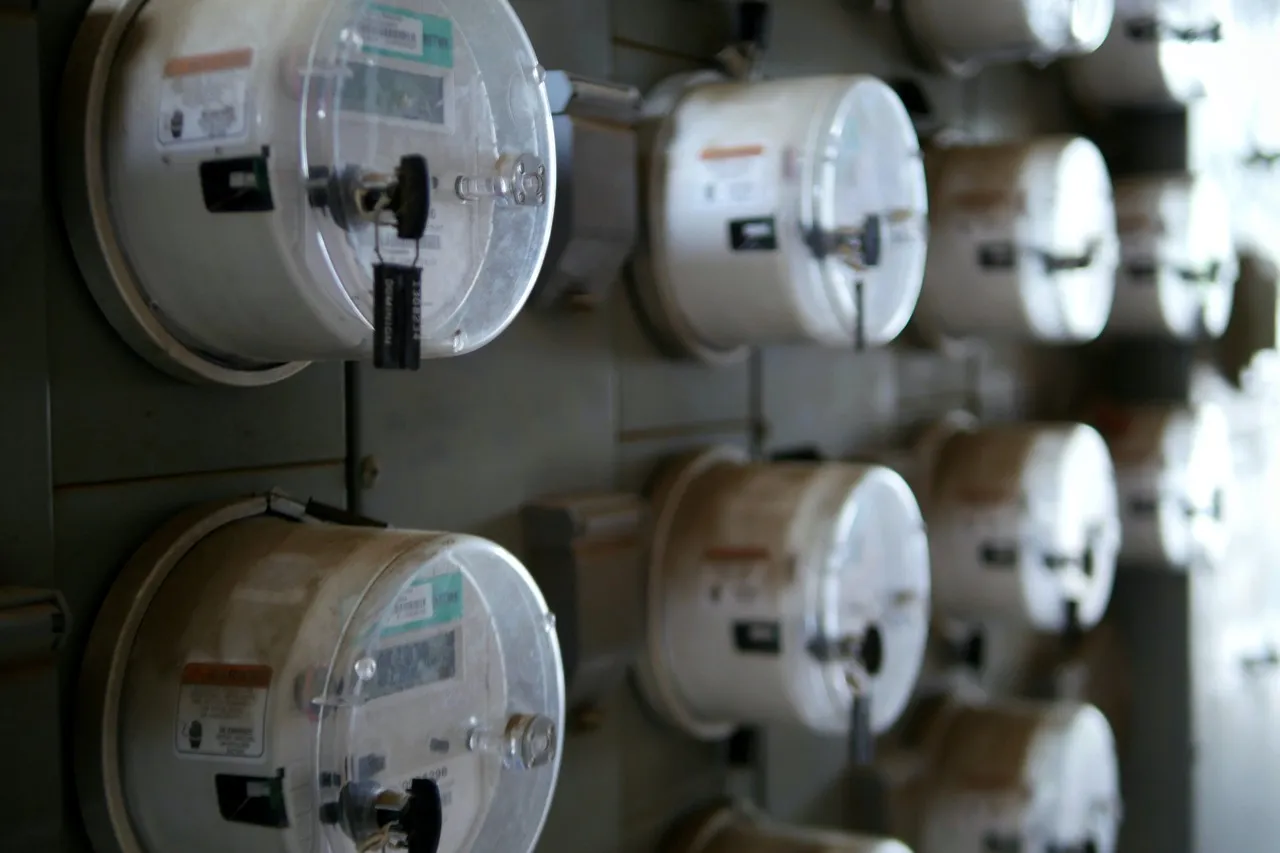
SSE Energy Supply billed Lyle Hopkins at business rates over more than 20 months for an unused electricity meter at unit 8b, an address that does not exist, then sent debt collectors after him. A company representative had emailed in June 2024 saying he was not liable.
On 17 July 2026 the County Court at Oxford, sitting at St Aldate, awarded Hopkins £1,087.88 including expenses and interest. The judge said the defendant had subjected Mr Hopkins to a rollercoaster ride and not a good one, and that pursuing him for that liability, if continued, would amount to harassment.
What the tools actually bought
Hopkins used GPT-5.5 and Claude Fable to research case law, check SSE's claims against company records and build his arguments. He reviewed the output for accuracy and manually confirmed that every case he cited existed.
That last clause is the whole story. Courts in several jurisdictions have sanctioned lawyers for filing documents citing cases that models invented. The difference between this outcome and those is not the model. It is that one litigant checked and the others did not.
The AI provided research assistance at a price he could afford, and he understood that he was responsible for verifying what he filed. It is a good demonstration of the tool working, and the discipline is not optional to the result.
The barrier was never the law
A claim for £1,091 is small, and the case against SSE was strong: it had billed for an address that does not exist and had already put in writing that he was not liable. Competent representation would have won it comfortably.
Such claims usually succeed because of arithmetic. Engaging a solicitor to defend a £1,091 claim costs more than the claim itself. The rational response is to pay, or to ignore it and wait for the debt collectors. Companies do not need to be right; they need the cost of resistance to exceed the amount in dispute.
The £175 in subscriptions changed that calculation. It did not alter the law or the facts. It made defending the claim cheaper than surrendering, which for many consumer disputes has not been true for a long time.
The cost was not £175
Reporting this as a £175 victory understates what it took, and Hopkins himself is the evidence.
His doctoral funding ended because of the time the case consumed, and he launched a fundraising campaign afterwards. SSE continued billing him after judgment. The monetary outlay was small; the cost in months of a person's life, against a company for which this was a routine collections matter, was not.
That asymmetry is the part AI does not touch. The tools compress research, and they do not compress hearings, correspondence, deadlines or the attention a case demands. Anyone reading this as a template should price the second column too.
Why an address that does not exist stayed on the system
The worrying detail for any utility is not the billing error, but that it survived contact with an employee who acknowledged it was an error.
A representative wrote in June 2024 saying Hopkins was not liable. Billing continued anyway, and the account still progressed to debt collection. This points not to one person's mistake but to a system where customer service and collections operate on separate records. Correspondence with one does not stop the other.
Utilities and telecommunications companies across this region run the same architecture, and it produces the same outcome: a disputed account that a representative has agreed to close continues to age, escalate and eventually appear as a default. The customer's evidence that they were told they owed nothing is an email, and the system that is chasing them has never seen it.
What it suggests about small claims
Small claims procedure in England, and in most common law jurisdictions including Singapore and Malaysia, is deliberately designed for litigants in person: simplified rules, limited costs recovery, judges who expect unrepresented parties.
The design has always assumed the individual can prepare their own case. In practice the research required — finding the applicable law, checking whether a term is enforceable, framing a claim correctly — has been the barrier, and it is precisely the part these tools do reasonably well. A procedure built for self-representation now has a research tool matched to it.
The risk on the other side is equally clear. The same tools generate confident, wrong citations, and a small claims court has no mechanism to catch that beyond the judge's own reading. More self-represented litigants arriving with model-assisted arguments will produce both better-prepared cases and a supply of fabricated authorities, and the courts have not decided how to handle the second.
The part that should not be lost
A company billed a customer for over 20 months at business rates for a meter at an address that does not exist, kept doing so after telling him he was not liable, sent debt collectors, and continued billing after losing in court.
The AI angle made this reportable, and the company's conduct made it a case. The judge's word for where it was heading was harassment.

View author profile → · Editorial policy