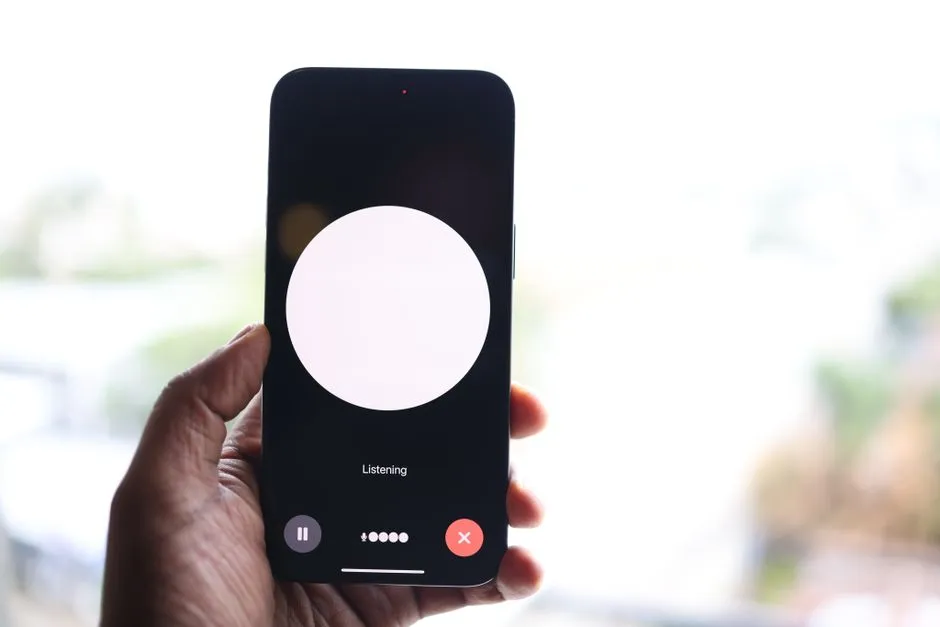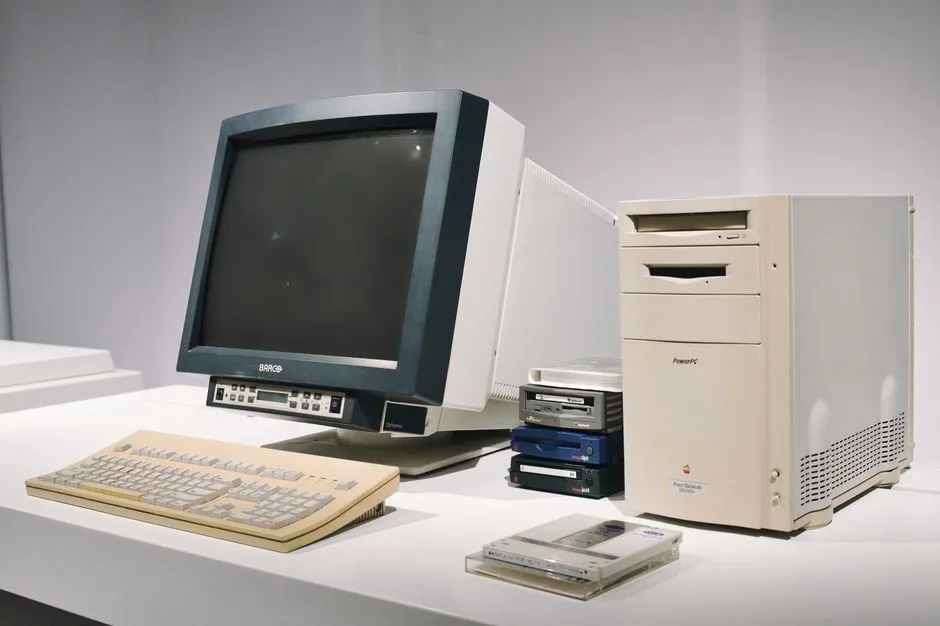
3 SEP 2026 — Reliance Jio has opened JioPC to any Indian internet user, streaming a virtual desktop with up to eight vCPUs, 16GB of RAM and 1TB of storage to machines as old as eight years, from ₹4,000 a year. It is being described as making old computers AI-ready and it has no AI accelerator. The compute is in Jio's data centre, which is thin-client computing with a new name.
What is on offer
JioPC launched in July 2025 for Jio broadband subscribers and became a standalone subscription on 2 September 2026, available to anyone with an internet connection in India.
Pricing runs from ₹1,000, about US$11, for two months; ₹4,000, about US$42, for twelve months with 8GB of RAM and 500GB of storage; and ₹5,000, about US$53, for twelve months with 16GB and 1TB. The top configuration offers up to eight virtual CPUs. The service works on computers up to eight years old.
India's installed base is more than 65 million machines, 34 million consumer and 31 million commercial as of 2025. IDC's Bharath Shenoy notes that replacement cycles for consumers and small businesses have lengthened from four to five years to five to six.
An AI PC and a PC that reaches AI are different products
The industry term AI PC means a machine with a neural processing unit on board, running models locally so that inference happens without a network and without sending data anywhere.
JioPC does the opposite. The old laptop becomes a screen and a keyboard; everything happens on Jio's servers, including whatever AI features the remote desktop offers. Nothing about the device changes, because the device is not doing the work.
Both architectures are legitimate and they solve different problems. Local inference offers privacy, offline capability and no recurring cost. Remote inference provides access to hardware the user could never afford, paid for by subscription. Calling the second one an AI PC borrows the language of the first, and the distinction matters most to the people least likely to know it.
The economics are good
None of that makes the offer bad. Forty-two dollars a year against a new laptop at several hundred is not a close comparison, and the alternative for most of that 65 million installed base is not a new machine — it is continuing on an eight-year-old one until it fails.
Lengthening replacement cycles say the same thing from the demand side. A household stretching a PC from four years to six is not waiting for a better product; it is deferring an expense. A subscription converts a large, irregular capital cost into a small, predictable operating expense, which is what this market needs.
There is a quiet security case for it as well. An eight-year-old machine is often running an unsupported operating system, and a thin client isolates the working session from that vulnerable local install. For a user base with no IT department, that is a significant improvement.
The dependency is the network, and Jio sells the network
A cloud PC requires a stable connection for every minute of use. Lose it and the machine is a machine again, with none of the work on it.
Jio is India's largest telecommunications operator, so the company selling the subscription that requires good connectivity is the company selling the connectivity. That vertical integration is the commercial logic: the cloud PC makes the broadband harder to leave, and the broadband makes the cloud PC work.
The customer's connection, compute and files all sit with a single supplier. Switching broadband provider means rethinking the computer as well, which is a dependency to understand before prepaying for a year.
Thin clients keep coming back, and keep not staying
This architecture has been tried under several names. The network computer of the late 1990s, Citrix and terminal services through the 2000s, Chromebooks and desktop-as-a-service since. Each arrived with the same pitch and none displaced the personal computer.
The reason has been consistent: local computing degrades gracefully on a poor network and remote computing simply stops. Every previous attempt was undone by latency that ruined typing, or by connections that dropped at the worst moment. The pitch has never been the problem; the last mile has.
What is different this time is that the important workloads have already moved off the device. A user whose documents, mail, meetings and increasingly whose AI tools already live on someone else's servers has less left to lose by moving the desktop too, which is a stronger position than any previous attempt started from.
Why this model fits this region and not others
The conditions that make JioPC sensible in India apply across much of Southeast Asia: a large installed base of old machines, a price-sensitive market, and mobile-first connectivity that is better than the household hardware attached to it.
What differs is the network. India's fixed broadband is improving quickly from a low base, and Indonesia, the Philippines and Vietnam have large populations whose main connection is mobile data with a cap. A cloud desktop is a continuous stream, and metered mobile data is the wrong pipe for it at any price.
We reported that Google is bundling image generation into Workspace, where it never has to be chosen. JioPC is the same distribution logic applied to hardware rather than software: the winning product is not the best one but the one already attached to something the customer has.

View author profile → · Editorial policy