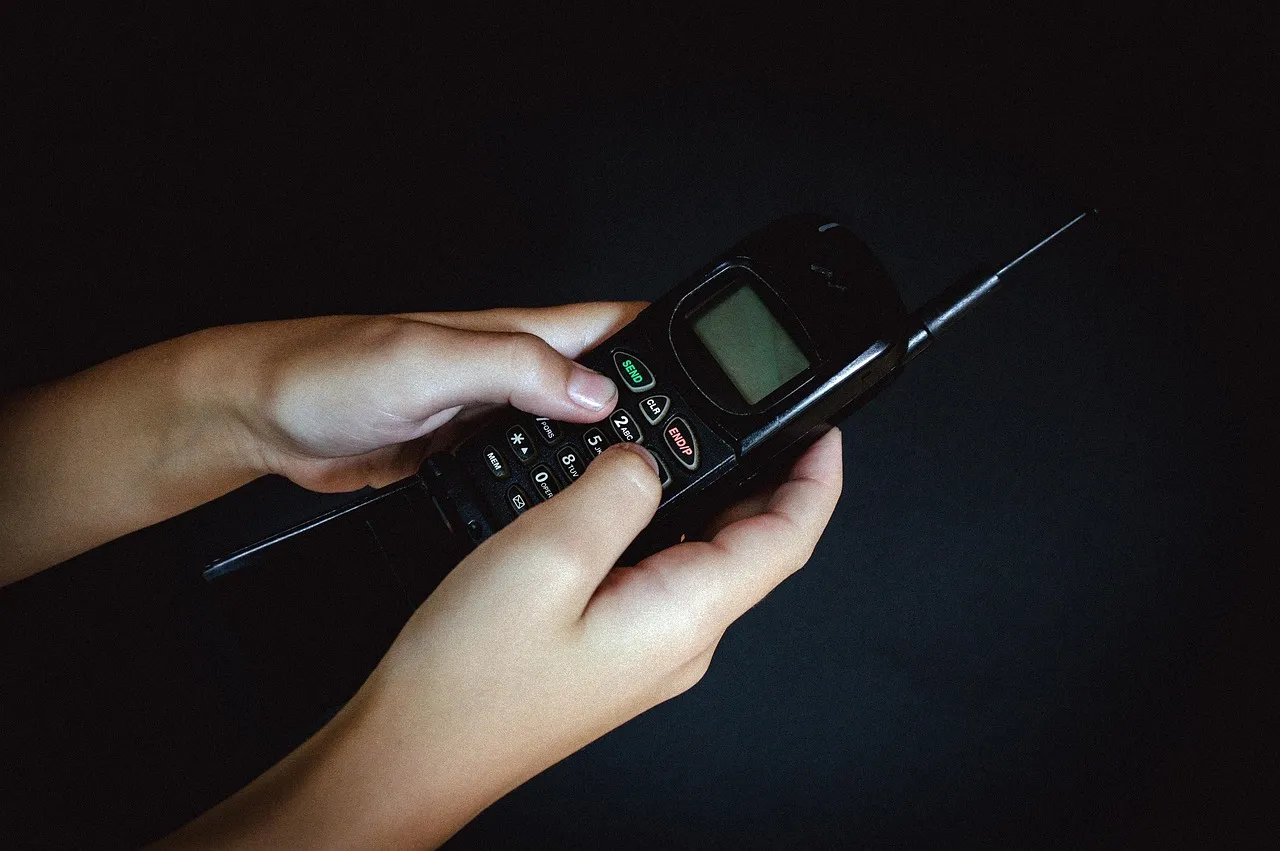
12 SEP 2026 — Five randomised trials across India, Kenya, Nepal, the Philippines and Uganda tested the least sophisticated education technology available: a phone call. Twenty minutes a week for eight weeks, one tutor to one child, produced roughly triple the learning gains of the average intervention tried during school closures, at eleven US dollars per child.
The result is published in Nature. It arrives in a year when the education technology conversation is almost entirely about AI tutors.
What was actually done
The intervention was simple: a tutor telephoned a primary-school child for twenty minutes a week to work on basic numeracy. The material was targeted to the child's actual attainment level, not their grade level. The programme ran for eight weeks during pandemic school closures.
Two design choices carry the result, and both are pedagogical. One-to-one contact means the tutor can hear where the child is stuck. Targeting content to the child's level, rather than the level their year group implies, is the difference between teaching and broadcasting in a system where a class spans several years of attainment.
The telephone is the delivery channel rather than the intervention, chosen because it already reaches the household.
Under three hours, in total
Twenty minutes a week for eight weeks is 160 minutes of contact per child. Less than three hours, spread over two months, against roughly triple the gains of the average intervention tried during the same closures.
Put that way, sheer effort does not account for the result. Three hours of anything is not enough time to teach a syllabus. It is enough time to find out what a specific child does not understand and work on that, repeatedly, which is what one-to-one targeted instruction is for and what a classroom of forty cannot do at any dose.
It also sets the benchmark for anything proposed as a replacement. The comparison a ministry should demand is not against doing nothing but against 160 minutes of a person's attention at eleven dollars. The intervention being measured has to beat that on gains per dollar, not on novelty.
The finding that matters for ministries
Gains were as large when governments delivered the programme as when non-governmental organisations did.
The most consequential line in the research is one that is easy to skim: gains were as large when governments delivered the programme. Interventions often work in a small trial run by their designers, only to fade at scale. A result that survives government delivery is a result that can become policy rather than a pilot.
For the Philippines, which is one of the five countries here, that is not an abstraction. It is a finding produced in the system that would have to run it.
A published null result sits against this
A separate trial complicates the picture. A study of live tutoring calls during the pandemic in Sierra Leone found no improvement in learning.
Same technology, same emergency, opposite result. That is not a reason to discount the five-country finding, but it is a reason to be specific about what is being claimed. What worked here was one-to-one calls with content targeted to the child's level, at a particular dose, in five particular systems. "Phone tutoring works" is a broader claim than the evidence supports, and the Sierra Leone result is what a reader should hold against anybody who makes it.
The useful question is what differed. The candidates are the targeting, the tutor training, the dose, the baseline attainment, or the delivery organisation. That is the research this result should prompt, and it matters more than another trial of the same thing somewhere else.
What eleven dollars buys
The eleven-dollar per-child cost makes this interesting outside an emergency.
Eleven dollars is inside the range a school system can fund from existing budgets rather than from a donor programme, which changes what kind of decision it is. Most educational interventions that work at all are priced such that scaling them requires new money, and requiring new money is how good evidence stays in a pilot.
It is also a useful benchmark to hold against the current generation of AI tutoring products, which are being sold into exactly these markets. An AI tutor has to beat a human being on the phone for twenty minutes a week at eleven dollars a child, which is a considerably higher bar than beating nothing. That comparison also has five randomised trials and a published null result behind it, where a chatbot has a demonstration.
Why the low-tech answer keeps winning
This result fits a recurring pattern.
Interventions that depend on a device the household must own, a connection it must pay for, and a literacy it must already have will reach the children who are already doing best. A voice call over a basic phone reaches almost everybody, including households with one shared handset and no data plan. Reach is a multiplier on effect size, and an intervention with a smaller effect that reaches everyone can beat a better one that reaches a third.
That is the calculation that keeps producing this result, and it applies with full force in parts of Southeast Asia where smartphone ownership is high but reliable data is not.
What to watch
Whether any of the five governments funds it beyond the trial. An eight-week emergency programme that works is not the same as a standing tutoring service, and the cost figure only matters if somebody puts it in a budget.
And whether the Sierra Leone divergence gets explained. Two credible trials of nearly the same idea reaching opposite conclusions is the most informative thing in this literature right now, and a system considering adopting the programme needs to know which side of that line it is on.

View author profile → · Editorial policy