JAKARTA, 13 AUG 2026 — Indonesia has put a number on its AI ambition, and the number is a gigawatt. Zankore, announced in Jakarta on 7 August by Indosat Ooredoo Hutchison with Ooredoo Group, Nokia and NVIDIA, is targeting 1 GW of AI computing capacity within three years.
For scale: Singapore, the largest data centre market in Southeast Asia, runs on roughly 1.46 GW of live capacity built up over two decades. Indonesia is proposing to add two thirds of that, for one workload, by 2029.
What was actually announced
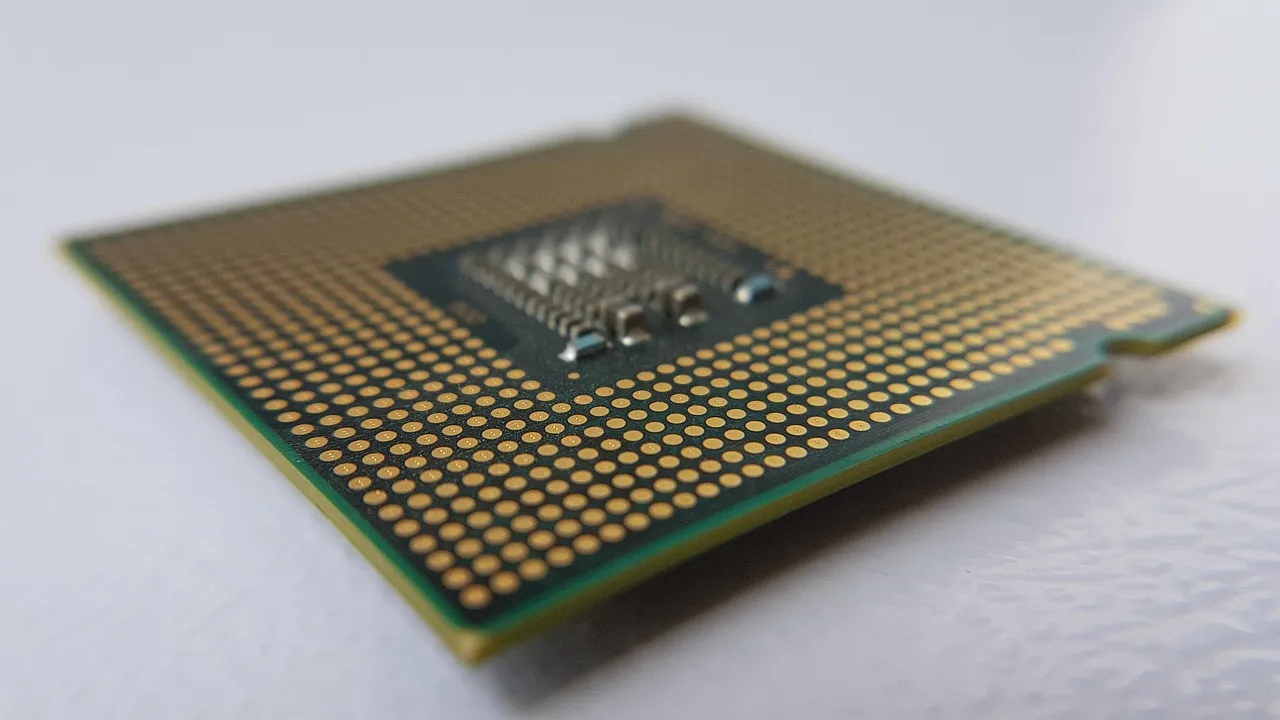
The first phase is about 200 MW, with construction starting in the first half of 2027 at Batang in Central Java. The plan specifies NVIDIA's GB300 NVL72 on the DSX reference architecture; NVIDIA claims an optimisation for that setup yields up to 40 per cent more compute inside the same power envelope.
Communications and Digital Affairs Minister Meutya Hafid framed it as strengthening Indonesia's position as a regional AI hub. The roles are conventional: Ooredoo Group is the lead investor and platform sponsor, Indosat provides local market access and execution, Nokia handles the networking, and NVIDIA brings the accelerators and the software stack. Citi advised Indosat and FTI Capital Advisors advised Ooredoo.
The money, and what it is not
The partners did not publish a total investment figure. The minister gave a unit cost of roughly US$50 million per megawatt of AI computing capacity, reported by the state news agency Antara.
Applied to the full target, that implies something near US$50 billion. That is arithmetic rather than an announced figure — one official's unit cost multiplied by an aspiration, and both halves can move. The 200 MW first phase works out to about US$10 billion, and that is the only part of the budget with a firm timeline.
Why Indonesia, and why now
The regional map explains most of this.
Singapore froze new data centre construction in 2019 and has only partially relaxed it since. That single policy did more to shape Southeast Asian digital infrastructure than any incentive scheme, because the demand did not evaporate — it moved across the strait to Johor, which absorbed the power-hungry end while Singapore kept the high-value connectivity and cloud layer.
Then Malaysia narrowed the door in turn. Prime Minister Anwar Ibrahim confirmed in February that applications unrelated to AI had been stopped, with approvals reserved for projects offering high-technology benefit. Malaysia is not short of data centres; it is now selective about which ones.
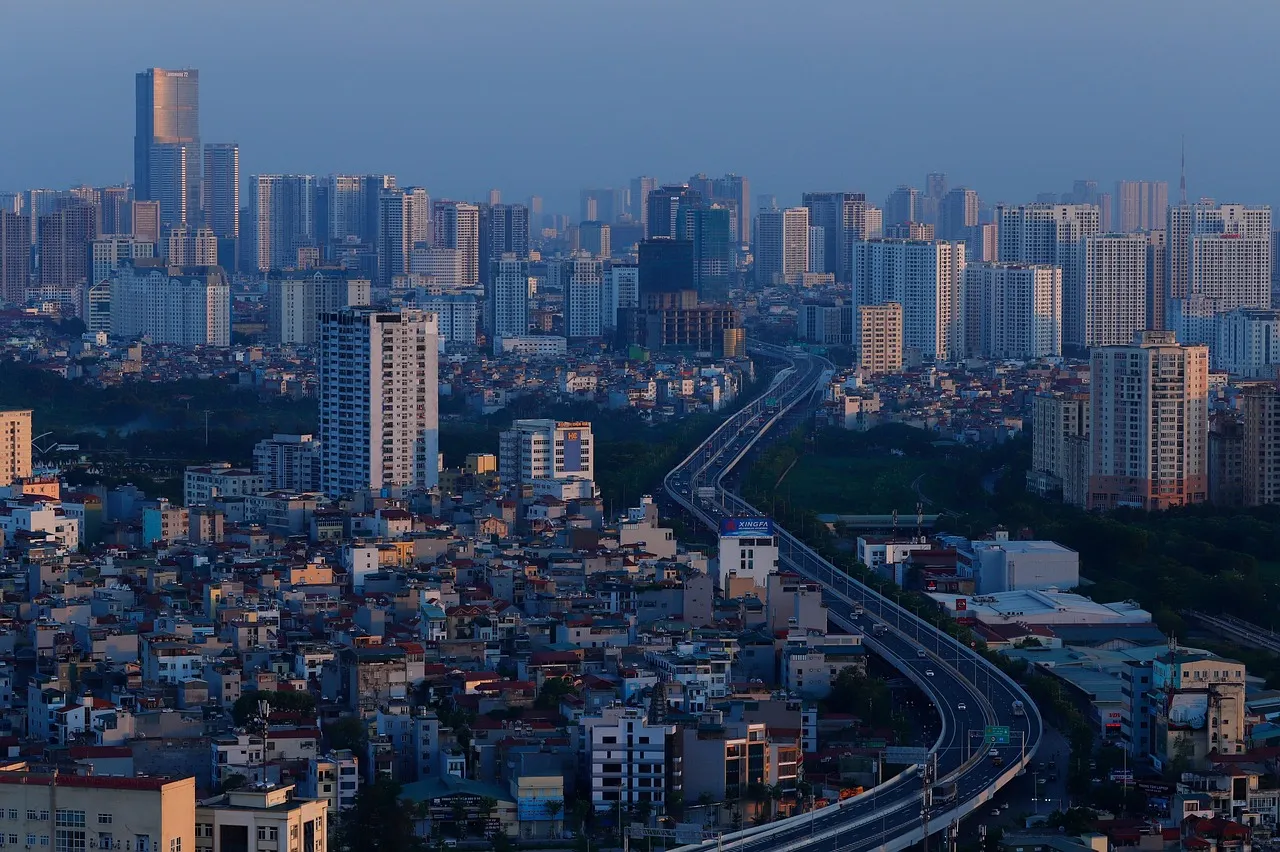
Indonesia is the next country in the sequence with land, population and generation capacity. Indonesia has the land, population and generation to be next in line. But being next is a starting position rather than a finished facility, which is why the timeline needs a careful read.
The constraint is electricity
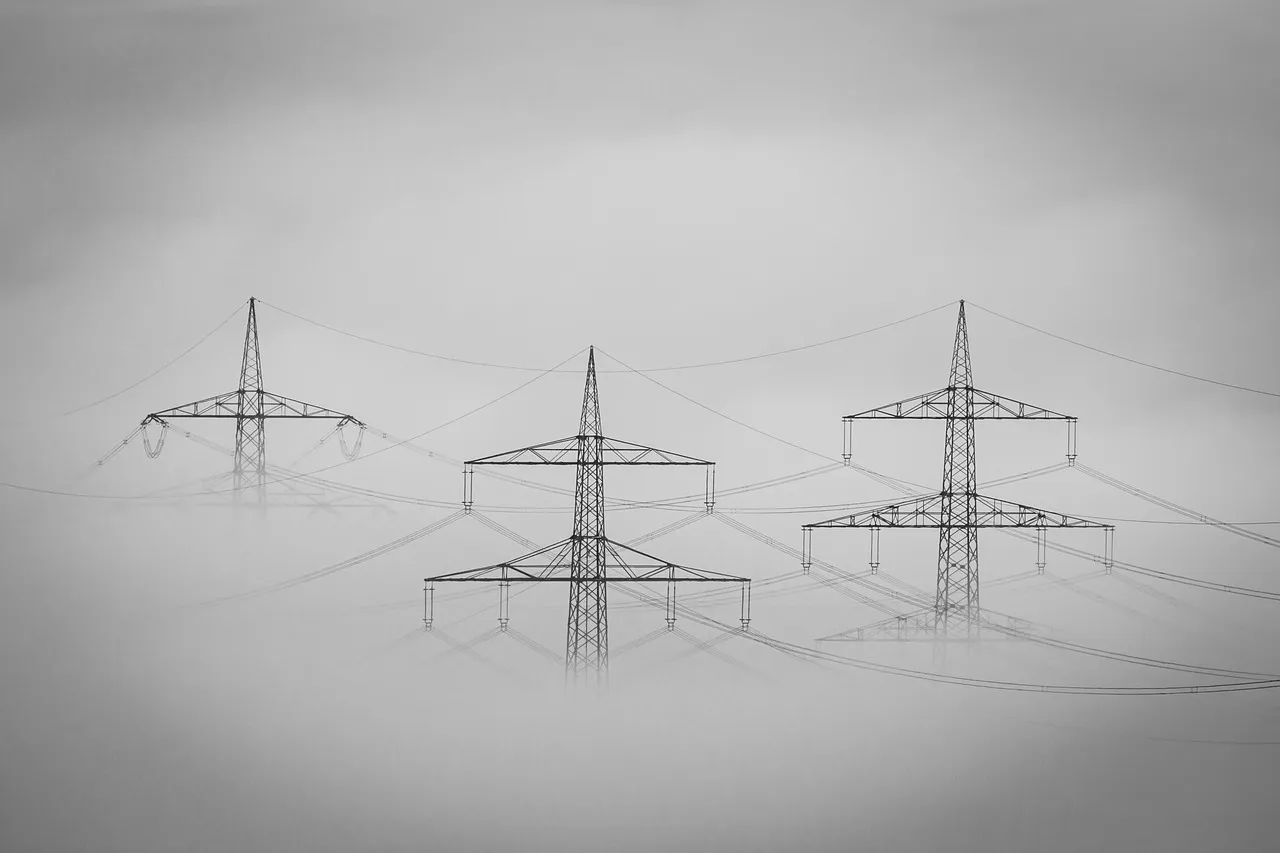
A gigawatt of AI capacity is a gigawatt of continuous demand, which is roughly a large power station running for one customer.
Central Java has the power, but not the right kind. Indonesia's grid remains heavily coal-fired, so any capacity added there is carbon-intensive unless it comes with dedicated generation of its own. Nothing in the announcement addresses how the power will be sourced, and that omission is the largest gap in it.
The social dimension has already arrived elsewhere in the region. In February, residents of Gelang Patah in Johor held Malaysia's first data centre protest, over dust, pollution and water. Batang is not Johor, but the pattern is familiar: a large industrial facility brings local disruption while the economic benefits are felt nationally.
The sovereignty layer is the interesting part
A gigawatt of rented capacity would be a real estate deal. The policy angle comes from what Indonesia plans to run on the hardware.
Sahabat-AI is an open-weight model of 70 billion parameters trained for Bahasa Indonesia and regional languages including Javanese, Sundanese, Balinese and Batak. It ships as part of the platform, with a token-as-a-service arrangement intended to make access cheaper than metered frontier models.
Separately, Indonesia's first GPU manufacturing facility is under construction at Cikarang in West Java, due to open in December 2026.
The strategy is clear enough: build domestic compute, models and part of the supply chain, so that the languages of the archipelago are served by something the archipelago controls. Whether 70 billion parameters is competitive in 2029 is a separate question from whether owning it matters, and for a government the second question is the one being answered.
The scepticism this deserves
Announced capacity is not energised capacity. The regional pipeline is full of megawatts that exist in press releases, and the honest way to track any of these projects is against the first phase rather than the headline.
For Zankore that means: roughly 200 MW, construction beginning in the first half of 2027, at Batang. If that lands on time it is a serious project. The 1 GW is a direction of travel that depends on three years of GB300-class supply, financing that has not been disclosed, and grid capacity nobody has itemised.
There is also a cost headwind running underneath all of this. As we reported this week, memory prices have risen sixfold in a year and are forecast to reach twelve times, with normalisation hoped for in 2029. Every one of these builds is being costed into that market. A unit price quoted in 2026 for hardware installed in 2028 is an estimate carrying an unusual amount of commodity risk.
What it means if you are buying
For enterprises across ASEAN, this is not about nationalism. It is about having another option. A third serious regional supplier — after Singapore's constrained market and Malaysia's selective one — is worth having, particularly for workloads with data residency requirements that currently force an awkward choice.
The date to plan around is the second half of 2027 at the earliest, and that is for first capacity, not steady state. Anything that needs Indonesian-resident inference before then still needs a different answer.
What to watch
Whether the power purchase arrangements are published. Until they are, the 1 GW figure describes an intention rather than a plan.
Whether the Cikarang GPU plant opens in December as scheduled. It is the smaller commitment and the nearer date, which makes it the better early indicator of whether this programme executes.
And whether Sahabat-AI gets used. An open-weight national model is straightforward to announce and difficult to make anybody's default. Adoption inside Indonesian government and enterprise is the measure that will separate this from the other sovereign-AI announcements of the past two years.