ROUBAIX, 11 AUG 2026 — OVHcloud is raising server rental prices by up to 87 per cent, and the reason is memory. Chief executive Octave Klaba set out the arithmetic in public: the price OVH pays for RAM has risen sixfold in the year to June, will be nine times by September, and twelve times next year.
This is the AI datacentre buildout arriving on somebody else's invoice. The hyperscalers are buying memory at a scale that has repriced it for everyone, and a French hosting company with a lot of small customers is where that shows up first.
The numbers
Klaba published them on X rather than in a press release. The register is that of a supplier explaining a cost shock to its customers rather than a company announcing a strategy.
Existing customers renewing get increases three to six times smaller than new orders — a deliberate choice to protect the installed base and load the cost onto new business.
Klaba's own line is unusually plain: "It's very frustrating to increase prices for a player like OVHcloud, because we make a lot of effort to be as relevant as possible on prices."
Why memory and not chips
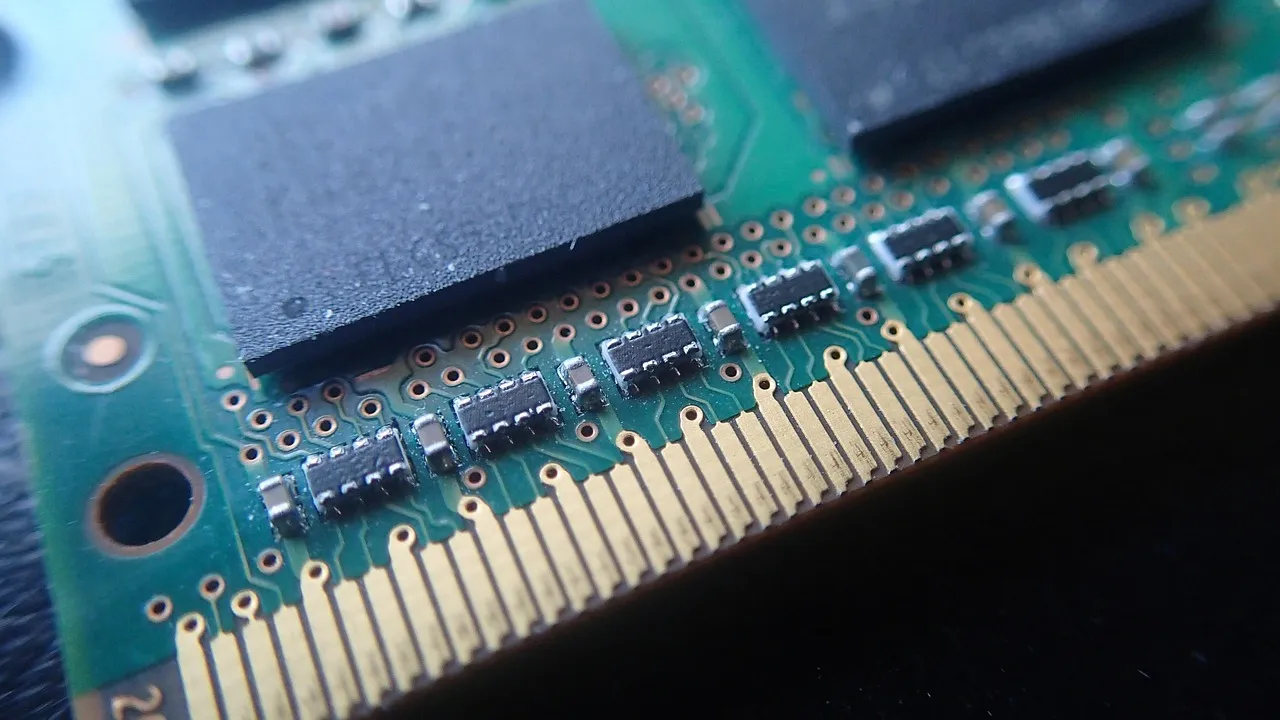
The instinctive assumption is that an AI shortage means GPUs. The constraint here sits lower down the bill of materials, in the commodity DRAM and NVMe underneath everything.
Memory is a classic cyclical commodity made by a very small number of manufacturers, on fabs that take years to build and are not built speculatively. When a new source of demand arrives that is both enormous and price-insensitive, it does not merely take the spare supply. It sets a new clearing price for everybody, because the marginal buyer is now somebody for whom memory is a rounding error against the value of the model being served.
A hosting company renting a €40-a-month server has no such headroom. It has to pass the cost on or stop offering the product.
Who actually pays
The incidence of this price rise is upside down.
The price rise affects organisations inversely to their role in causing it. The hyperscalers driving demand are least affected. The ones paying most, proportionally, are the small businesses, developers, and hobbyists on modest VPSs who chose OVH for its low prices and have the least room to absorb a 40 to 87 per cent increase.
It is a transfer, and not one anybody decided on. Nobody set out to make small hosting more expensive to make large models cheaper.
How long
The most useful forward-looking number in the announcement is OVH’s own forecast: "We believe that this situation will last until 2028, with a return to normal hoped for in 2029."
"Believe" for the shortage, "hoped" for the recovery. That is a company telling you it has visibility into the constrained period and none into the other side of it.
Three years is long enough that treating this as a blip is a planning error. If your costs are memory-shaped, they are now structurally higher until roughly the end of the decade.
What to do about it
Renew before September if you are on an OVH contract and the smaller renewal increase applies to you. That is the one time-limited action here.
Then audit what you are actually paying for. Memory is the component repricing hardest, so the cheapest optimisation available has moved from CPU efficiency to RAM footprint. An application that idles on 8 GB because nobody ever measured it is carrying a cost that has quietly risen sixfold at the supplier and is now arriving at the invoice.
And treat any multi-year hosting quote that assumes flat pricing with suspicion, in either direction. Providers who have not repriced yet are either absorbing the cost or have not reached their renewal cycle.
What to watch
Keep an eye on whether the hyperscalers raise their own prices. So far the cost has surfaced where margins are thinnest, at the small end of the market. The shortage will have stopped being absorbable if it starts showing up in the large clouds' list prices.
Watch if other providers follow with comparable arithmetic. OVH published specific multiples; competitors who raise prices without showing their work should be treated sceptically.
And whether memory fab investment responds. Twelve times is the kind of price signal that builds factories — but a fab announced now produces in 2029, which is precisely the year OVH hopes things normalise.
View author profile → · Editorial policy