FORTALEZA, 19 AUG 2026 — ByteDance has begun construction of a data centre campus at Pecém, in the Brazilian state of Ceará, under a programme reported at around 200 billion reais through 2029 — roughly US$38 billion to US$40 billion. It is the largest infrastructure commitment the company has made outside China.
The site is planned for about 200 megawatts of initial IT capacity across 20 halls, expanding toward roughly 1 gigawatt, with operations expected from late 2027.
The project
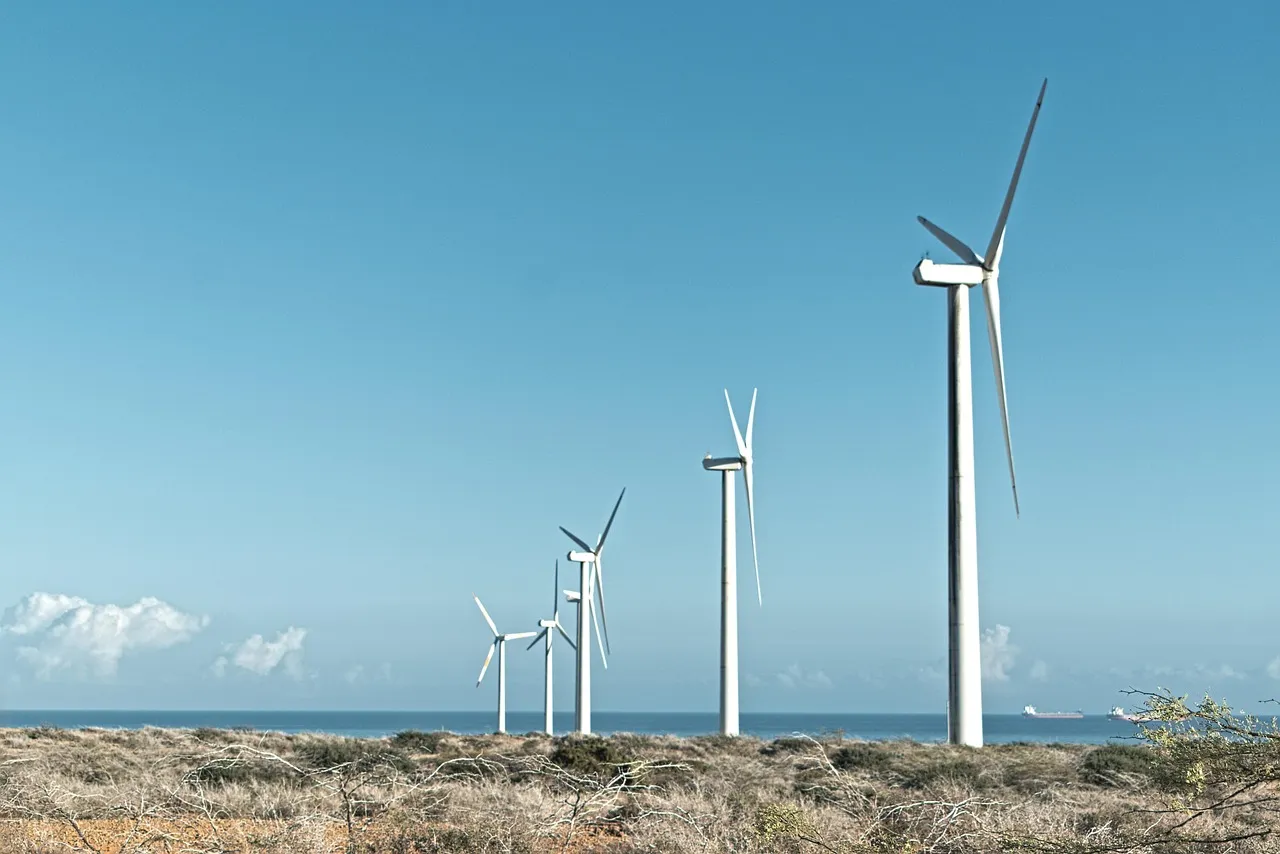
Power is contracted rather than assumed. Omnia, the entity developing the campus, has secured a 20-year power purchase agreement worth about US$2 billion with Casa dos Ventos, the Brazilian renewables developer, for 100 per cent renewable wind supply.
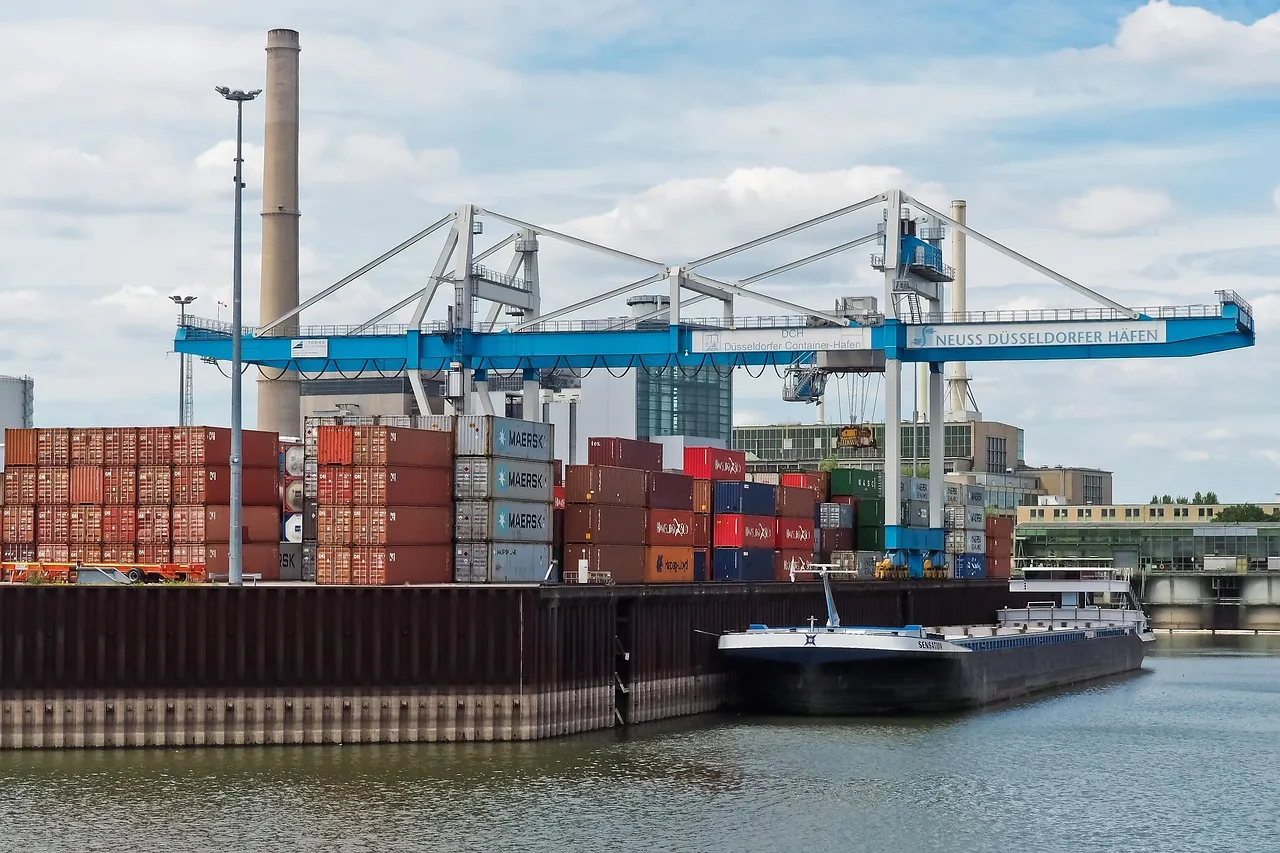
Pecém itself is an established industrial complex with a deepwater port and an export processing zone, and it has been positioning itself as a green hydrogen hub. Ceará's attraction is a combination of abundant wind resource, coastal landing points for submarine cable and an industrial planning apparatus already used to very large projects.
Why Brazil, and why now
The obvious reason is power. A gigawatt-scale campus needs a grid that can supply a gigawatt of renewable generation at a price that holds up for two decades. Brazil's north-east has the best onshore wind in the southern hemisphere and a grid built to handle it.
The jurisdictional angle is less obvious but just as important. For a Chinese company building long-lived infrastructure, the choice of country is a bet on political stability. Brazil is a large economy with a functioning regulatory system, a history of accommodating Chinese investment in energy and telecommunications, and no participation in export controls aimed at Chinese technology firms.
The location also serves Latin America's population from inside the region, which matters for latency and increasingly for data-residency requirements that regulators across the continent have been tightening.
Contrast this with Southeast Asia.
The scale here dwarfs anything announced in this region, and the reason is instructive.
Recent regional commitments run in the hundreds of megawatts. We reported on Indosat and Zankore's gigawatt-scale ambition in Indonesia and on CoreWeave's 360 megawatt Indonesian programme. Both are large by regional standards and neither carries a twenty-year renewable supply contract of this kind, because that product is hard to buy here.
That is the structural difference. Southeast Asia has excellent solar resource and comparatively little wind, land is expensive near the demand centres, and in several markets a single state utility is the only counterparty for a long-term power contract. Corporate renewable procurement is possible in Malaysia, Vietnam and the Philippines with effort, but nowhere in the region can a developer sign a twenty-year, gigawatt-adjacent, entirely renewable supply agreement as a routine commercial transaction.
Brazil can. That capability has become a location factor as important as connectivity or tax treatment. Regional planners tend to treat renewable supply as a sustainability goal, something bolted on after a site is chosen. For a project this size, it is the siting decision.
What the power contract really buys
A twenty-year power purchase agreement, unlike a green tariff or a certificate purchase, fixes the largest operating cost of the facility for its economic life.
Compute infrastructure is unusual in that electricity, not labour or land, is the dominant recurring cost, and it is the one most exposed to political and market volatility. A developer who has contracted that cost for two decades has removed the main variable from a multi-billion-dollar model, which is what makes a commitment of this size financeable in the first place.
It also transfers risk in the other direction. Casa dos Ventos has a twenty-year buyer for a large block of generation, which is precisely the assurance that lets a renewables developer raise debt and build. Contracts of this shape are what built the north-east Brazilian wind fleet in the first place.
The number to be careful with
Two hundred billion reais through 2029 is a programme figure, not a construction budget for this campus, and the two get conflated in coverage.
Announced investment programmes of this kind typically bundle capital expenditure, operating commitments, equipment purchases and expansion options across several years and sometimes several sites. They are also announced in a political context: a headline number is useful to a state government seeking investment and to a company seeking regulatory goodwill, and it commits nobody to a schedule.
The verifiable figures are the ones tied to physical assets and contracts. Twenty halls, 200 megawatts of initial IT capacity, a signed US$2 billion power contract, and a late 2027 operational date can all be checked against construction progress. The 200 billion figure is not.
For the buyer of compute, there is a corollary. If gigawatt-scale capacity follows twenty-year clean power contracts, then the physical map of AI is being drawn by electricity markets, not by proximity to users. That is fine for training, which is latency-indifferent and can run anywhere. It is a problem for any service that needs to answer a user in milliseconds while complying with data-residency rules. That tension will drive the next round of siting decisions in other regions.
What we could not establish
The workload. A campus of this size built by ByteDance could serve recommendation and content delivery for its consumer platforms, model training, external cloud capacity, or a combination, and the answer determines almost everything about who else it affects. Training capacity in Brazil is a statement about the global distribution of AI compute; content delivery infrastructure is a statement about Latin American user growth.
Also unestablished: the phasing and capital cost of the campus itself as distinct from the programme total; what incentives Ceará or the federal government provided; whether hardware procurement is affected by export controls on advanced accelerators; grid connection terms and how the wind supply is firmed when it is not windy; water use and cooling design; and construction and permanent employment figures.
What to watch
Watch whether the wind contract is followed by firming arrangements. A hundred per cent renewable supply agreement covers energy over a period; a data centre needs power every second. How that gap is closed — storage, grid services, or a fossil-fuelled backstop that is not in the announcement — is where the sustainability claim is actually settled.
Then watch whether other hyperscale operators follow into north-east Brazil. One project can be idiosyncratic; three would establish the region as a global siting destination and would pull the associated supply chain with it.
Finally, watch what this does to regional thinking. If long-term renewable contracting is the factor that wins gigawatt-scale projects, the useful response in Southeast Asia is not another incentive package but a market in which a twenty-year clean power contract can be signed at all.