ROCKDALE, TEXAS, 13 AUG 2026 — Anthropic has signed a 20-year lease for 191 megawatts of computing capacity at a Texas site built to mine bitcoin. The base contract is worth US$9.1 billion and runs to June 2048.
Riot Platforms' shares rose more than 20 per cent in pre-market trading. The share price is not the interesting part. What Anthropic actually bought is.
The transaction
Riot projects cumulative net operating income of US$7.3bn to US$8.2bn over the base term. For a company with US$113.7 million in quarterly bitcoin mining revenue, a contract this size is not diversification. It is a change of business.
The financing tells the same story. Riot has been selling its monthly bitcoin production and drawing down its treasury to fund the datacentre buildout, taking holdings from 15,680 BTC to 11,380 during the quarter. The company is liquidating the asset it was built to accumulate in order to become a landlord.
What Anthropic bought
Read the deal from the tenant's side and it clarifies what is scarce.
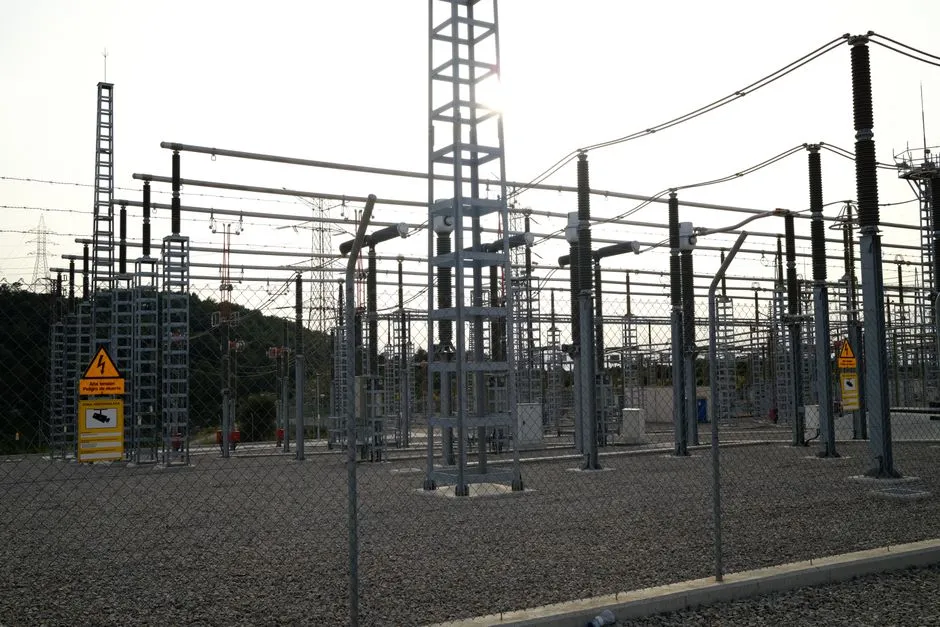
Anthropic did not buy chips, operator expertise, user proximity or a network. It bought 191 megawatts of grid-connected power on land already zoned and built for continuous, high-volume electricity draw.
That is the whole thesis of the bitcoin-to-AI pivot. Mining companies spent a decade acquiring exactly one thing of durable value — interconnection agreements at sites where power is cheap — while treating it as a means to an end. The end turned out to be worth less than the means.
A 20-year term underlines it. Nobody signs a lease to 2048 for hardware; the accelerators in that building will be replaced four or five times over. The lease is for the electricity and the right to use it.
The fourth data point this month
This is now a pattern, not an anecdote.
| Story | What turned out to be the constraint |
|---|---|
| OVHcloud, +87% prices | Memory. RAM up sixfold in a year, forecast to twelve times. |
| Foxconn Q2 | Advanced packaging. Its own chief executive says CoWoS, not floor space, caps 2027. |
| Indonesia's Zankore | Power and hardware supply, for a gigawatt that starts building in 2027. |
| Riot and Anthropic | Energised, interconnected sites. Bought at US$9.1bn for 191MW. |
None of these is a shortage of money or of demand. Every one is a physical input with a lead time measured in years, sitting upstream of whoever is doing the selling.
The Riot deal prices one of them unusually clearly. Roughly US$48 million per megawatt over twenty years, for the site alone — no chips, no servers, no operator. Compare that to the figure Indonesia's communications minister gave for Zankore, about US$50 million per megawatt for everything, and one of those two numbers is wrong or the two are describing different things. We think the latter. That gap is important context for any new capacity announcement.
The consequence nobody in either industry is planning for
The most consequential part of this story has not been reported alongside the share price.
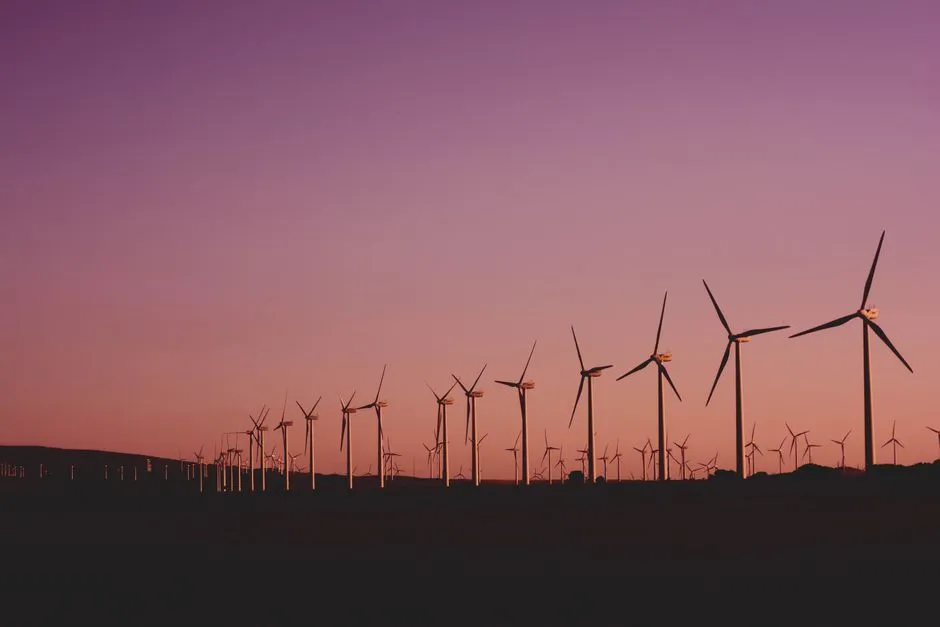
Bitcoin miners are the Texas grid's emergency brake. ERCOT built its large-customer curtailment arrangements substantially around crypto facilities, because a mining site can be switched off in minutes on a hot afternoon and the only cost is forgone hashrate. During recent demand crises, that voluntary curtailment helped keep the grid up, and Rockdale — this site — was among those earning power credits for it.
An AI tenant does not switch off. A lease of this kind carries uptime commitments, and a company running training or inference on a twenty-year contract has not agreed to be interrupted when the weather turns.
The conversion adds firm demand to the grid while simultaneously removing flexible demand from the same site. The curtailable share shrinks exactly as total load grows.
Neither industry is responsible for managing that. The miners are following the revenue, which is what companies do, and the AI tenants are buying the reliability they need. But the aggregate effect is that a mechanism ERCOT has come to rely on is being sold off one campus at a time, and the buyers have no reason to preserve it.
What this does to the miners
Riot is not alone; the market treated the news as sector-wide, with IREN, Applied Digital and TeraWulf all moving on the announcement. Bitdeer has its own AI contracts. Anthropic separately signed a reported US$10 billion agreement with Volta Infra for Norwegian capacity.
For the mining industry, the appeal is obvious: revenue that does not move with the bitcoin price. A 20-year lease is a bond; hashrate is a lottery ticket priced in a volatile asset. Any board would take the first.
The risk is on the other side of the same trade. A miner that converts its sites to AI hosting has traded exposure to the bitcoin cycle for exposure to a single tenant's demand for compute over two decades — and that tenant is a company that did not exist ten years ago, in a market whose growth rate nobody can underwrite to 2048.
Diversification would be running both. What is happening is closer to a swap.
What it means from here
For anyone procuring capacity in ASEAN, the transferable lesson is that the queue you are in is for electricity, not equipment. A regional operator promising delivery in 2027 is making a claim about grid connections and substations, and those are verifiable — ask which interconnection agreement, at which substation, for how many megawatts, and whether it is energised or applied for.
The US$9.1bn lease also signals a clear preference in the build-versus-buy calculation at the frontier. A lab with Anthropic's capital chose a twenty-year lease over building its own site, which is a statement about how long permitting and interconnection now take. If the fastest route to power for one of the best-funded companies in the sector is to rent somebody else's decade-old mining campus, the constraint is not capital.
What to watch
Whether the December 2027 milestone lands. That is 96MW, the first real test of whether a mining campus converts to AI hosting on schedule — the cooling, density and reliability requirements are not the same.
Whether any miner keeps mining. If the sector converts wholesale, bitcoin's hashrate distribution changes as a side effect of the AI buildout, which is a consequence nobody in either industry is planning for.
And whether these leases start being disclosed per megawatt. The market is now large enough that a comparable price would tell everyone what capacity actually costs — and the absence of one is the reason announcements like Zankore's can quote a figure nobody can check.