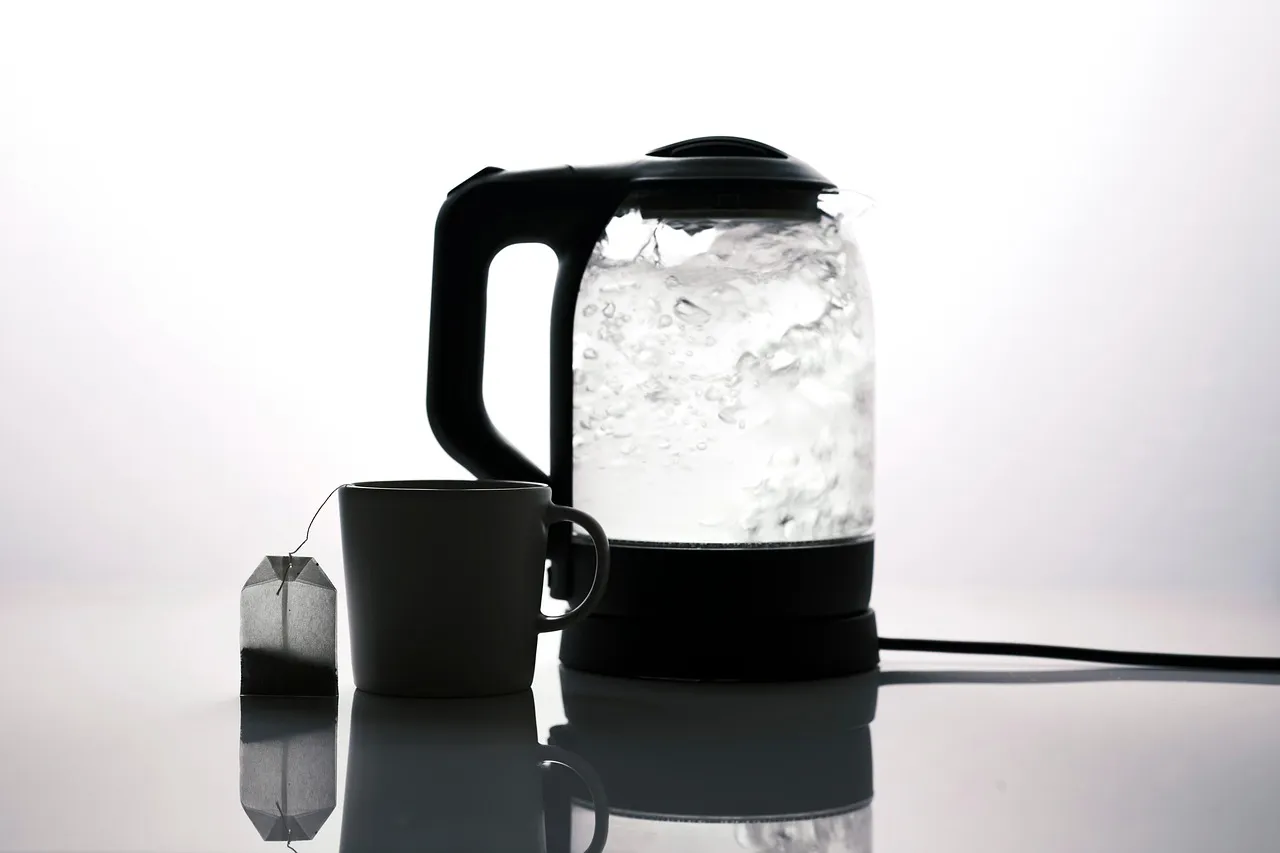
Kettles and multi-plug adaptors sold in Singapore carry a small logo with an eight-digit number, the SAFETY Mark. Power banks never do.
The mark is only issued for a fixed list of product categories, power banks are not on the list, and the regulator states outright that no power bank receives one.
The list is short and specific
The Consumer Protection (Safety Requirements) Regulations name the products that need the mark, which the law calls Controlled Goods. There are 33 categories:
audio and video products · fans · gas cooking appliances · 3-pin mains plugs · 3-pin portable socket-outlets, including cable reels · mains socket-outlets · water heaters · stationary cooking appliances · hair care appliances · liquid heating appliances · toasters, grills, roasters, hot plates and deep fryers · lamp control gear · air coolers · AC adaptors · coffee makers, slow cookers and steamboats · decorative lighting chains · home computer systems · irons · microwave ovens · kitchen machines · refrigerators · rice cookers · room air-conditioners · table or standing lamps · vacuum cleaners · washing machines · LPG hoses, regulators and valves · gas canisters of 1.4 litres or less · fuses for 13 A plugs · multi-way adaptors · domestic electric wall switches · RCCBs · isolating transformers for downlight fittings
Every entry on the current schedule carries the same effective date, 15 January 2018. The regulator groups them as four low-risk, twenty-three medium-risk and six high-risk categories, which decides how each is certified.
An appliance with a 3-pin plug needs the mark twice. Plugs are a category in their own right, so the regulator says such products should carry "two SAFETY Marks on them. One on the appliance and another on the plug."
What the mark tells you
The regulator's description is about safety testing and nothing else:
"The SAFETY Mark must be affixed on Controlled Goods that have been tested and certified to be compliant with the relevant safety standards, before they can be supplied in Singapore. It indicates that the Controlled Goods are likely to come with internal safeguards to protect against fire and electrical hazards."
Performance and durability are outside its scope, and the regulator's pages never present the mark as a sign of quality. A marked rice cooker has been tested against fire and electrical hazards; whether it makes good rice is a separate question.
The mark also carries an eight-digit certification number traceable to the registered supplier, which anyone can check against the regulator's public register. Registration lasts three years, and a product whose mark shows as expired is still compliant if it was bought from a retailer before the expiry date.
Power banks: not a Controlled Good
The regulator's page on power banks is unambiguous:
"There is no "CPSO‑approved" or "CCS‑approved" power bank, and power banks are not issued the SAFETY Mark."
They are regulated, but under a different set of rules, with required safety standards and no pre-market mark. The government has said it is looking at changing that: in a written parliamentary reply on 5 May 2026, the Minister said it "is currently assessing the requirement for power banks to be listed as a Controlled Good." No timeline was given, and the schedule has not changed.
So a listing claiming a power bank is "Safety Mark approved" is claiming something that cannot exist.
Phone chargers: usually on the list
This is where the common assumption runs the other way. A wall charger for a phone looks like it should fall outside a list of household appliances, but the schedule's "AC adaptor" category is defined as a device rated at no more than 250 volts AC "designed to supply a.c. or d.c. power for applications such as computers, telecommunication equipment, home entertainment equipment or toys." The regulator confirms that power adapters are "also generally referred to as AC adapters, AC/DC adapters or chargers" and must carry the mark.
A mains USB charger sold without the mark is therefore not a legitimately unmarked product. It is non-compliant.
That reading covers chargers that plug into the mains. A car charger or a bare USB cable does not meet the definition, though the regulator does not spell out that exclusion itself.
Everything else still has rules
Products off the list have their own rules. The Consumer Protection (Consumer Goods Safety Requirements) Regulations 2011, in force since 1 April 2011, require general consumer goods to meet recognised international, European, American or national safety standards, and they expressly exclude the Controlled Goods so the two regimes do not overlap.
The difference is when the regulator acts. Controlled Goods must be certified before they can be sold. Other goods are dealt with afterwards: the regulator can declare a product unsafe or direct a supplier to stop, and the offence arises from continuing after that.
Who enforces it now
Older material may name a different regulator. The Consumer Product Safety Office was part of Enterprise Singapore; since 1 July 2025 product safety has sat with the competition and consumer authority, and the office's own pages now describe it as the CCS Consumer Product Safety Office. References to SPRING Singapore are older still — SPRING became part of Enterprise Singapore in 2018.
What the penalties are
Supplying or advertising Controlled Goods without registration and the mark is an offence carrying a fine of up to $10,000, up to two years' imprisonment, or both. Failing to register as a supplier, misusing the mark, or ignoring a recall order carries up to $2,000, twelve months, or both.
Online listings are a large part of enforcement. Enterprise Singapore reported that the office removed more than 6,900 listings of unregistered Controlled Goods in 2024 across Amazon, Carousell, Lazada, Qoo10, Shopee and TikTok.
The regulator's guidance describes a consumer who buys an unregistered Controlled Good as "doing so at their own risk" — the offences are framed around supplying and advertising, not buying. Whether an overseas seller shipping directly can be prosecuted is not settled by anything the regulator has published, and is not claimed here.
How much the mark can tell you
The mark records that a product in a listed category passed specified safety tests before sale. For anything outside those 33 categories, its absence carries no information about safety at all.
What to do with it
Kettles, adaptors, extension sockets and wall phone chargers should all carry the mark, and its number can be checked on the regulator's register before buying, which matters most when the seller is online.
Power banks need a different check: the product's stated compliance with the required safety standards and a seller you can trace. A listing that calls one "Safety Mark approved" deserves suspicion.
Where this comes from
The list of Controlled Goods, the AC adaptor definition and the offences are from the Consumer Protection (Safety Requirements) Regulations and the Consumer Protection (Trade Descriptions and Safety Requirements) Act on Singapore Statutes Online, current versions as at 17 September 2026. The general rules for other goods are from the Consumer Protection (Consumer Goods Safety Requirements) Regulations 2011. The regulator's descriptions are from the Consumer Product Safety Office's pages on the SAFETY Mark, power banks, power adaptors and its consumer FAQ, updated between May and June 2026. The parliamentary reply is from the Ministry of Trade and Industry, and the takedown figure from Enterprise Singapore's release of 28 March 2025.
The schedule has 33 numbered rows, which matches the regulator's own count. Its text names AC adaptors, multi-way adaptors and rice cookers, and nowhere mentions power banks, batteries, chargers or USB.

View author profile → · Editorial policy