
Freed
Ambient AI scribe built for solo clinicians, not hospital procurement
Overview
Freed listens to patient visits and turns them into structured clinical notes with ICD-10/CPT suggestions, patient instructions, and one-click EHR copy-paste. Aimed at independent doctors and small clinics rather than enterprise health systems.
Pricing
Pricing shown for reference only. These figures reflect RECATOOLS research as of 3 Sep 2026 and may be out of date or incomplete. This is not financial or purchasing advice — always confirm the current price on the provider’s official website before making any decision.
- Up to 40 notes/month
- Unlimited notes
- AI editing assistant
- EHR push via Chrome extension
- ICD-10/CPT code suggestions
- Visit summaries
What you can produce with Freed
- Ambient transcription of patient visits
- Structured clinical note generation
- ICD-10/CPT code suggestions
- One-click EHR push via Chrome extension
- Patient instructions and visit summaries
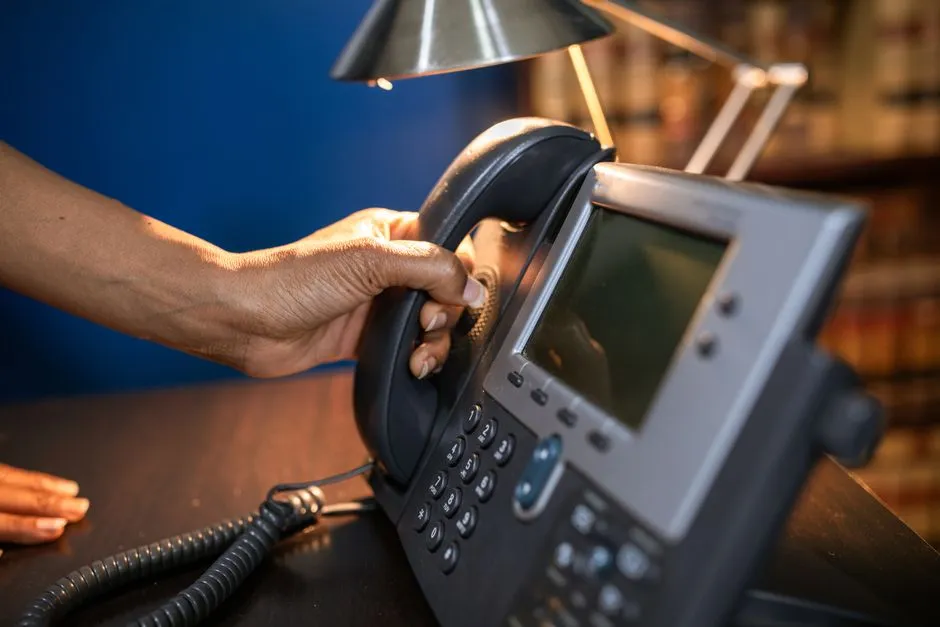
- AI front-desk / call-to-appointment feature
- HIPAA-compliant, SOC 2 Type II certified
- No stored patient audio recordings
Freed's pitch is simple: sign up with a credit card, no IT department required, and start getting usable notes the same day. That's what separates it from enterprise scribes sold through hospital procurement cycles. Clinicians consistently report real time saved charting, and the company says over 25,000 clinicians and 1,000+ organizations use it.
The catch is the tiered pricing: the $39 Starter plan caps out at 40 notes a month, which is nowhere near enough for a full patient panel, so most solo doctors end up on Core ($79) or Premier ($119) to get unlimited notes and EHR push. Note formatting can drift slightly between encounters. It's US-centric with HIPAA/SOC 2 framing and no public developer API, so it's built for a clinician clicking a button, not a team building on top of it.
What people say
Freed launched in 2022, founded after co-founder Erez Druk watched his physician wife chart late into the night, and has grown into one of the more visible names in ambient clinical documentation. The company now claims over 25,000 clinicians and 1,000+ organizations as users, spanning solo practices up to small health systems.
On G2, Freed sits around 4.6/5, and it holds roughly 4.5/5 on Capterra. Reviewers repeatedly cite the same thing: it's fast to set up and genuinely cuts documentation time without a training curve. One case study cited by the company describes a nurse practitioner in Idaho seeing 24 patients a day who says Freed saves him 1.5 to 2 hours daily, a result that led several colleagues and two neighboring clinics to adopt it too.
Capterra reviewers describe time savings in the 10-15 minute range per patient visit, and praise the tool for stripping out conversational filler while keeping medical terminology correctly spelled. The most common complaint is that note style and formatting isn't perfectly consistent from one encounter to the next, and a few reviewers mention slowdowns during peak hours.
Pricing is transparent and flat-rate rather than usage-based, which is unusual in this category and part of why it's popular with solo practitioners comparing it against enterprise scribes that require a sales call. The product has also expanded past scribing: Freed now includes an AI front-desk/receptionist feature and coding support, positioning itself as clinic-wide admin software rather than a pure transcription tool.
Freed doesn't store patient audio recordings and markets itself as HIPAA-compliant and SOC 2 Type II certified, which matters for a product handling protected health information. There's no public API, so integration is limited to the EHR-push Chrome extension rather than custom builds. For a clinician evaluating scribes on price and simplicity rather than deep EHR-native integration, it's a credible pick; for health systems wanting programmatic control, it isn't the right layer.
Summary of public user & expert reviews, compiled by RECATOOLS.
About this listing
This entry was compiled from publicly available data including Freed's official website, press releases, documentation, and reputable third-party publications. RECATOOLS is not affiliated with Freed unless explicitly stated.
Third-party AI tools update their pricing, features, availability, and policies frequently. Information here may be outdated by the time you read this — we make reasonable efforts to keep listings current, but cannot guarantee absolute accuracy.
For the latest details, please refer to Freed directly →
Spotted something out of date? Suggest an update →

Alternatives to Freed


More in Productivity