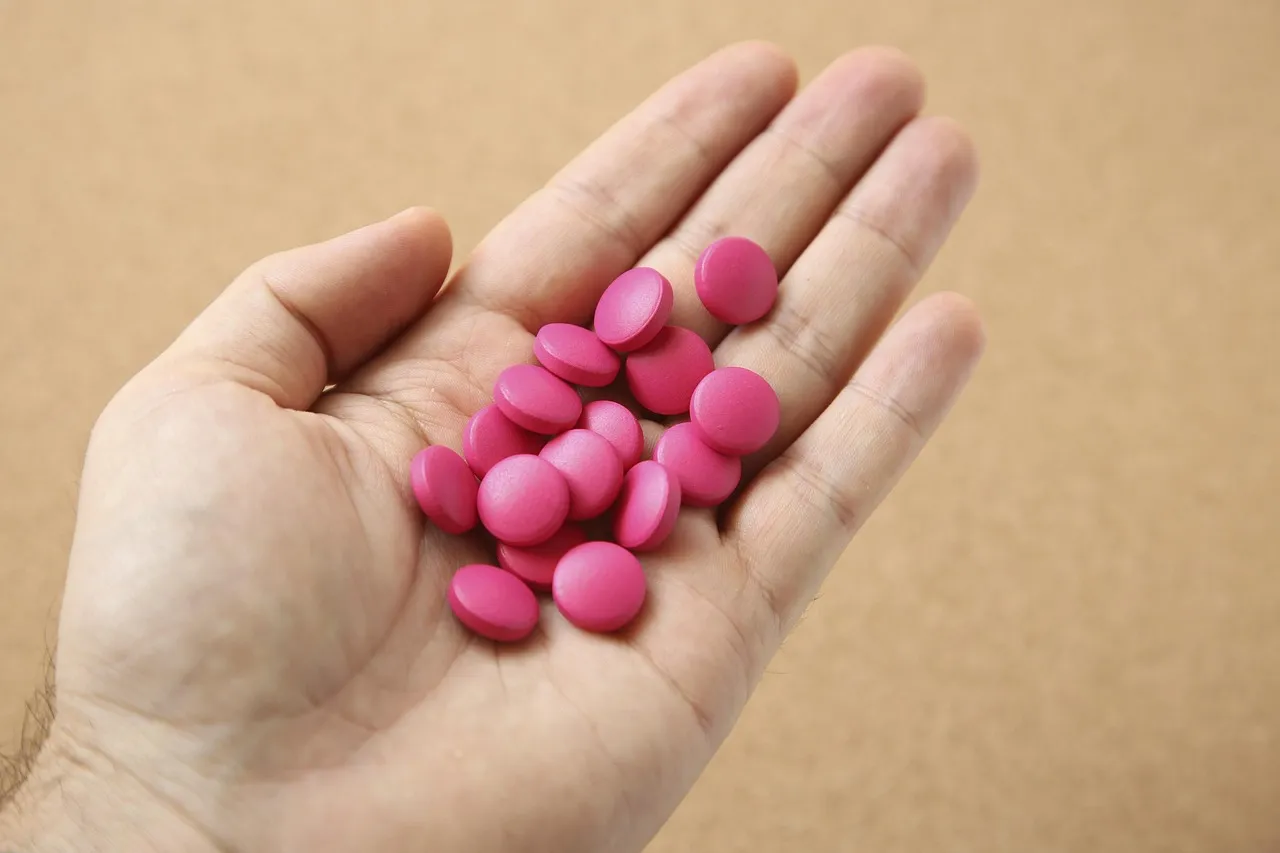
30 SEP 2026 — A daily GLP-1 pill developed in China lowered blood sugar in people with newly diagnosed type 2 diabetes by more than a percentage point against placebo, according to a phase 3 trial published in Nature Medicine on 29 September. Unlike some existing GLP-1 pills, it requires no fasting or food restrictions.
The drug, safiglipron, comes from Jiangsu Hengrui Pharmaceuticals, which plans to seek approval in China.
The trial
The OUTSTAND-1 trial randomised 284 adults at 46 sites in China. All had type 2 diabetes managed with diet and exercise alone. The median time since diagnosis was 1.6 years, and the average HbA1c (a measure of blood sugar over about three months) was 7.95%.
Participants took safiglipron at 30, 60 or 90 mg once a day, or a placebo, for 32 weeks, followed by a 20-week extension on active treatment, the paper says.
Compared with placebo, HbA1c fell by 1.22 percentage points at 30 mg, 1.20 at 60 mg and 1.45 at 90 mg by week 32. Between 71.4% and 77.8% of people on the drug reached an HbA1c below 7%, the usual treatment target, against 25% on placebo.
Weight and side effects
GLP-1 drugs are best known for weight loss, but in this diabetes trial that effect was modest. Across the three doses, people lost 0.65%, 2.23% and 3.56% more than those on placebo.
Gastrointestinal side effects were the most common and were mostly mild or moderate. They led 1.4%, 2.9% and 6.9% of people to stop the drug at the three doses, against none on placebo.
Why a pill without fasting matters
Most GLP-1 drugs are weekly injections. Among pills, the approach matters: some oral GLP-1 medicines come with instructions about taking them on an empty stomach, which makes daily use harder to fit into a routine. Safiglipron is a small molecule designed to be taken without those restrictions, the paper says.
For someone early in type 2 diabetes, a daily tablet with no timing rules is easier to start than an injection. Whether that leads to better long-term control depends on whether people keep taking it, and a 32-week trial cannot answer that.
The other trials
This is one of several trials of the drug, known in development as HRS-7535 and KAI-7535. In July, Kailera Therapeutics, which holds the rights outside Greater China, announced topline results from two more Chinese phase 3 trials.
In OUTSTAND-2, with 810 adults, the 90 mg dose lowered HbA1c by 1.68 points against 1.28 for dapagliflozin, a common diabetes pill. In HARBOR-1, an obesity trial at higher doses, the 180 mg dose produced 10.9% weight loss at 44 weeks against 2.5% on placebo, but about 70% of people on the drug reported nausea and about two-thirds reported vomiting.
What comes next
Hengrui plans to file for approval in China for both type 2 diabetes and obesity, Kailera said in July. Trial results outside China are still pending, BioSpace reports, so any approval elsewhere is further off.

View author profile → · Editorial policy