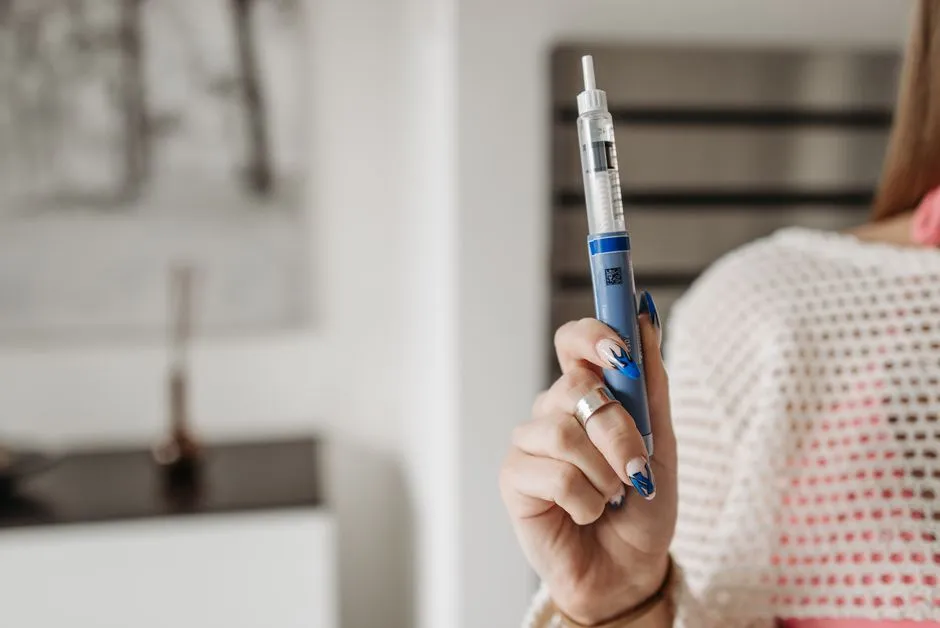
28 SEP 2026 — The US Food and Drug Administration has approved Eli Lilly's Onswik, insulin efsitora alfa, a basal insulin injected once a week instead of once a day, for adults with type 2 diabetes. The agency's list of novel approvals dates the decision to 23 September, and the FDA announced it the next day.
It is the second once-weekly insulin the agency has approved. It is not approved for type 1 diabetes, and the FDA says why.
What was approved
The FDA's announcement says Onswik is approved, alongside diet and exercise, to improve blood sugar control in adults with type 2 diabetes. Basal insulin is the slow, steady background dose. The daily versions most people use today are insulin glargine and insulin degludec.
Why once a week matters
A once-weekly dose means about 52 injections a year instead of 365. For people who put off insulin because of daily injections, that difference can decide whether they start at all.
How it compared with daily insulin
The approval rests on four randomised, open-label trials. They covered people who had never used insulin, people already on once- or twice-daily basal insulin, and people on basal plus mealtime insulin; participants kept taking their other diabetes medicines.
The agency says Onswik lowered HbA1c, the measure of average blood sugar over about three months, about as much as insulin glargine and insulin degludec.
The trials form Lilly's QWINT programme. Healio reports that QWINT-1 found it non-inferior to daily glargine in people new to insulin, and that in QWINT-3 the one-year HbA1c decrease was greater than with daily degludec.
The warnings
The most common side effects were low blood sugar, allergic reactions, injection-site reactions and weight gain. The label warns that severe hypoglycaemia can cause seizures, unconsciousness or death, and it also warns about medication errors, accidental overdose, low potassium and heart problems when combined with certain other drugs.
The FDA says Onswik is not recommended for type 1 diabetes because of an increased risk of severe hypoglycaemia. People with type 1 depend entirely on injected insulin, and a dose that lasts a week is harder to correct if blood sugar falls.
That medication-error warning fits a weekly product: one injection holds a week's worth of basal insulin, a large dose, and mistaking it for a daily one would be dangerous.
What it does not change
A weekly shot changes the injection schedule, not the need to manage the dose. Blood-sugar monitoring and dose adjustment still matter, and low blood sugar is most likely in the first weeks on a new basal insulin.
No US price or launch date appeared in the announcements we could read. For patients, cost and insurance coverage may decide the switch as much as the injection count.

View author profile → · Editorial policy