21 NOV 2026 — Malaysia's consumer prices rose 1.9% in the year to October, up from 1.8% in September, the Department of Statistics Malaysia (DOSM) reported on 19 November. The index stood at 137.7 points against 135.1 a year earlier. The Transport group led the rise, at 4.2% against 2.5% a month before, and household electricity, gas and fuel jumped from 0.1% to 4.7%.
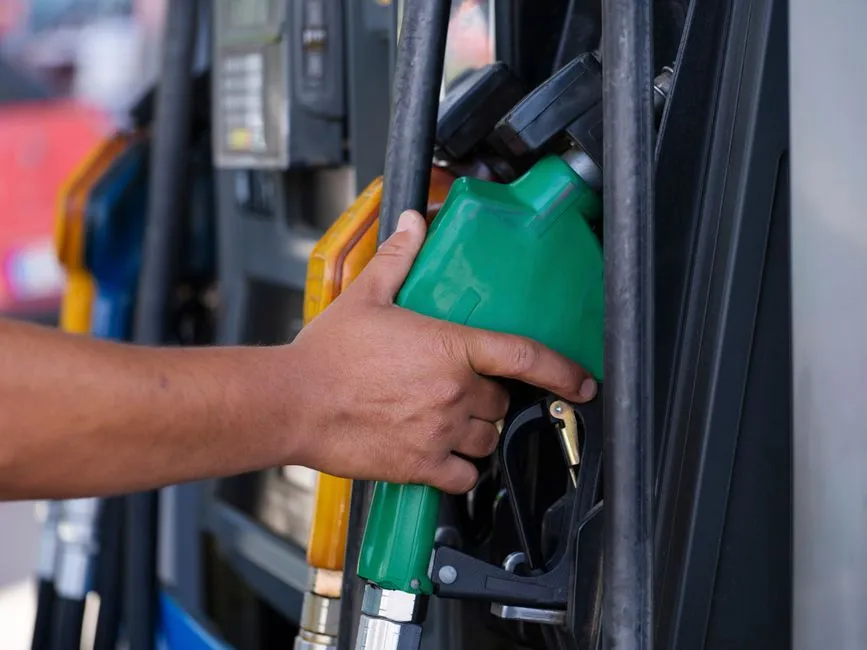
DOSM put the average market price of RON95 petrol at RM4.52 a litre in October, against a subsidised price of RM1.99. A year earlier the market price was RM2.60.
A RM2.53 gap at the pump
The table below comes from DOSM's monthly fuel price tables. The October 2025 and September 2026 figures are from the September release, and October 2026 is from the new one. DOSM notes that the averages are its own calculation.
| RM per litre | Oct 2025 | Sep 2026 | Oct 2026 |
|---|---|---|---|
| RON95, market price | 2.60 | 4.16 | 4.52 |
| RON95, subsidised (BUDI95) | 1.99 | 1.99 | 1.99 |
| Gap per litre (our arithmetic) | 0.61 | 2.17 | 2.53 |
| RON97 | 3.18 | 4.64 | 5.00 |
| Diesel, market price | 2.92 | 5.05 | 5.20 |
| Diesel, subsidised (BUDI Diesel) | not listed | 2.10 | 2.10 |
On those figures, the gap between the two RON95 prices is about four times what it was a year ago, and it widened by 36 sen in October alone. The market price is up about 74% on October 2025. RON97, which has no subsidised price, is up about 57%.
The September tables also carry the crude oil price behind those numbers. Brent averaged US$116.80 a barrel in September 2026, against US$67.95 a year before. The October release does not give a Brent figure.
The headline stayed under 2% while the market price of petrol rose 74%. DOSM does not say how the two RON95 prices are weighted in the index, so we cannot say how much of the pump-price rise the subsidy kept out of the 1.9%. DOSM's own chart puts inflation excluding fuel at 1.7% in both months, and core inflation eased to 1.5% from 1.7%.
Where the October rise came from
Inside the Transport group, the cost of running a private vehicle rose 4.9%, up from 2.7%. Public transport services eased to 5.8% from 7.8%, and vehicle prices were still lower than a year earlier, at negative 0.4%.
DOSM attributes the jump in household energy to a revision of the Automatic Fuel Adjustment rate charged to domestic users in Peninsular Malaysia who consume more than 800 kilowatt hours. The release also notes that all domestic users in Sarawak receive a 25% electricity bill discount from April to December, covering about 714,000 households. Sarawak's inflation rate, 0.6%, was the lowest of any state in DOSM's state chart, though the release does not connect the two.
Seven states and federal territories were above the national rate, led by Negeri Sembilan at 2.6% and Kedah at 2.5%; Johor, Putrajaya, Pahang, Labuan and Selangor were between 2.1% and 2.3%. Food and beverages, almost 30% of the index, eased slightly to 1.7%. Month on month, prices rose 0.1%, the same as in September.
Hong Kong and Japan reported the next day
Two other Asian statistics offices published October figures on 20 November. Each measures energy differently, so the table sets their own categories side by side rather than one common line.
| Headline, Sep → Oct | Narrower measure, Sep → Oct | Energy line, Oct | |
|---|---|---|---|
| Malaysia | 1.8% → 1.9% | Core 1.7% → 1.5% | Electricity, gas and fuel 4.7% (Sep 0.1%) |
| Hong Kong | 1.9% → 2.2% | Underlying 2.1% → 2.0% | Electricity, gas and water 12.7% |
| Japan | 2.1% → 2.3% | Excluding fresh food and energy 2.4% → 2.2% | Energy 2.2% (Sep −0.6%) |
In Hong Kong, the Census and Statistics Department put the larger increase mainly down to the end of a rates concession in September. With the government's one-off relief measures stripped out, underlying inflation eased to 2.0%. A government spokesman said prices of fuel-related items "continued to rise noticeably", but that the spillover to other prices was limited.
In Japan, the Statistics Bureau reported all-items inflation of 2.3%, with energy adding 0.20 percentage points to the change in the headline rate, mostly through electricity and city gas. Petrol was still 2.3% cheaper than a year earlier. The bureau estimates that scrapping the provisional petrol tax rate and other policy measures took 0.97 percentage points off the headline rate through energy, which suggests the October figure would otherwise have been above 3%.

View author profile → · Editorial policy