
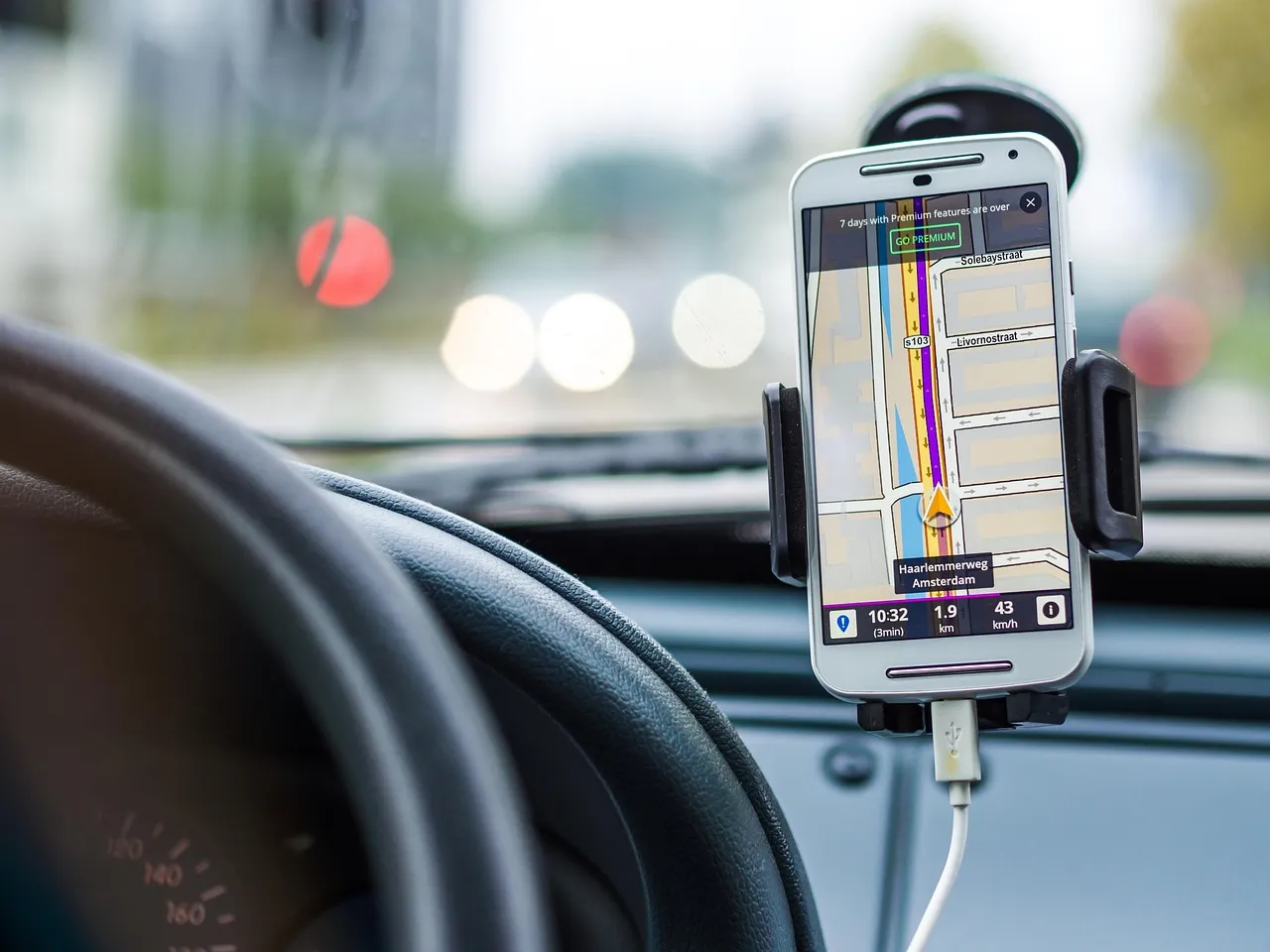
23 OCT 2026 — Malaysian civil servants may no longer use Waze, the Google-owned navigation app, while on official duties. Prime Minister Anwar Ibrahim said on 23 October that a complete ban for everyone in the country is not ruled out. The order took effect immediately, under a letter dated 20 October from Tan Sri Shamsul Azri Abu Bakar, the government's Chief Secretary. The government's stated concern is how much data Waze collects and the Israeli law it falls under. Waze says the claims against it are false.
What the directive says
The letter followed the National Cyber Security Committee's third meeting of 2026, chaired by Anwar on 20 October. According to a Bernama report of the letter, Shamsul Azri told every secretary-general and department head to pass the decision to the officers they supervise, including related agencies, for immediate implementation. Questions go to the National Cyber Security Agency (NACSA) under the National Security Council.
A set of frequently asked questions issued with the letter narrowed the scope. As the national news agency summarised the FAQ in Malay, the ban applies only while officers are performing official duties, though they are encouraged to uninstall the app and move to a local alternative. "Civil servants" means everyone defined under Article 132(1) of the Federal Constitution, which takes in the armed forces, the police, the judicial and legal services, state public services and the education service.
The government's case
The Prime Minister's Office set out the reasoning on 21 October. Waze Mobile Ltd, the company in control of the app's user data, is registered in Israel and subject to its law. "Sensitive government information and the personal data of the people must be protected from being exploited by the Israeli regime in ways that could jeopardise the country's security and sovereignty," Anwar said in the statement. The same statement urged all Malaysians to stop using Waze and switch to local apps such as TuJu.
National Security Council director-general Datuk Raja Nushirwan Zainal Abidin gave two grounds at a briefing in Cyberjaya on 22 October. The first is the volume of detail Waze collects, including location, travel and device data, which depending on settings can be gathered when the app is not in active use. The second is a recent change in Waze's own terms. "The new terms of use state that the use of Waze is subject to Israeli law, which was not the case previously," he said.
The FAQ is careful on one point: translated from the Malay, it says there is no evidence that Waze carries out the analysis the government describes. It treats the possibility that collected data could later be analysed or exposed as a risk to weigh.
Waze rejects the claims
Waze answered in a statement carried by Reuters. "Claims that Waze collects sensitive government information or allows any entity to exploit personal user data are completely false. Waze operates under strict privacy policies that protect user data and comply with global legal data protection standards," the company said. Reuters also noted that Anwar had given no details of specific risks. Google bought Waze in 2013 for about $1 billion.
Who the ban covers, in two versions
Ministers have described the reach of the measure in different terms. Digital Minister Gobind Singh Deo told the Dewan Rakyat on 22 October that the ban applies only to civil servants on official government business and not to members of the public using the app privately, according to a Bernama account of the sitting. He added that officers may still use other apps for official work, Google Maps included.
A day later Anwar went further. Speaking to reporters after Friday prayers in Kuala Lumpur, he said a full ban could follow once the government had studied alternatives, including local capability to build a comparable app. "This cannot be delayed, not even for a day," he said of his decision on civil servants. He said the matter had been discussed at that day's Cabinet meeting.
MPs ask for the reasoning
Two Pakatan Harapan MPs have asked for a fuller explanation. Chow Yu Hui (PH-Raub), debating the Supply Bill 2027, asked how the risk from Waze differs from that of US-owned apps such as WhatsApp and Instagram. "If Waze is banned on the grounds that its company is based in Israel, when Waze has been owned by Google since 2013, what is the difference in data security risks between Waze and Google Maps, which is owned by the same parent company?" he asked. Dr Kelvin Yii Lee Wuen (PH-Bandar Kuching) said he was not disputing a possible security issue but wanted the reasoning set out.
The local alternative is still catching up
TuJu was built by the Malaysian Highway Authority (LLM) with Prosignal Consortium Sdn Bhd and launched in November 2025. It was designed around highways, with live CCTV feeds and an emergency button. LLM says it has passed 700,000 downloads and that version 2.0, with accident alerts and EV charging locations, is out on Android, with iOS expected by the end of October.
Anwar has conceded the gap. LLM, he said, admitted to him that TuJu is incomplete, and he agreed it has weaknesses. Gobind said the app is being extended from highways to ordinary roads, with help from GovTech. "GovTech will work closely with relevant agencies to develop and enhance the capabilities of this local app," he said.
None of the official statements we read reports a breach involving Malaysian users' Waze data. The government's case, so far, is built on data collection, contract terms and jurisdiction. The open question is whether it will be applied to the general public.