5 OCT 2026 — Infineon Technologies opened its first factory in Thailand on 1 October, a chip assembly and test plant in Samut Prakan, just south of Bangkok. Thai officials described a US$1.4 billion project that will employ more than 5,000 people. The German company's own announcement describes something smaller for now: one building, around 350 staff today, and about 1,000 once that building is running fully.
Both accounts are of the same site. The difference is that the larger numbers assume four more buildings that Infineon says it will add "over time".
What opened on 1 October
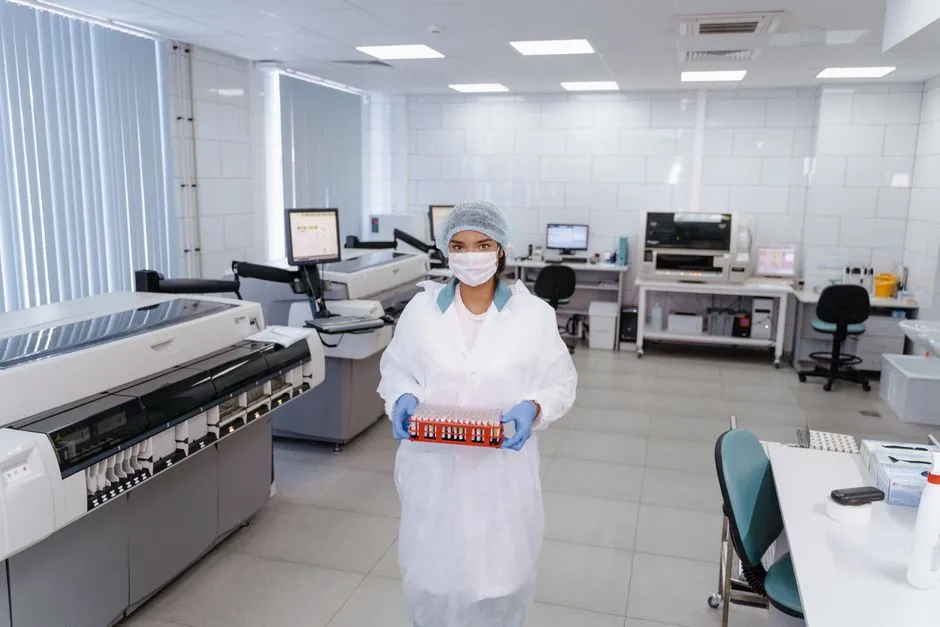
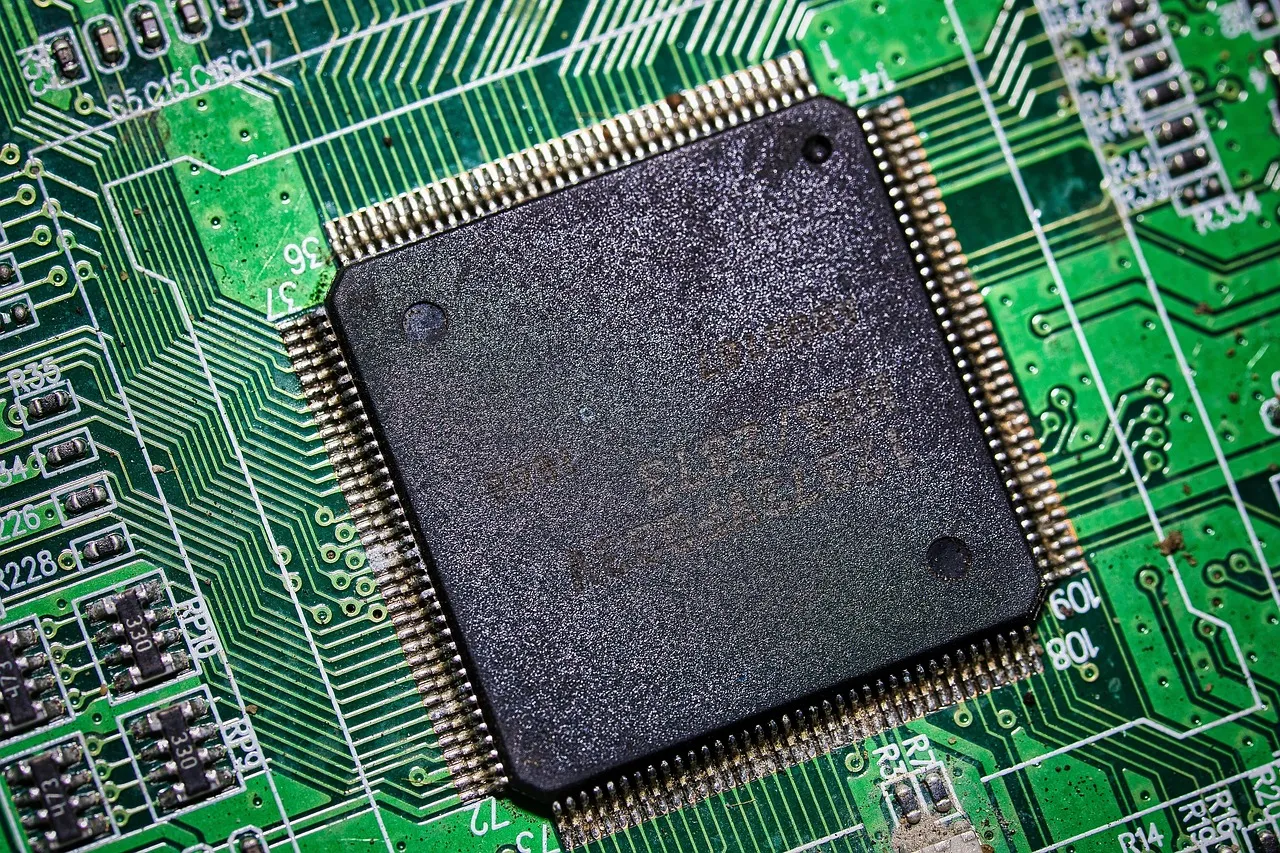
The BOI describes Infineon as the world's largest maker of power semiconductors, the chips that switch and convert electricity in electric vehicles, solar inverters and data-centre power supplies. The new site is a backend plant: it takes finished chips, tests them, and assembles them into packaged products and power modules, including wafer testing before assembly.
Infineon's release says the site employs around 350 people and will grow to about 1,000 as the first building, Module A, ramps up. The plant can extend to five modules, which Infineon says would make Bangkok one of its largest backend sites. Output will go to automotive, industrial and energy infrastructure customers.
"We have built the Bangkok site with the future in mind," said Alexander Gorski, Infineon's chief operations officer. "Starting with Module A, the site can grow to up to five modules over time."
The government's larger figures
Thai officials gave the bigger numbers. Kaohoon International reported the opening as a 48 billion baht, or US$1.4 billion, investment creating more than 5,000 skilled jobs, roughly 1,000 per phase. It put the first module's cleanroom at 30,000 square metres and the full site's at 150,000.
A week earlier, the Board of Investment's release on Thailand's first national semiconductor strategy said Infineon would "employ more than 5,000 people in Thailand at full operation" and planned a research and development centre.
Neither figure appears in Infineon's own announcement. When it began building the plant in January 2025, the company said the first building would be ready at the start of 2026 and that "further ramp-up will be managed flexibly in line with market demand." That building is what opened this week.
Why Thailand wants this plant
The strategy approved on 24 September targets about US$80 billion in cumulative chip investment and more than 230,000 new jobs by 2050. Power semiconductors are one of three priority areas, alongside photonics and sensors. The BOI says it received applications for 879 semiconductor and electronics projects worth about US$27.2 billion from 2023 through the first half of 2026.
Thailand already has a large assembly and test industry. The strategy's stated aim is to move beyond it, by drawing anchor investors into chip design and wafer fabrication by 2040. An Infineon backend plant strengthens that existing base, but by itself it does not move Thailand into the earlier, more valuable stages of making a chip.
A regional supplier for power chips
For Infineon, the plant adds capacity outside Europe and China for the modules that sit in electric drivetrains and power systems. It follows the company's purchase in August of C2i Semiconductors, a Bengaluru designer of the controllers that keep AI accelerators supplied with steady power.
Infineon says the Thai site runs on 100% green electricity, with on-site solar panels, water recycling and rainwater collection.
What to watch
The larger numbers hinge on the second module. Infineon has not said when it will build it, and its 2025 statement ties the pace to demand. Until it announces Module B, the plant is a 1,000-job commitment. Up to four more buildings would bring Thailand's full figures.

View author profile → · Editorial policy