27 SEP 2026 — Bank Indonesia held its policy rate at 5.75 per cent on 23 September. This was the third consecutive hold, and the first board meeting chaired by the bank's new governor, Destry Damayanti.
The reason given was the rupiah. The more interesting parts of the release are a set of changes to hedging costs and a new currency-settlement partner: Singapore.
What was decided
The Board of Governors met on 22 and 23 September. The release keeps the BI-Rate at 5.75 per cent, the deposit facility at 4.75 per cent and the lending facility at 6.50 per cent.
Medcom reports that this was the first board meeting led by Destry Damayanti as governor. CNN Indonesia quotes the decision as consistent with the strategy of stabilising the rupiah amid external pressure that remains strong, in support of the inflation target.
The rupiah is the constraint
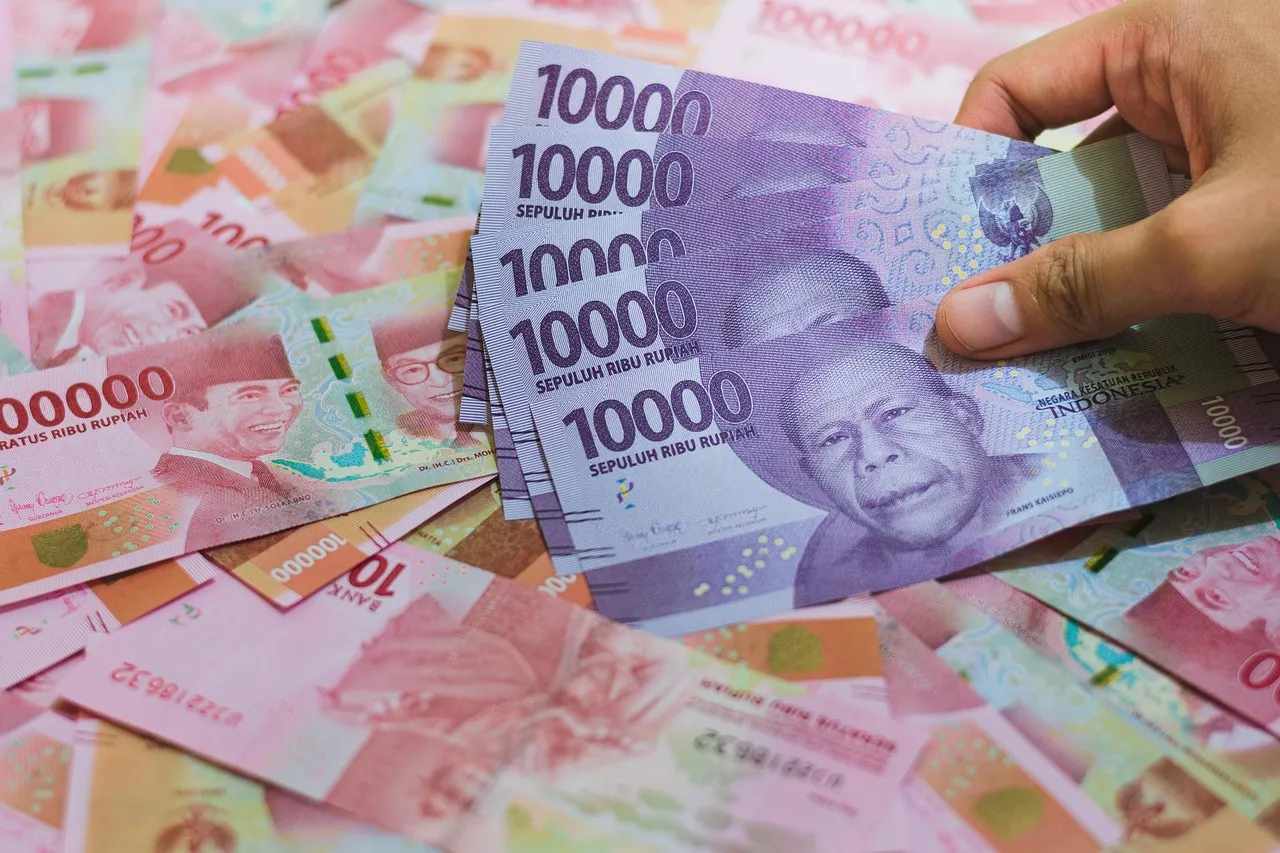
The release puts the rupiah at 17,855 to the dollar on 22 September, down 0.78 per cent from the end of August, a move it describes as limited. Reserves stood at US$146.5 billion at the end of August, enough for 5.4 months of imports.
Inflation is inside the target band of 2.5 per cent plus or minus one: 3.19 per cent year on year in August, with core inflation at 2.92 per cent, volatile food at 4.06 per cent and administered prices at 3.32 per cent. Inflation alone would leave room to cut. The currency is what keeps the rate where it is.
Credit is running ahead of the forecast
Bank lending grew 13.65 per cent year on year in August. Bank Indonesia's own forecast range for 2026 is 8 to 12 per cent, so lending is already above the top of it. Deposits grew 10.94 per cent.
The banks themselves look sound on the release's figures, with a capital adequacy ratio of 23.84 per cent and gross non-performing loans of 2.10 per cent in July. The central bank keeps its 2026 growth forecast at 4.9 to 5.7 per cent.
When Bank Indonesia held at 5.75 per cent in July, the credit figure was one of the numbers that said more than the decision. It is doing so again.
What changed instead of the rate
The measures in the release affect the cost of hedging the currency, not the cost of borrowing.
Bank Indonesia is raising the discount on hedging swap premiums to 15, 20 and 25 per cent for three-, six- and twelve-month tenors, and the discount on domestic non-deliverable forwards to 25 and 30 per cent for six and twelve months. Both make it cheaper for companies to hedge dollar exposure onshore.
It also adds Singapore as a partner for local currency transactions, the arrangement under which trade between two countries is settled in their own currencies without going through the dollar. That is the same principle at the centre of Bank Indonesia's QR payments memorandum with Hong Kong on 24 September.
An inclusive financing ratio policy, setting how much banks lend to smaller borrowers, takes effect on 1 October.
What the hold does not say
A hold at a new governor's first meeting is the least informative decision a central bank can make about that governor. The release describes no change of approach, and the stated reason is the same as for the previous two holds.
The signals for where policy goes next are already in the release. The currency is under pressure, inflation is comfortably inside target, and credit growth is well above the bank's own forecast.