30 SEP 2026 — Flooding in Thailand has shut four Toyota factories and left about 10,000 bags stuck at Bangkok's main airport. Thai Airways said it would halt cargo for a week. The next day, the transport minister said the government had asked the airline not to stop cargo, only to slow it.
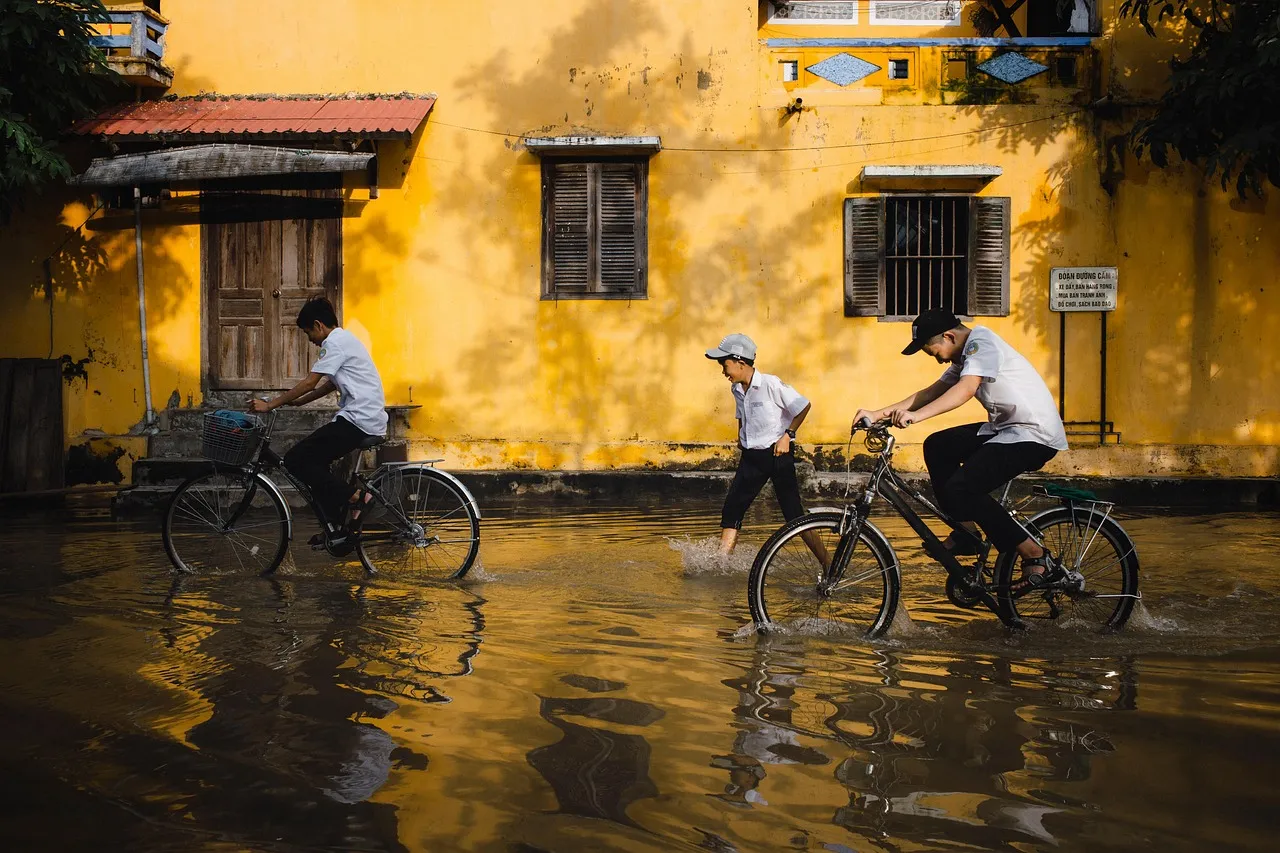
Bangkok was declared a disaster zone after about 320 millimetres of rain fell in three days late last week, nearly a normal September's total. At least 24 people have died and 44 of Thailand's 77 provinces have been affected, according to the interior ministry. A government spokesman, citing health ministry figures, put the toll at 40.
Toyota's four plants
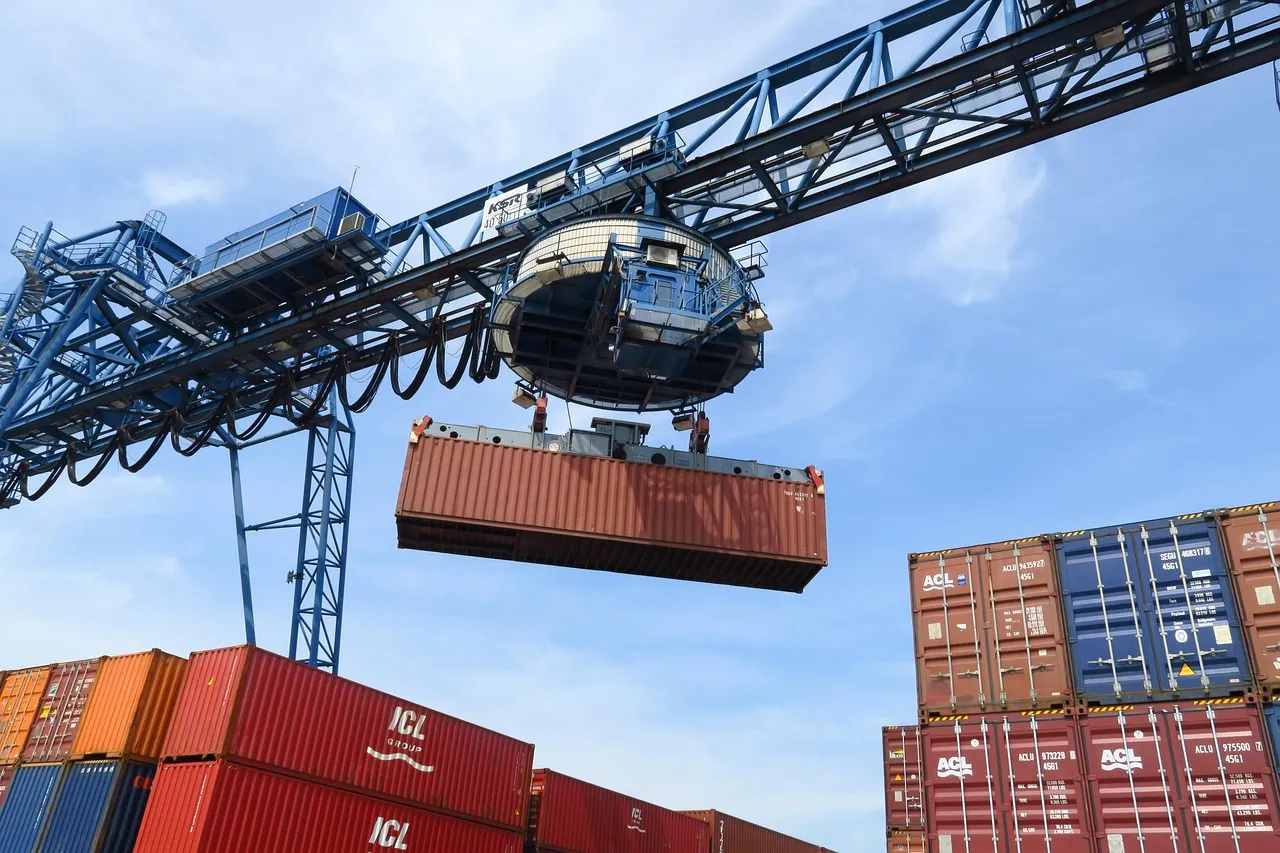
Toyota's Thai unit has suspended operations at three of its plants and at a facility of its joint venture Toyota Auto Works, a company spokesperson said, as Reuters reported via the Bangkok Post. The cause is not flooded factory floors but missing parts: the floods have disrupted deliveries from suppliers.
Toyota said it was working with suppliers to restore deliveries and restart as soon as possible. It gave no restart date and no figure for lost output.
Thai Airways and the cargo halt
Thai Airways said many staff could not get to work, leaving its cargo warehouse at Suvarnabhumi Airport short-staffed. It issued a notice on 29 September suspending all inbound and outbound cargo acceptance from 30 September to 6 October, The Nation reports.
Passengers were hit first. About 10,000 pieces of luggage arriving between 26 and 28 September piled up at the airport, and only 18% had been cleared by Wednesday, Transport Minister Phiphat Ratchakitprakarn told a briefing, the Bangkok Post reports. The paper says he attributed the backlog to the flooding and to operational failures at the airline.
The government steps in
Phiphat, who is also a deputy prime minister, said authorities had asked Thai Airways not to suspend cargo, only to slow it, and were adding staff, including 100 soldiers. The Transport Ministry, Airports of Thailand and the civil aviation regulator would give updates every eight hours, he said.
"Our image has been tarnished. What happened today is spreading across social media around the world. No one can hide it," Phiphat said. The airline's chief executive, Chai Eamsiri, said about 90% of frontline staff and 80% of operational crew were back at work.
By the time of writing we had found no revised notice from Thai Airways after the briefing, so the airline's published position and the government's request still differ.
What it costs
The flooding could cut Thailand's 2026 growth by 0.3 percentage points, to 2.1%, economist Aat Pisanwanich told Reuters, according to Thailand Business News. Immediate losses were put at about 11 billion baht, roughly US$320 million. A separate Rangsit University assessment ranged from 16.9 billion to 33.8 billion baht.
Those estimates were made before the Toyota shutdown and the cargo notice were announced. The government aims to drain Bangkok's floodwater into canals and return the city to normal within two to three days.
Why supply chains feel it first
Thailand is a regional carmaking base and a hub for time-sensitive air freight. A car plant that runs on just-in-time parts stops when the trucks cannot reach it, even if the factory floor stays dry. An airport warehouse stops when its workers cannot get in.
The rainfall total now matters less than the restart date. Toyota and Thai Airways both say they will restart as soon as possible. Neither has said when.