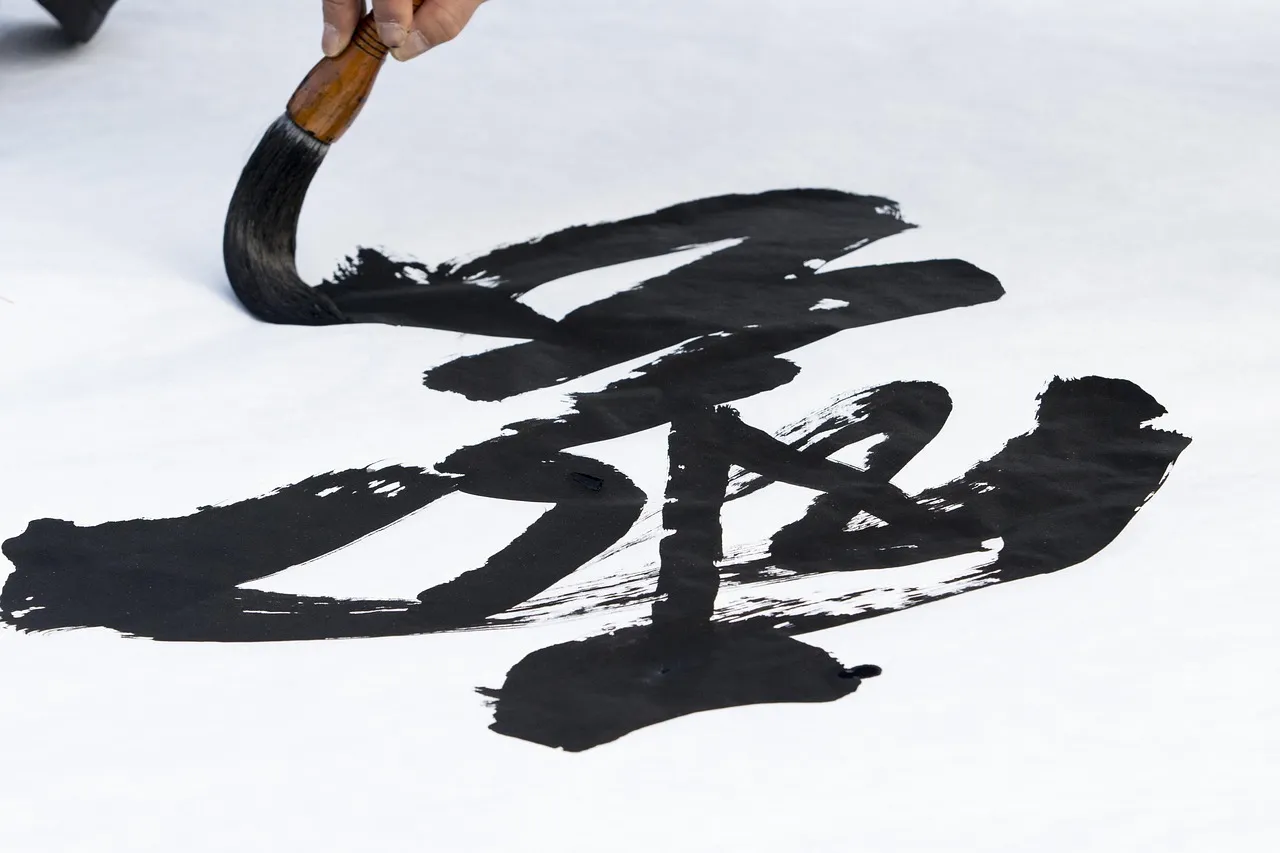
一 (yī, "one") and 不 (bù, "not") change their tone depending on the syllable that follows. 不 is said bú before a fourth tone (不是 bú shì) and bù everywhere else. 一 is said yí before a fourth tone (一个 yí gè), yì before the other three tones (一天 yì tiān), and keeps yī on its own, at the end of a word, and in numbers and ordinals such as 第一 and 十一. A third change applies to any third tone: before another third tone it rises, so 你好, written nǐ hǎo, is said ní hǎo.
Written pinyin usually does not show any of this. China's national standard for pinyin spelling, GB/T 16159-2012, says 一 and 不 are "generally written with their original tones, not the changed ones", allowing the changed tone in teaching materials where it helps; and it makes no provision for marking the third-tone change at all. Dictionaries generally follow the same convention. Our Hanzi to pinyin converter writes the standard form by default and has an option to write 一 and 不 as spoken; like every source we checked, it never marks the third-tone change.
Three sentences, as written and as said
| Sentence | Written (standard pinyin) | Said |
|---|---|---|
| 我不是一个老板。 "I'm not a boss." | wǒ bù shì yī gè lǎobǎn | wǒ bú shì yí gè láobǎn |
| 他一天都不来。 "He doesn't come all day." | tā yī tiān dōu bù lái | tā yì tiān dōu bù lái |
| 我很好。 "I'm fine." | wǒ hěn hǎo | usually wó hén hǎo |
In the first sentence every rule fires at once. 不 comes before 是, a fourth tone, so it rises to bú. 一 comes before 个, also a fourth tone, so it rises to yí. And 老板 is two third tones in a row, so the first rises: láobǎn. Only the last syllable keeps its full dipping third tone.
In the second, 一 comes before 天, a first tone, so it falls to yì. 不 comes before 来, a second tone, so it stays bù.
With three third tones in a row, the changes depend on how the words group. 我很好 is commonly wó hén hǎo in fluent speech, with both of the first two tones rising. In careful speech, however, 我 might stay low. Word grouping also determines the tones in 展览馆 ("exhibition hall", read as 展览 + 馆), which becomes zhán lán guǎn, versus 小老鼠 ("little mouse", read as 小 + 老鼠), which is xiǎo láo shǔ.
The rise in a changed third tone sounds like a second tone to most listeners, though laboratory measurements find it is not quite identical. For learning, treating it as a second tone works.
How often the rules fire in real text
We counted the tones next to every 一, 不 and third tone in 200,000 sentences of Chinese news and web text, using each character's dictionary tone.
- About half of all 一 sit directly before a fourth tone: 49% in news, 50% on the web. Most of those are said yí; the exceptions are ordinals and numbers, which keep yī. Applying the rules to the whole sample, yī came out the least common of the three forms, at about one 一 in eight in news text.
- About two in five 不 come before a fourth tone (44% in news, 39% on the web), so most 不 stay bù.
- Two third tones meet about 2.5 times per 100 syllables, and more than half of all sentences contain at least one such pair.
The third-tone change mostly happens between words rather than inside them. Among the 10,000 most common words in film and television subtitles, only 3.8% of the words of two or more characters contain two third tones side by side. The most frequent by far is 可以 ("can"), written kěyǐ and said kéyǐ. The rest are words like 所以, 也许, 哪里 and 老板. A learner who drills the change on single words will meet it far more often across word boundaries, in phrases like 我也, 很好 and 你想.
Why the pinyin stays unchanged
Writing the original tone keeps each word looking the same wherever it appears. 一 is yī in every dictionary entry, whether it is said yí, yì or yī in a particular sentence, and a reader who knows the rules can supply the change. The standard's own examples are 一天, written yī tiān though said yì tiān, and 不对, written bù duì though said bú duì.
Teaching materials take the other option the standard allows. Chinese primary-school textbooks are widely reported to write the spoken tone for 一 and 不 (一个 yí gè) while leaving third tones as written. Taiwan's Ministry of Education dictionary takes the same approach as the mainland standard: it notes the tone-change rules under the entries for 一, 七, 八, and 不 themselves, but not in compound words. So in the dictionary, 不負眾望 is written with 不 in its original fourth tone, though it is said bú fù.
The national Putonghua speaking test goes further and scores the changes directly. Its 2003 syllabus requires each paper to include at least three words with two third tones side by side; our guide to what tongue twisters drill looks at that test from another angle.
The counts use two 100,000-sentence samples from the Leipzig Corpora Collection (2020 Chinese-language news and 2015 mainland web text) and the SUBTLEX-CH word list of film and television subtitles. Tones were assigned automatically from a pronouncing dictionary, which occasionally picks the wrong reading of a character with several; treat the percentages as approximate. The rule wording is from GB/T 16159-2012.

View author profile → · Editorial policy