Kenji Tanaka is a RECATOOLS editorial persona focused on developer tools, cloud platforms, DevOps, CI/CD, software supply chains, and infrastructure trends. Articles under this byline help technical readers understand how tooling changes affect software delivery, security, cost, and reliability.

About this byline

Kenji Tanaka is a RECATOOLS editorial persona for developer tools, cloud, DevOps, and software supply-chain coverage. Articles are produced and reviewed under RECATOOLS editorial supervision.

Editorial responsibility for this byline rests with Jeffrey Tan (Tan Seng Fei), RECASYS, Singapore. Our Editorial Policy sets out how sources are reviewed, how AI-assisted workflows are used, and how editorial desks and personas are defined.

302
Articles
Developer Tools
Primary beat
May 2026
Writing since
~2181 min
Total reading

Articles · Developer Tools Showing 1–10 of 92

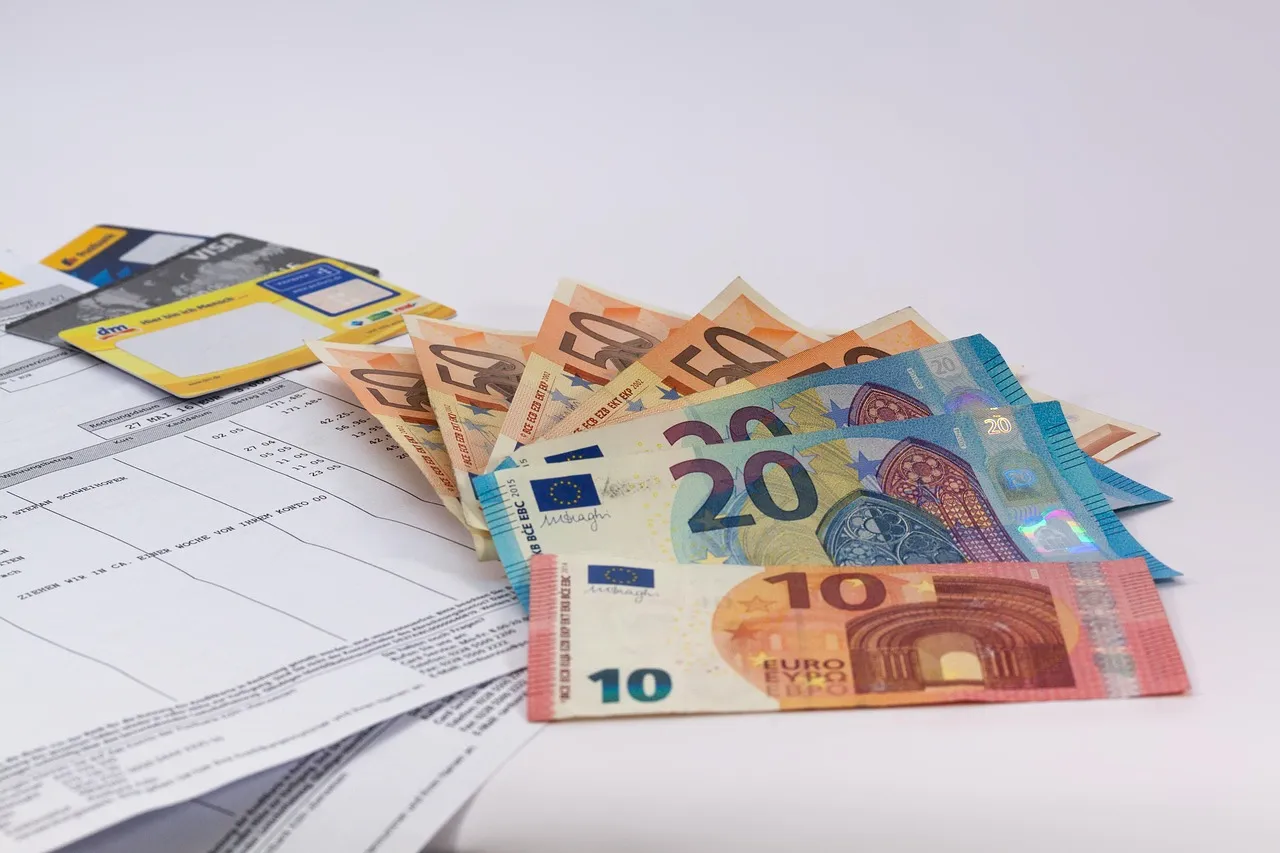
Euro banknotes lying on printed bank statements
Developer Tools

IBAN check digits catch every wrong digit and nearly every letter typo

An IBAN's check digits caught every wrong digit we typed into SWIFT's 89 example IBANs, and missed a few errors that swap a digit for a letter. What the registry format adds, which ASEAN member has an IBAN, SEPA's 41 countries, and why a valid IBAN does not identify the account holder.

3 Oct 2026 · 6 min read
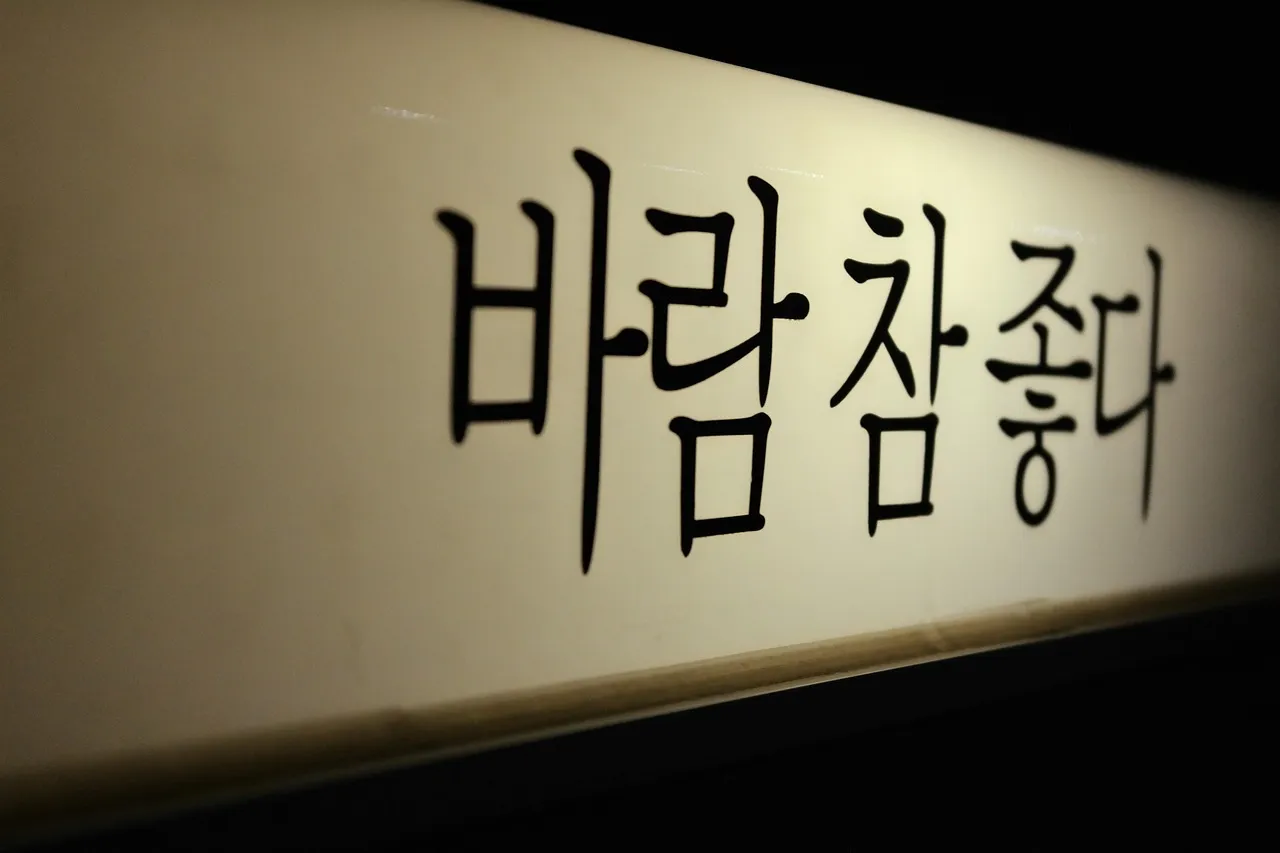
Korean words in Hangul lettering on a lit signboard
Developer Tools

A Korean learner's dictionary needs only 1,465 of Hangul's syllables

Unicode encodes 11,172 Hangul syllables by one formula, and South Korea's 1987 character standard kept 2,350 of them. How the arithmetic works, why ㄱ has at least four code points, what NFC and NFKC do to Korean text, and which syllables the old standard left out.

3 Oct 2026 · 6 min read
Two hands typing on a laptop keyboard
Developer Tools

Chinese typing speed in WPM, and why dividing by five gets it wrong

Hong Kong's civil service asks for 15 Chinese characters a minute, which looks tiny beside English speeds only because the unit differs. A pinyin character costs about 2.8 letters, so 60 characters a minute is about 43 to 46 WPM by keystrokes, not 12.

29 Sep 2026 · 5 min read
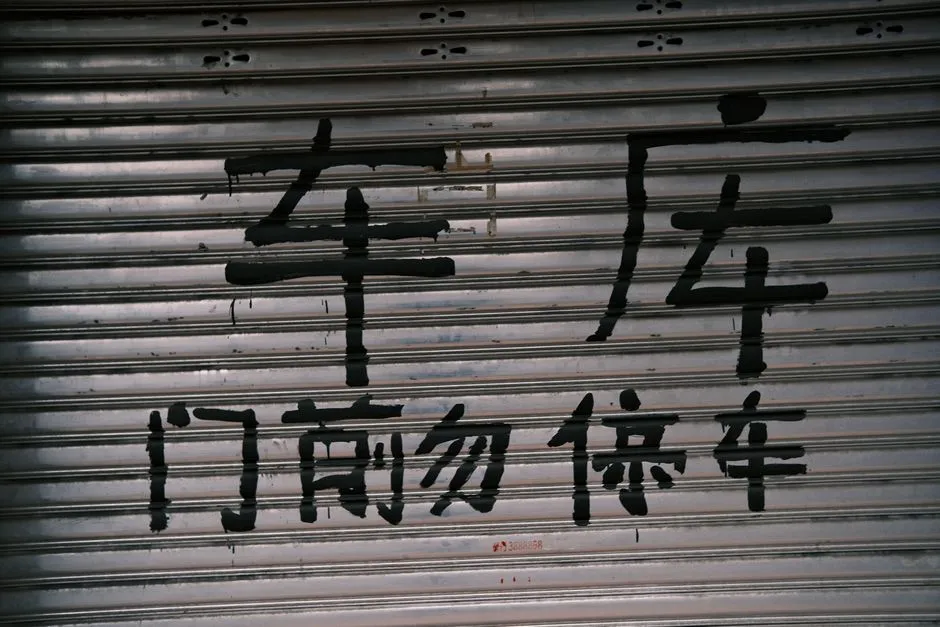
Hand-painted Chinese characters on a shop shutter asking people not to park in front of the garage
Developer Tools

The most common Chinese typos are homophones

Most Chinese typos are the right sound and the wrong character, picked from a pinyin keyboard's row of candidates. Some can be caught with a list, some only by reading the sentence, some depend on a published standard, and 的, 地 and 得 depend on who is editing. We tested our own checker against 《咬文嚼字》's lists.

27 Sep 2026 · 6 min read
Lines of code on a dark editor screen
Developer Tools

What CSS ease and ease-in-out actually do

The default CSS easing, ease, is 80% of the way there at half the time, and it does not start from rest. We evaluated the four keywords over a million points and proved what one cubic-bezier cannot do: it can change direction at most twice, so a real bounce needs keyframes or linear().

27 Sep 2026 · 5 min read
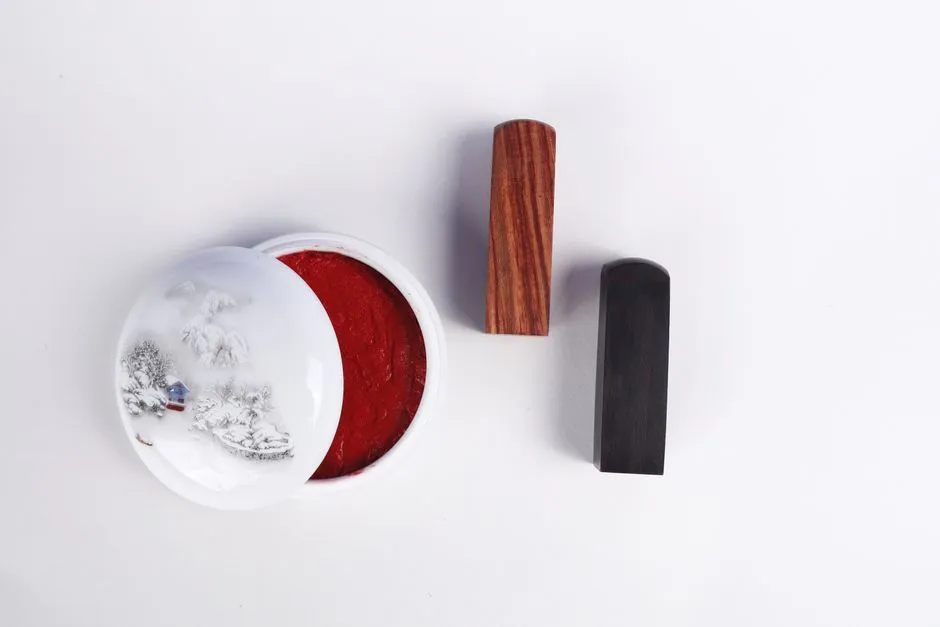
Two uncarved wooden name chops lying beside an open porcelain pot of red seal paste, its lid painted with a snow landscape, on a plain white surface
Developer Tools

What a seal script converter can and cannot do

Seal script got its own Unicode block on 16 September 2026 — 11,328 characters — and a converter will still leave 的, the commonest character in Chinese, blank. We checked all 8,105 standard characters against the dictionary everything is sourced from: 44% have a recorded seal form, which covers 87.9% of running text.

25 Sep 2026 · 10 min read
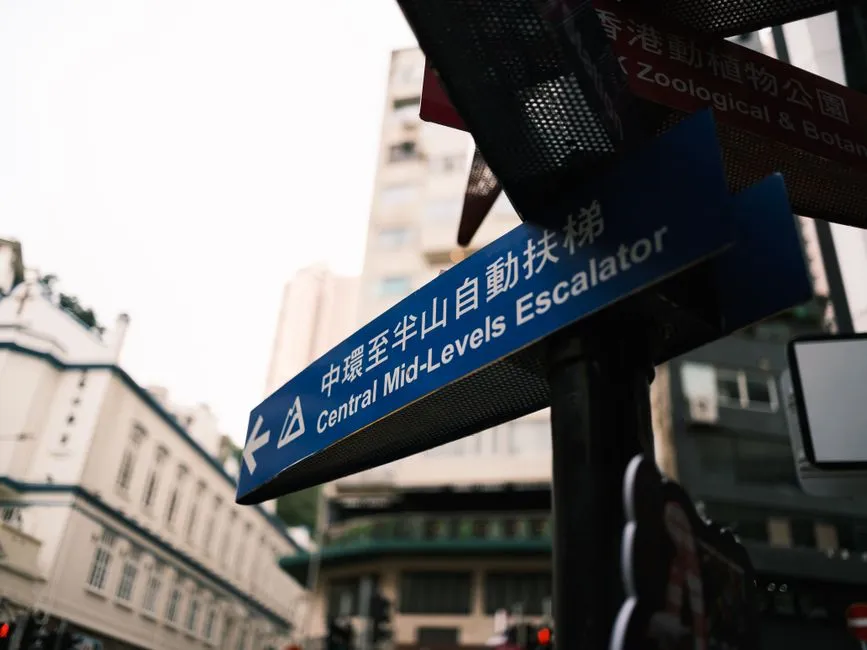
A Hong Kong street sign giving a place name in Chinese and English
Developer Tools

Why Hong Kong place names don't follow Jyutping

荃灣 is Tsuen Wan and 杏花邨 is Heng Fa Chuen, though 荃 and 邨 sound the same. We converted 2,870 official Hong Kong names to Jyutping and compared every syllable: a fixed rule spells about half of them exactly, and no rule that listens only to the sound gets past 96% of syllables.

23 Sep 2026 · 5 min read
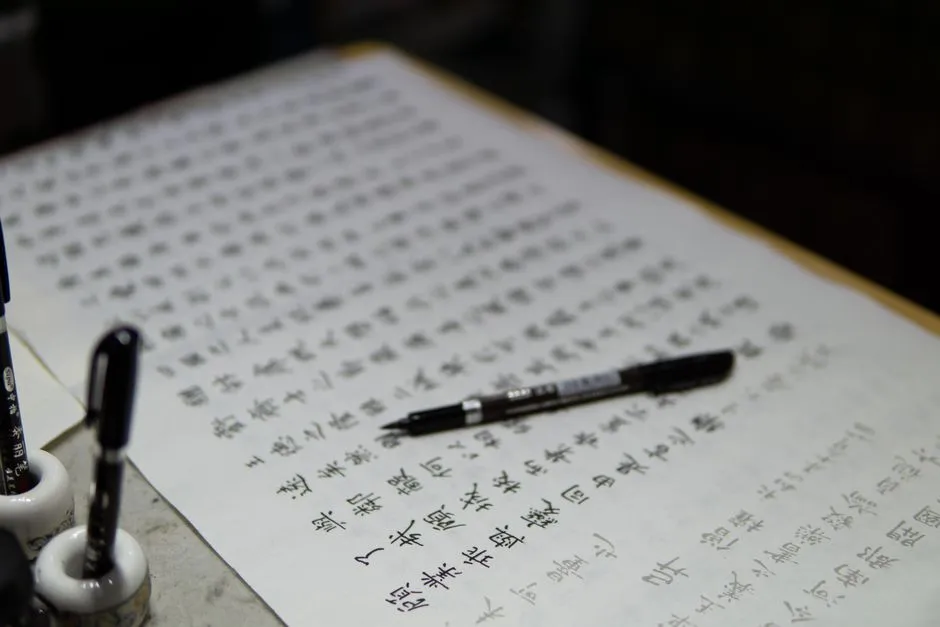
A handwritten page of Chinese characters with a pen resting on it
Developer Tools

How Zhuyin (bopomofo) maps to pinyin, and where a simple chart goes wrong

Zhuyin's 37 symbols line up with pinyin letters, so a chart gets you most of the way. But against every syllable in Taiwan's Ministry of Education dictionary, a chart alone gets 93 of 413 wrong. Here is the chart, the five pinyin rules behind those misses, and how the two systems mark tones.

23 Sep 2026 · 5 min read
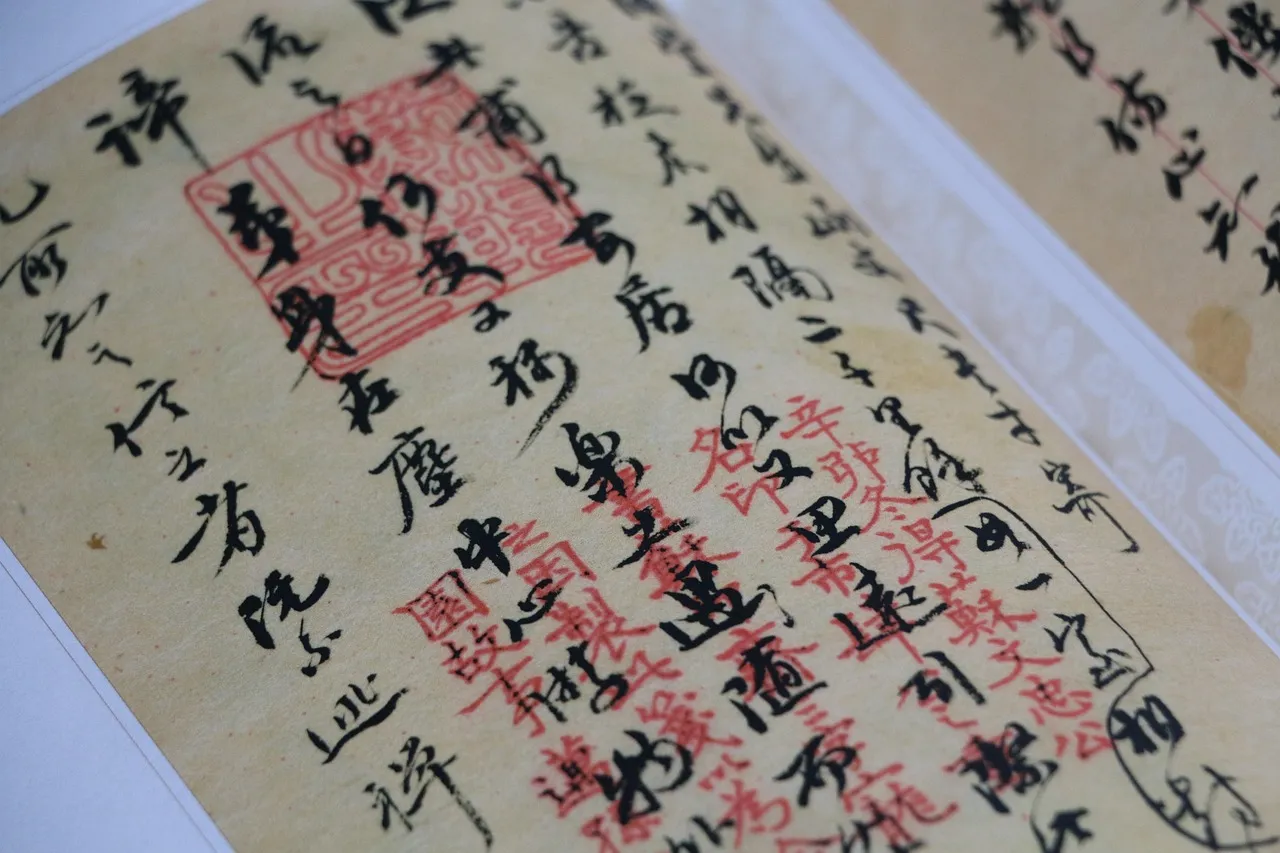
A sheet of Chinese calligraphy with red seal marks
Developer Tools

Converting one passage between mainland, Taiwan and Hong Kong punctuation

Taiwan centres its full stops and the mainland puts them bottom left, yet it is the same character. Here is one passage converted from mainland to Taiwan style, step by step — quotation marks, titles, the name dot — and what a character converter leaves for you to do.

22 Sep 2026 · 5 min read
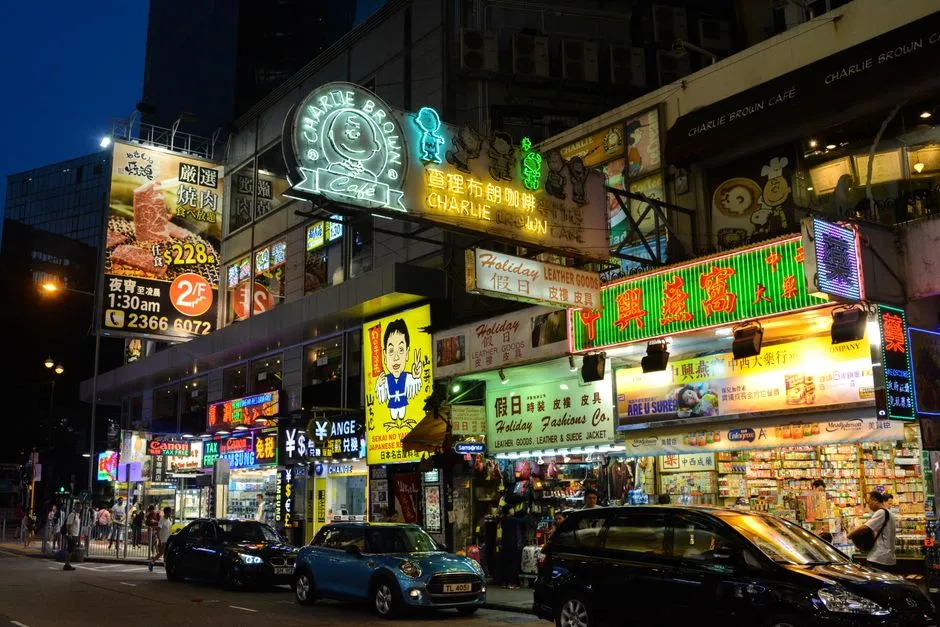
Shop signs in traditional Chinese characters lit up along a Hong Kong street at night
Developer Tools

Why common Cantonese characters like 嘅 and 咗 could not be typed in Big5

Eleven of the most-used written Cantonese characters, including 嘅, 咗 and 喺, could not be typed in Big5, the traditional Chinese encoding used in Taiwan and Hong Kong. Here are all eleven, what Hong Kong's supplement did about them, and why the mainland's GBK could write them anyway.

22 Sep 2026 · 5 min read
Editorial Policy →
Advertisement