Eva Chin writes for RECATOOLS on business and commerce in Southeast Asia: the commercial decisions small businesses actually face, and the markets and regulation around them. She also covers Chinese naming and cultural practice, education and qualifications across the region, and the arithmetic of a tropical home. Coverage of cultural practice is educational — it explains what a tradition holds and where it came from, and does not make predictive claims.

194
Articles
Business
Primary beat
Jul 2026
Writing since
~1230 min
Total reading

Articles · Chinese Culture Showing 1–10 of 46

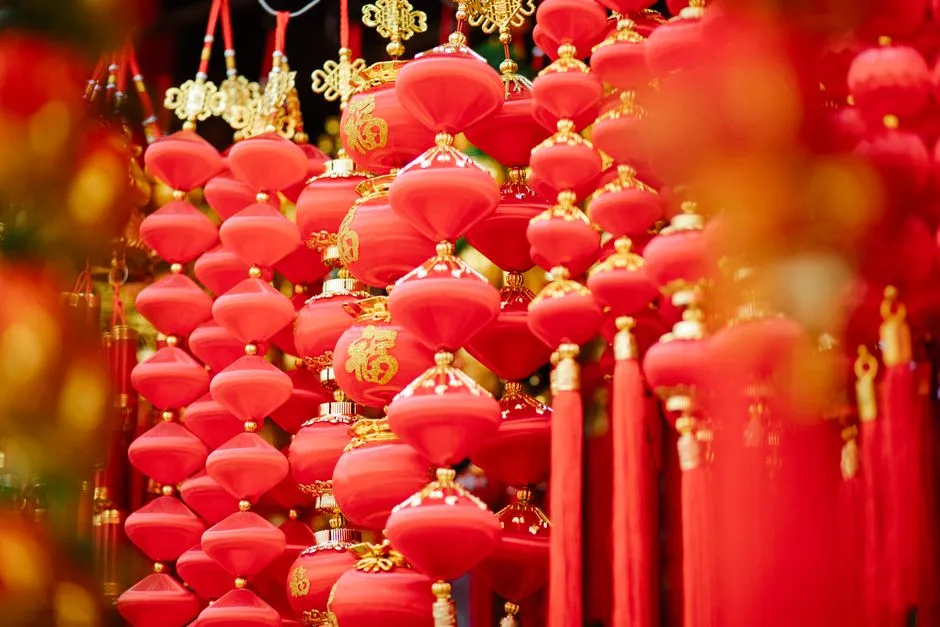
Clusters of small red lanterns with tassels hanging as New Year decorations.
Chinese Culture

Chinese New Year greetings as Cantonese, Hokkien and Mandarin dictionaries record them

恭喜發財 is a four-character New Year wish read differently in Mandarin and Cantonese, and Taiwan's Hokkien dictionary lists its two words but not the phrase. Dictionaries also record phrases tied to a place, such as 新年進步 in Hong Kong Cantonese and the 捞起 shout at a Singapore yusheng toss.

4 Nov 2026 · 6 min read
A hand turning the thin pages of a thick dictionary lying open on a wooden desk.
Chinese Culture

Few Chinese synonyms are exact, and Taiwan's dictionary often files them by sense

Taiwan's Ministry of Education dictionary says perfect synonyms are very rare and that most pairs differ in degree, colour or style. It often lists a word's synonyms under one numbered sense, and when a reviewer checked 23 doubtful pairs against its definitions, 13 of the doubts were overturned or weakened.

4 Nov 2026 · 6 min read
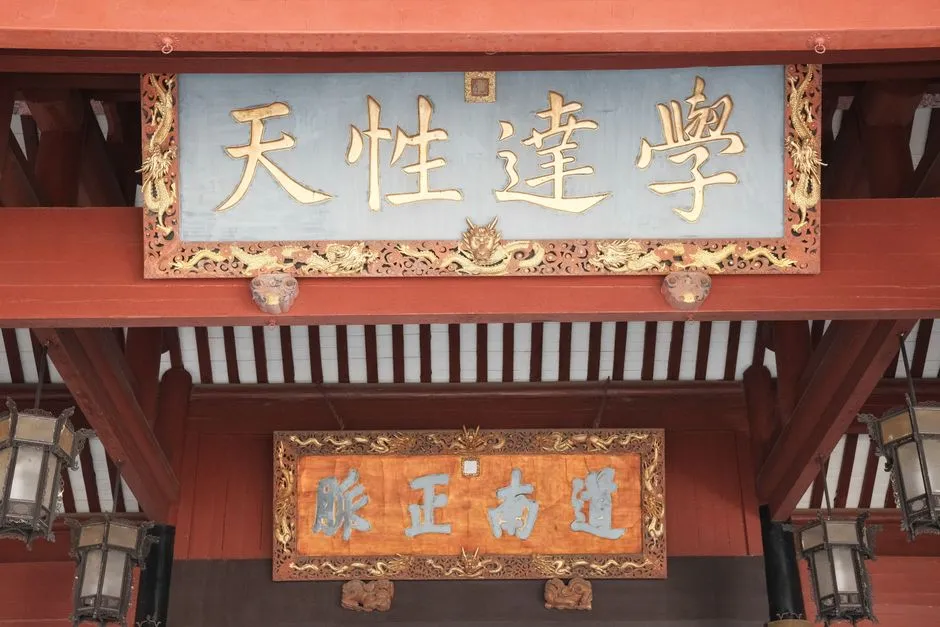
Four gold Chinese characters on a carved signboard above a red temple gateway, with a smaller board and lanterns below.
Chinese Culture

Most HSK words are two characters, and modifier-head compounds lead our hand-sorted sample

Chinese grammar textbooks sort two-character words by how the characters relate, such as one modifying the other or two equals side by side. We sorted 100 words from the HSK 3.0 syllabus by type and checked how a neutral tone marks a suffix.

4 Nov 2026 · 5 min read
A row of glowing red lanterns hanging under tiled eaves in front of a red wall with a lattice window.
Chinese Culture

Chinese calendar stems and branches disagree on the month far more than on the year

Stems and branches are the sixty paired names the Chinese calendar gives to years, months, days and hours, and each level changes at its own moment. Between 1901 and 2100 the two year rules give different pairs on about 2% of days, while solar-term and lunar months disagree on nearly a quarter.

3 Nov 2026 · 6 min read
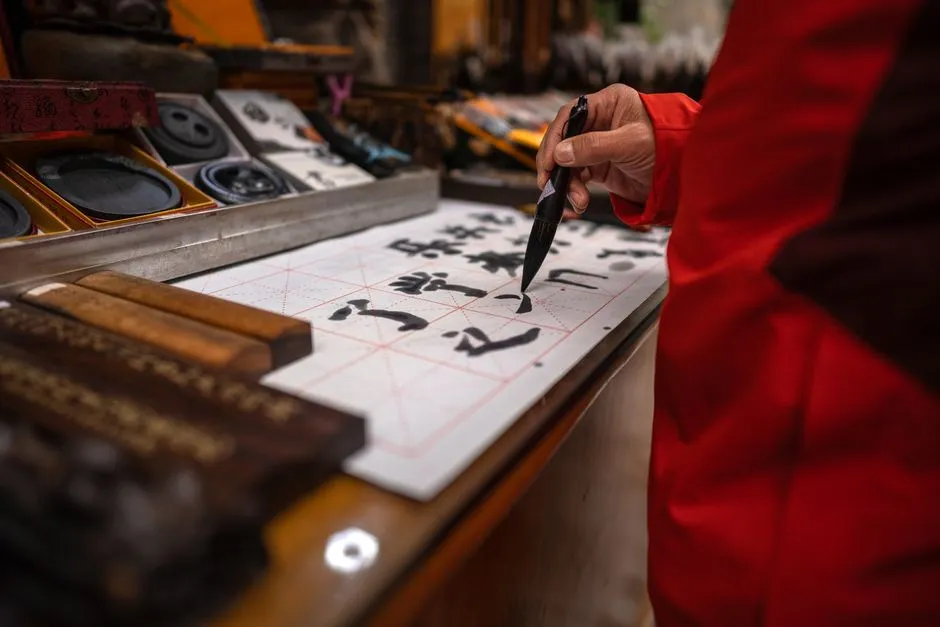
A hand in a red sleeve writing Chinese characters with a brush on a practice sheet, beside a tray of inkstones and brushes.
Chinese Culture

Many Chinese tongue twisters lose their sound contrast when read in Cantonese

A Chinese tongue twister is built from sounds that are easy to confuse, but the confusion belongs to one language. Read in Cantonese, a 35-card Mandarin deck loses most of its sh and s contrast, and the h and f of the 化肥 card largely become one sound.

3 Nov 2026 · 6 min read
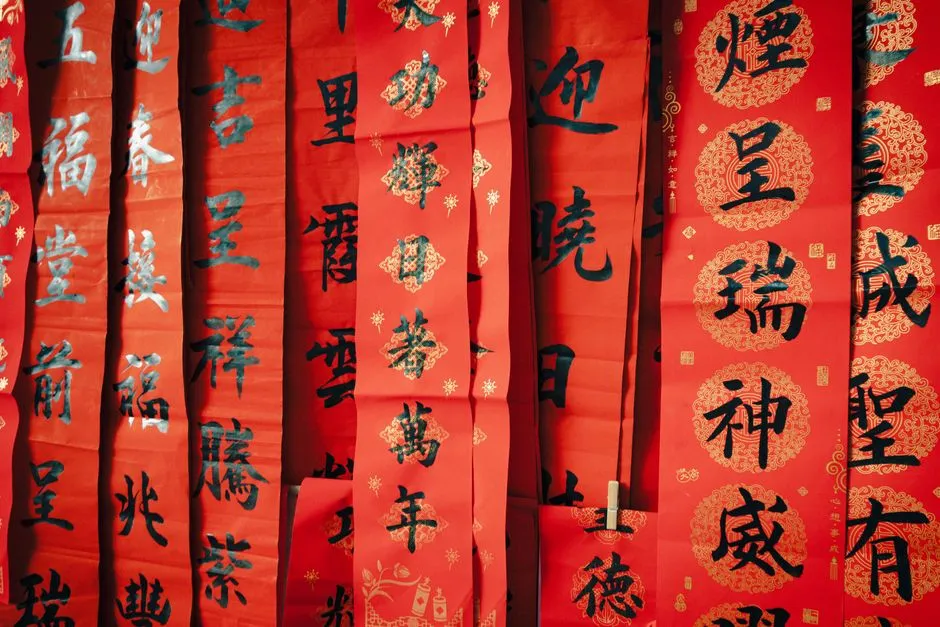
Red paper couplets brushed with Chinese characters, hanging side by side
Chinese Culture

The same Chinese number changes its characters with its job

Chinese numbers change form with their use: a count, a year and a money amount are written differently, and official texts on the mainland, in Taiwan and in Japan each set their own rules. Here is what those texts say about 两, 〇, 廿 and the capital numerals.

2 Nov 2026 · 5 min read
A brass sundial standing on an old printed map
Chinese Culture

How Chinese almanacs decide which hours are yellow and which are black

Chinese almanacs split the day into twelve two-hour blocks and label each one yellow path or black path by the spirit on duty in it. The rule is one line in a Qing imperial manual, and we checked it against an open-source almanac library and two almanac websites.

18 Oct 2026 · 6 min read
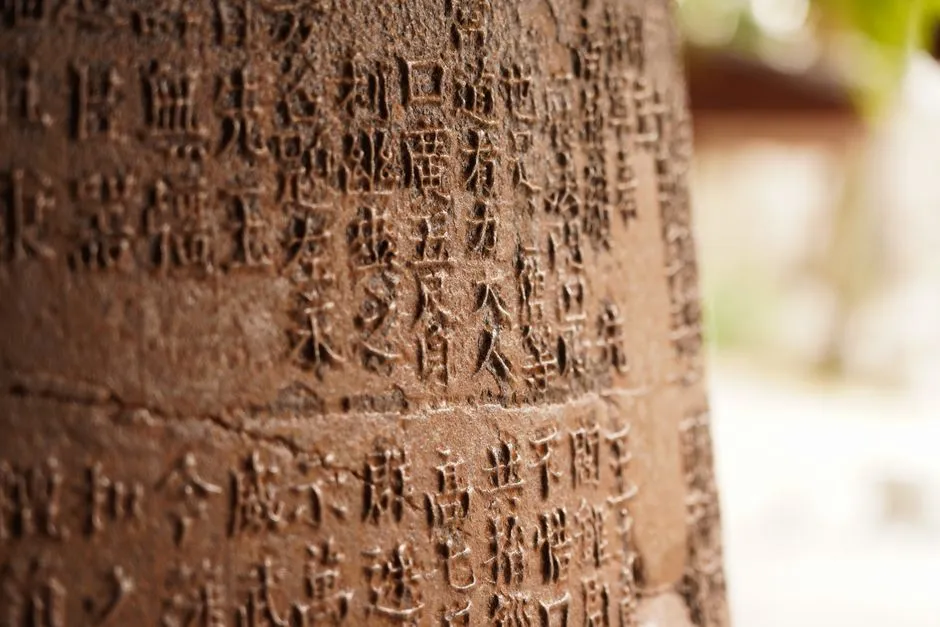
Rows of Chinese characters carved into a weathered stone column
Chinese Culture

Most Chinese characters share their four-corner code with other characters

The four-corner code turns the stroke shapes at a Chinese character's corners into digits, a lookup method Wang Yunwu made public in 1926. In Unicode's table of 16,916 coded characters, only 6.7% have a four-digit code to themselves, and even the fifth digit leaves most sharing.

16 Oct 2026 · 5 min read
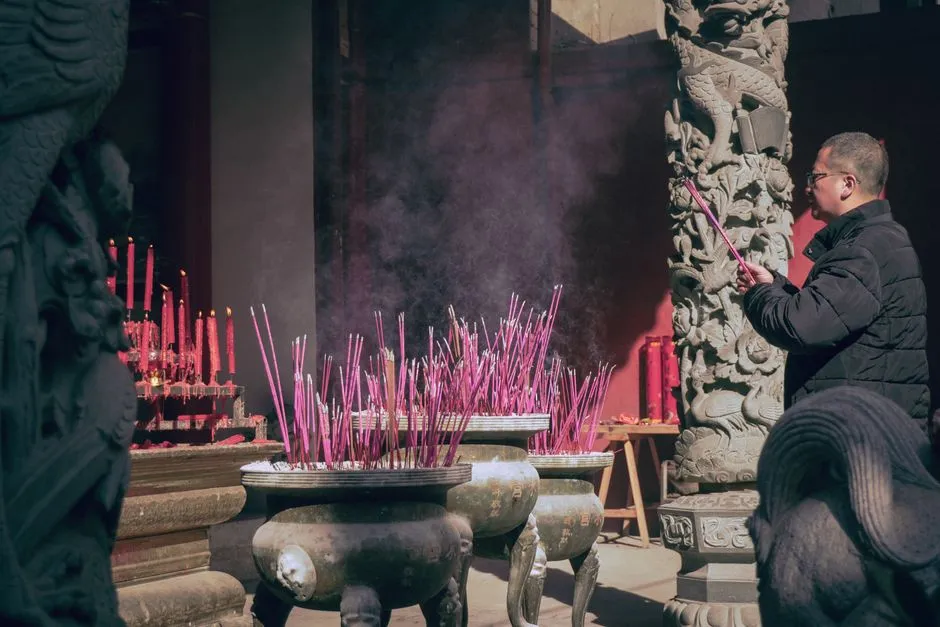
Incense sticks smouldering in bronze burners at a Chinese temple
Chinese Culture

The temple's own grades for Wong Tai Sin's 100 fortune sticks

Sik Sik Yuen publishes all 100 Wong Tai Sin fortune sticks with their verses and grades. How the five grades divide the set, where sticks are drawn, the temple's history from a Wan Chai shrine to a Grade I building, and the medicine sticks that ended in 2005.

3 Oct 2026 · 4 min read
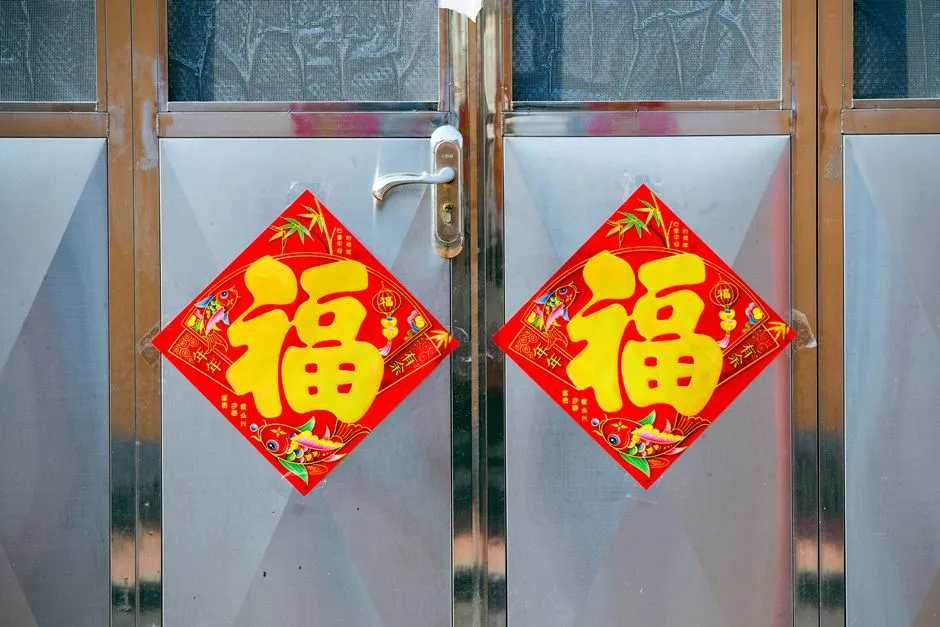
Two red diamond-shaped 福 signs pasted upright on a pair of metal doors
Chinese Culture

How to tell the upper line of a Spring Festival couplet from the lower

How to tell the upper line of a spring couplet (春联, 春聯) from the lower, which side each goes on, why the Mandarin tone shortcut gets 福 wrong, the couplet society's 2024 rules, and the peach-wood charms couplets came from.

1 Oct 2026 · 6 min read
Editorial Policy →
Advertisement