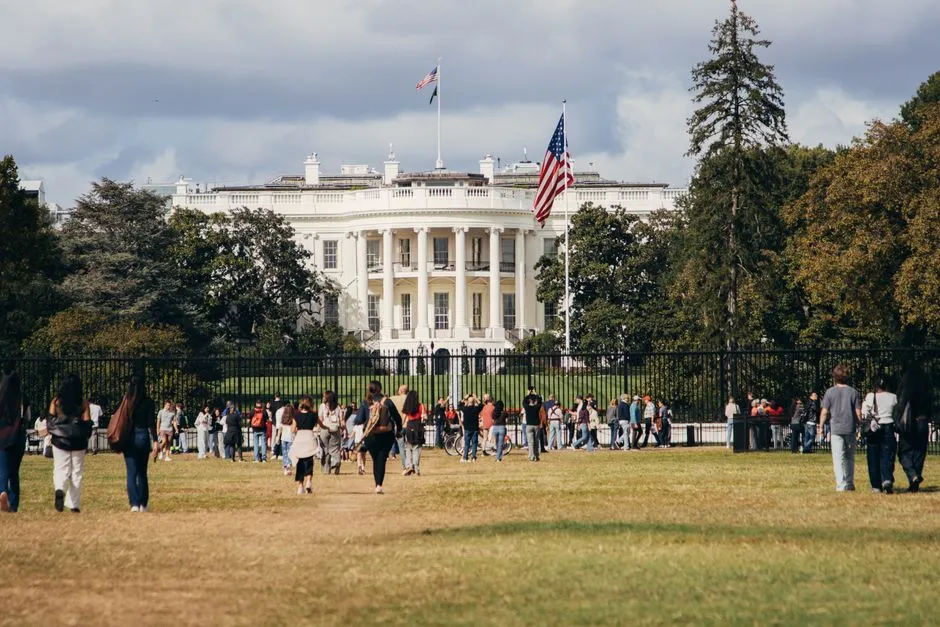
1 OCT 2026 — The heads of six of America's largest AI and chip companies signed a White House accord on AI safety on 29 September. Under the accord, each company is asked to monitor its models, keep an internal oversight team, hire an outside auditor and report to an independent board committee. There are no penalties, no requirement to publish an audit, and the text says companies "should" do these things rather than must.
Asked whether it was binding, President Donald Trump said he thought it was "morally binding", ABC News reports.
Who signed
The signatories were Sundar Pichai of Google, Mark Zuckerberg of Meta, Dario Amodei of Anthropic, Elon Musk, Jensen Huang of Nvidia, and Greg Brockman, OpenAI's president. The document is titled the White House Accord on Super Intelligence, using the term the administration now prefers to "artificial intelligence".
The same day, Trump signed an executive order directing federal agencies to use "Super Intelligence" in place of "AI" and asked Congress to write the term into law, Axios reports. A week earlier, the White House had used the same term in describing its new dialogue with China.
What the four layers are
The full text, published by the Washington Examiner, lists four layers. First, internal controls to monitor models during training and deployment in areas such as cybersecurity, biosecurity and chemical threats, and to ensure models "do not hack or access technical systems in unintended ways". Second, an internal team to make sure those controls work. Third, an independent external auditor or evaluator. Fourth, an independent committee of the board to receive the reports and see that problems are fixed.
Regular meetings, no deadlines
The companies also say they will meet regularly to set standards and best practices.
What it leaves out
The accord does not define "frontier" models, name an auditor, set a timetable, or say what happens if a company falls short. Findings go to each company's own board, not to the public or the government. "Over time, it may make sense to codify these steps into laws or regulations," the text says, without committing to that.
House Speaker Mike Johnson called it "a statement of principles" and "commitments that are voluntary", ABC reports. Trump floated a committee of perhaps ten people to "watch over the whole enterprise", but did not say who would sit on it or what powers it would have.
How the signatories described it
Zuckerberg called it "a start and an accord that the whole industry could come to". Amodei also stressed to reporters that it was only "a start", according to Axios. The Washington Examiner, which published the text, notes that Zuckerberg and Huang have opposed regulation of this kind while the other signatories have supported it.
The accord is voluntary and binds no regulator in Asia or elsewhere. It does not ask companies to publish what their auditors find, so any practical effect depends on what they choose to disclose.
RECATOOLS is written with the assistance of Claude, made by Anthropic, whose chief executive signed the accord. Readers should weigh that interest.
View author profile → · Editorial policy