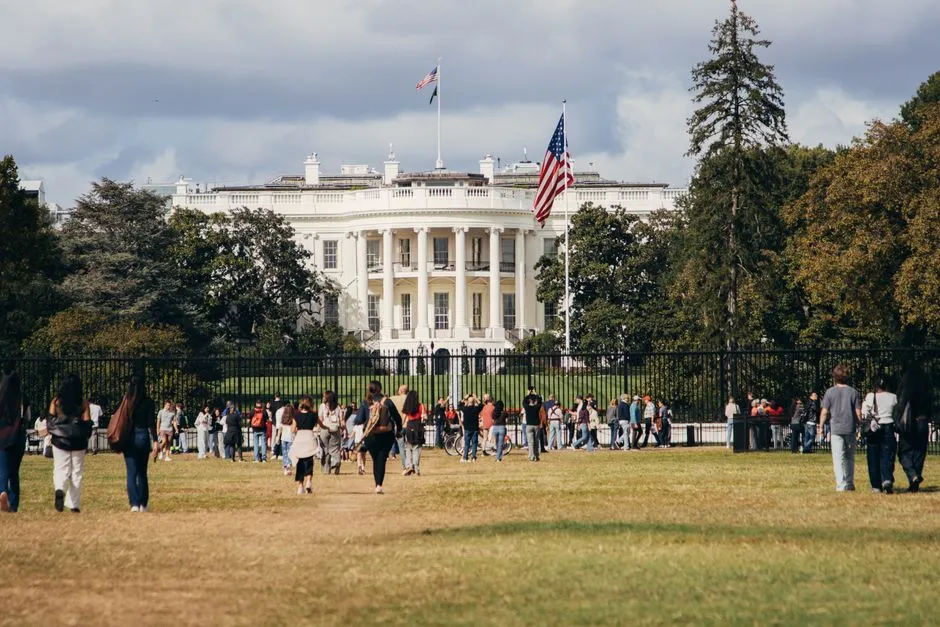
30 SEP 2026 — The United States and China have agreed to hold talks on the risks of advanced AI and to open a line for reporting AI incidents to each other. The White House calls the arrangement the "Super Intelligence Dialogue" and says both presidents agreed to use that term instead of "artificial intelligence". China's account of the same meeting still uses AI. Neither side has published what will count as an incident.
What the White House says was agreed
The agreement came out of Xi Jinping's state visit to Washington from 23 to 25 September. The White House fact sheet, dated 25 September, says the two leaders "agreed to use the term 'super intelligence' rather than 'artificial intelligence' to describe the applicable emerging technologies".
It says they set up a bilateral dialogue "to exchange views on risks and benefits related to SI", with the next exchange due by November, and agreed to "establish a bilateral communication channel for SI incidents".
The same fact sheet also covers trade and other matters, including more favourable tariffs on about US$30 billion of non-sensitive goods each way, Chinese purchases of at least 10 million tonnes of US coal a year in 2027 and 2028, and a commitment to pursue arms-control talks with Russia.
What China's side says
Xi described the two countries as "leading nations in artificial intelligence" with "the capability and responsibility to develop and manage AI for good", Al Jazeera reports. Coverage of China's official readout describes an AI dialogue and an incident channel, in the language of artificial intelligence throughout.
The wording gap matters more as a signal than as a change to the substance. Both sides describe the same substance: talks on risks and a line for incidents. An agreement the two sides describe in different terms is one they may later interpret differently.
What an incident channel does
An incident channel between two governments is a phone line for emergencies: a way to warn the other side, or ask a question, before a misunderstanding escalates. The US and China have similar arrangements for military encounters.
The missing definition
For AI, the hard part is defining what counts. The fact sheet does not say whether an incident is a cyberattack that uses AI, an AI system causing harm, a model behaving unexpectedly, or something else. Until that is written down, the channel has no rule for when to use it.
Neither side is slowing down
The agreement is about talking, not restraint. President Donald Trump said the United States was "not going to be putting on brakes" and was leading China by "at least a year, maybe a year and a half", the Associated Press reported.
The leaders are due to meet again at the Asia-Pacific Economic Cooperation summit in Shenzhen in November, inside the deadline for the dialogue's next exchange. That meeting is the first chance to see whether the channel has rules and what either side calls the technology.

View author profile → · Editorial policy