KEELUNG, 26 AUG 2026 — Taiwanese prosecutors indicted nine people on Monday over the illegal export of 74 high-end AI servers to China, among them one employee of Nvidia's Taiwan unit and two from Super Micro's. The machines carried B300 GPUs, which may not lawfully be sold into China.
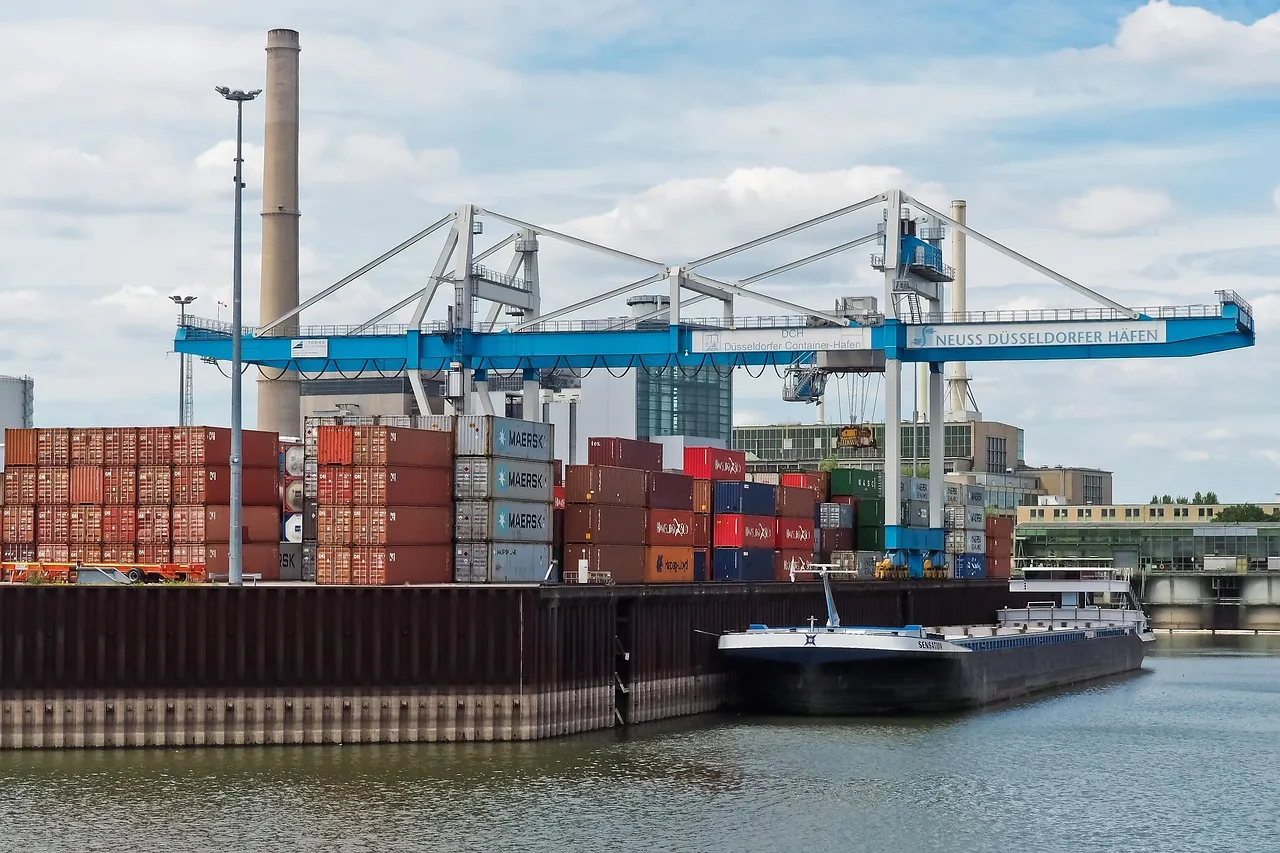
For readers in this region, the routing is the story. Of the 74 servers, 50 went through Indonesia, eight through Japan and the rest directly to China.
What the indictment sets out
The Keelung prosecutors' office charged eight of the nine with breach of trust and document forgery. Three face embezzlement charges. An Nvidia manager, identified in reporting only by the family name Chang, is described as the central figure, the person who authorised release of the restricted GPUs.
A further 56 servers were stopped at the Taiwanese border and seized before they left.
That seizure figure changes how the case reads. The 74 that shipped are only part of it. Across the indictment 130 units are accounted for, and 56 were stopped by border controls doing exactly what border controls exist for. The enforcement failure and the enforcement success sit in the same case.
Two thirds of it moved through Indonesia
Fifty units out of seventy-four is not an incidental routing choice. It makes Indonesia the primary corridor in this scheme, and the ratio invites a question Jakarta will be asked rather than one it can leave alone.
The mechanics of transshipment do not require anyone in the intermediate country to be complicit. Goods arrive, clear as one thing, and depart as another; free-trade and bonded zones exist precisely to let cargo move without full domestic customs treatment, and that convenience is the attraction. Nothing in the reporting alleges Indonesian involvement, and nothing here should be read as doing so.
The ratio establishes that the route worked. A diverter picks the path of least friction, and sending fifty units through one corridor is a verdict on where that friction was lowest.
This matters regionally for a reason that has nothing to do with blame. Indonesia is actively courting AI infrastructure investment, including a gigawatt-scale AI factory with Indosat, and that ambition depends on being a trusted destination for exactly the hardware this case moved. A reputation as a diversion corridor and an ambition to host frontier compute are two different pitches to make to the same hardware suppliers.
The charges are about dishonesty, not export control
Breach of trust, document forgery and embezzlement are offences against an employer. They describe people who falsified paperwork and abused a position of authority inside the companies that trusted them.
They are not, on their face, strategic trade offences. Reporting does not indicate whether Taiwan also charged violations of its export-control regime, so this should not be read as a claim that no such law was invoked. The case as announced frames the conduct as a fraud on Nvidia and Super Micro rather than as a breach of the control regime itself.
That framing has a practical consequence. It puts the companies in the position of victims rather than subjects, which is precisely how both have described themselves. It also means the deterrent on offer runs through employment and fraud law — a five-year maximum for lying to your employer — rather than through the penalties a state normally attaches to defeating its own export controls.
What the companies said, and what they did not
Nvidia said its employees have incentives to ensure legal compliance and that it is cooperating with the authorities to resolve the allegations quickly.
Super Micro's statement was more precise. It said the two individuals are former employees, that it continues to cooperate, that it is not a target of the investigation and that it has not been accused of any wrongdoing.
Every one of those statements can be true while leaving the important question open. Neither company has said how a manager came to be in a position to authorise the release of restricted GPUs without a second approval catching it, or whether that control has since changed. An indictment naming your own staff as the mechanism is not, by itself, evidence of corporate fault. It is evidence that an internal control did not hold.
The sentences sought are reported inconsistently
Accounts differ on how many defendants face the maximum. One account has prosecutors seeking up to five years for four of the nine. Another has seven facing that maximum as profit-motivated, with leniency recommended for two who confessed and cooperated.
The figures are not reconcilable from public reporting and the discrepancy is small enough to be a summarisation artefact rather than a substantive disagreement. What is consistent across accounts is the five-year ceiling and the distinction drawn between those who cooperated and those who did not.
The legal channel is open at the same time
The timing sits oddly against the rest of the picture. While these 74 machines were being moved through third countries, the lawful route into China was widening: Beijing has been permitting limited H200 shipments to its major technology groups.
The two facts do not conflict; they explain each other. H200 is a previous-generation part that both governments have decided they can live with moving. B300 is not, and the gap between what is permitted and what is wanted is the entire commercial logic of a diversion scheme. Loosening the legal channel one tier down does not reduce demand at the tier above it.
What it means from here
For companies in the region handling controlled hardware, the operational reading is about internal authority rather than geopolitics. The mechanism in this case was a manager with release authority and forged documentation, not a sophisticated evasion of customs. Any distributor, integrator or logistics provider touching restricted parts should ask whether a single employee can authorise a release, and what independent record would show it afterwards.
For the wider regional debate, the useful figure remains 50 of 74. Transshipment risk is not an abstraction that attaches to unnamed jurisdictions; it attaches to specific corridors that have been tested and found workable. Governments across ASEAN competing for AI infrastructure investment are also competing to be seen as places where this does not happen, and that reputation is built in customs enforcement rather than in investment announcements.