At first glance, Southeast Asian tech funding more than doubled in the first half of 2026, to $7.4 billion from $3.2 billion a year earlier.
One company accounts for $4.5 billion of that. Remove DayOne, a Singapore data-centre operator, and the rest of Southeast Asia raised about $2.9 billion — less than it raised in the first half of 2025.
The doubling, with and without one company
| Measure | H1 2025 | H1 2026 | Change |
|---|---|---|---|
| Total raised, as reported | $3.2bn | $7.4bn | +131% |
| Excluding DayOne | $3.2bn | $2.9bn | −9.4% |
| Funding rounds | 153 | 127 | −17.0% |
| Average round size | $20.9m | $58.3m | 2.79× |
| Average round size excluding DayOne | $20.9m | $23.2m | +11% |
Totals and round counts as compiled by Tracxn and reported by TNGlobal. The ex-DayOne figures, both average round sizes and every percentage in this table are RECATOOLS arithmetic. DayOne closed its Series C in two tranches — $2bn announced in January, expanded to $4.5bn by June — so it is treated here as two rounds.
An investor asking whether it has become easier to raise money in the region gets two different answers from this data. The $7.4 billion figure is correct. But for companies that are not building data centres, the answer looks like no.
Where the money went
The sector split explains the shape. Enterprise infrastructure took $5.2 billion, growing 260 per cent against the second half of 2025. Enterprise applications took $2 billion. Fintech — for years the region's headline sector — took $685 million and fell 3 per cent.
| Sector | H1 2026 | Share of the half | Direction |
|---|---|---|---|
| Enterprise infrastructure | $5.2bn | 70.3% | Up 260% on H2 2025 |
| Enterprise applications | $2.0bn | 27.0% | Up 126% |
| Fintech | $685m | 9.3% | Down 3% |
Sector figures as reported from the Tracxn data. Shares of the half are RECATOOLS arithmetic and do not sum to 100% because the categories overlap and do not cover every deal. Fintech's share is the number to watch: the sector that defined Southeast Asian venture capital for a decade is now under a tenth of it.
Outside DayOne, the largest raises were Supabase at $500 million, Airwallex at $320 million and PixVerse at $300 million. Only the second of those is a consumer-facing financial business, and it is a cross-border payments platform rather than an app.
The geography is more extreme than the sector split
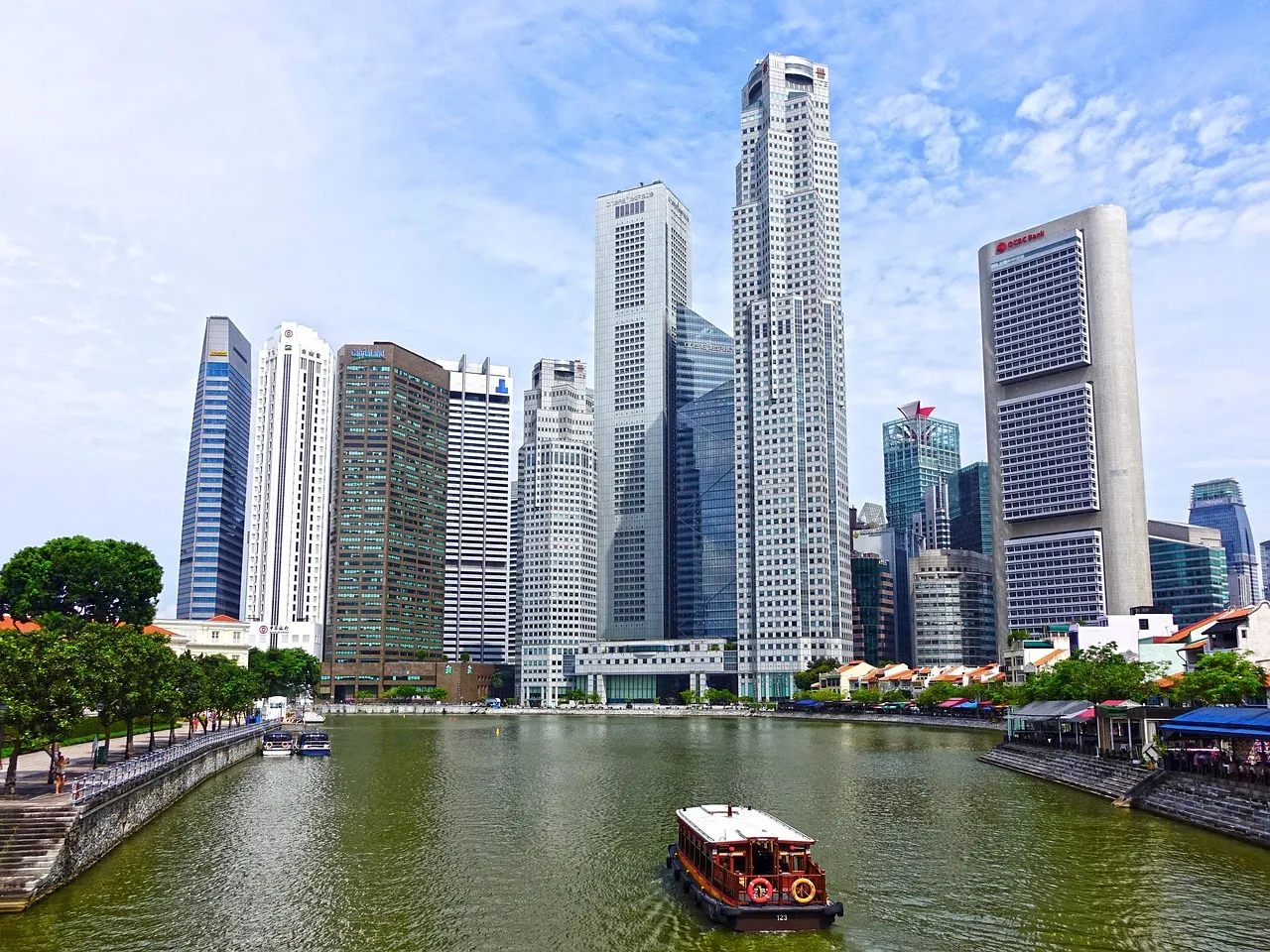
Singapore-based companies raised $6.9 billion of the $7.4 billion. That leaves roughly half a billion dollars for the rest of Southeast Asia combined.
| Market | H1 2026 raised | Share of region |
|---|---|---|
| Singapore | $6.9bn | 94% |
| Bangkok | $116m | 2% |
| Kuala Lumpur | $104m | 1% |
| Everywhere else combined | ~$280m | ~4% |
City and country figures as reported. The residual row is RECATOOLS arithmetic — the regional total less Singapore, Bangkok and Kuala Lumpur — and shares are rounded as published, so they do not sum exactly. Indonesia, Vietnam and the Philippines are not itemised in the summary figures we could verify.
Jakarta, Ho Chi Minh City and Manila do not appear in the headline breakdown at all. For a region of this size, having 97 per cent of disclosed tech funding go to just three cities is an extreme concentration.
What DayOne is, and whether it belongs in this table
DayOne builds and operates data centres. Its Series C was led by existing investors Coatue and Hillhouse, with new participation including the Indonesia Investment Authority.
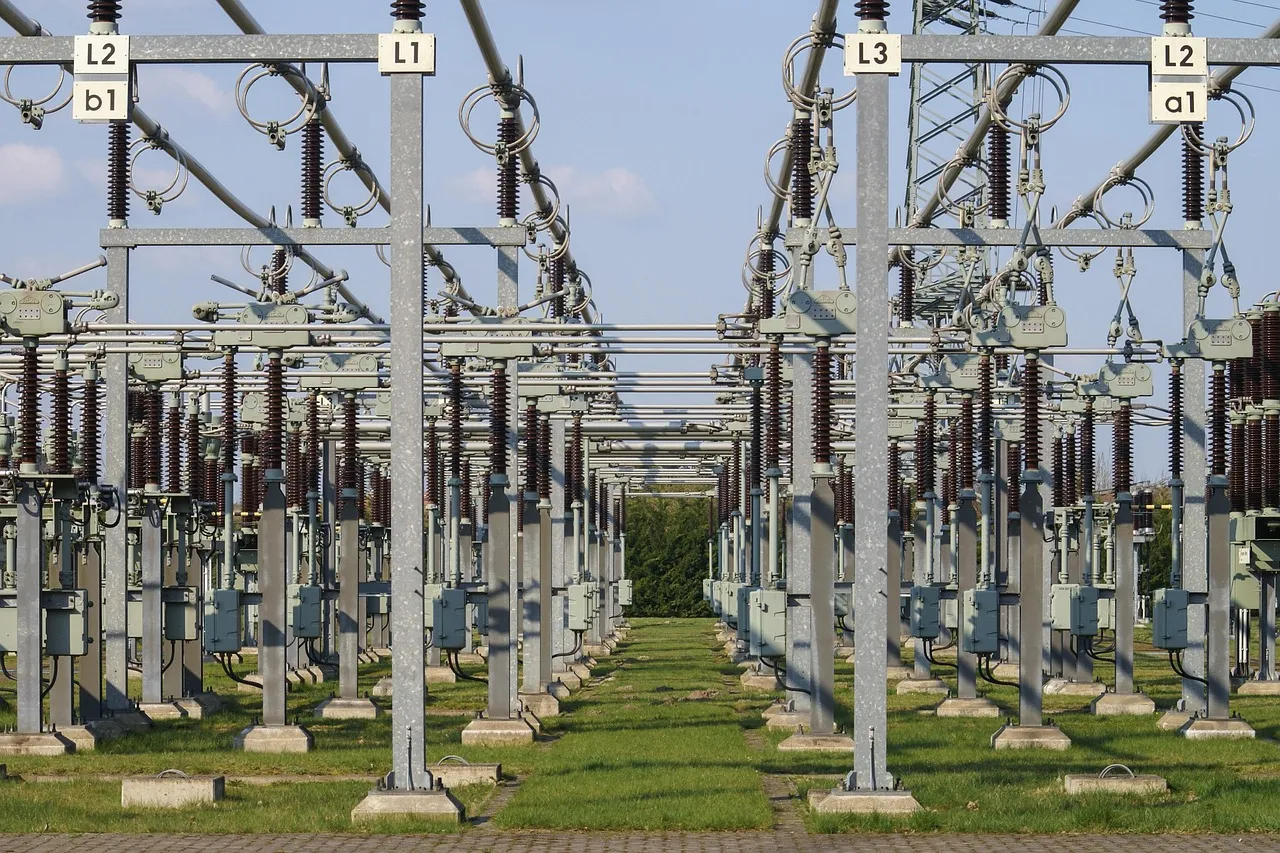
This raises a categorisation question. A data-centre operator raising billions for construction is doing infrastructure finance, not venture capital. Its capital needs have nothing in common with a software company's. Counting it inside a regional startup-funding total is defensible — it is a private company raising equity — but it makes the total a poor proxy for the health of the startup ecosystem, which is what such totals are normally used to indicate.
The concentration is by stage as well
Splitting the half by stage rather than by sector produces the same shape a third time.
| Stage | H1 2026 | Share of the half | Direction |
|---|---|---|---|
| Late stage | $6.0bn | 81.1% | Up 200% |
| Early stage | $1.0bn | 13.5% | — |
| Seed | $328m | 4.4% | Up 68% |
Stage figures as reported from the Tracxn data; shares of the $7.4bn half-year total are RECATOOLS arithmetic. Four fifths of the capital went to companies already at late stage, which is where a single infrastructure raise of this size necessarily lands.
Regional money, Singapore destination
The investor list on that DayOne round included the Indonesia Investment Authority — Indonesia's sovereign wealth fund backing a Singapore-headquartered operator.
That is a reasonable investment and also a small illustration of what the geography table hides. Capital originating around the region has a way of being deployed through Singapore, which is part of why the city's 94 per cent share overstates how much of this activity is exclusively Singaporean and understates how much of the region is involved at one remove.
Fewer rounds, fewer exits
Beneath the headline number, the market narrowed. The number of rounds fell to 127 from 153. Mega-rounds above $100 million rose to 12 from four in the second half of 2025, so the capital that did move went to fewer companies in larger amounts.
Exits also softened, with 19 acquisitions against 25 in the second half of 2025, and six listings against nine. Seed funding is the one clear counterpoint, up 68 per cent to $328 million — small in absolute terms, but the earliest stage is where a recovery would show first.
The same capital story, seen from the other end
This is the regional face of something we reported earlier this week. Alphabet, Amazon, Microsoft and Meta nearly doubled their combined capital spending in a single quarter, and the buildings that house that compute have to be built somewhere by someone.
Southeast Asian technology funding has not doubled; it has changed character. The story is now about data centres and their financing, not the consumer platforms and payment companies of the last decade.
The caveats
- This is half-year data published in early July, covering January to June 2026. It is analysis of a completed period, not a report of something that happened this week.
- The compiler matters. Figures come from Tracxn; different trackers apply different rules on what counts as a technology company, a round or a region, and their totals routinely disagree.
- Disclosed funding is not all funding. Undisclosed rounds, debt and internal financing sit outside these counts.
- Our ex-DayOne figures are arithmetic, not a published series. They subtract one company from a reported total and should be read as an illustration of concentration rather than as an alternative dataset.
- Acquisition and listing comparisons are against the second half of 2025, not the first, because that is the base the reporting gives.
- This is market reporting, not investment advice.
Key takeaways
- $7.4 billion raised in H1 2026 against $3.2 billion a year earlier — but $4.5 billion of it went to one company.
- Excluding DayOne, the region raised $2.9 billion, about 9 per cent less than the first half of 2025.
- Singapore took 94 per cent; Bangkok and Kuala Lumpur together took about 3 per cent.
- Fintech fell to $685 million, under a tenth of regional funding.
- Rounds fell to 127 from 153, with fewer acquisitions and fewer listings.