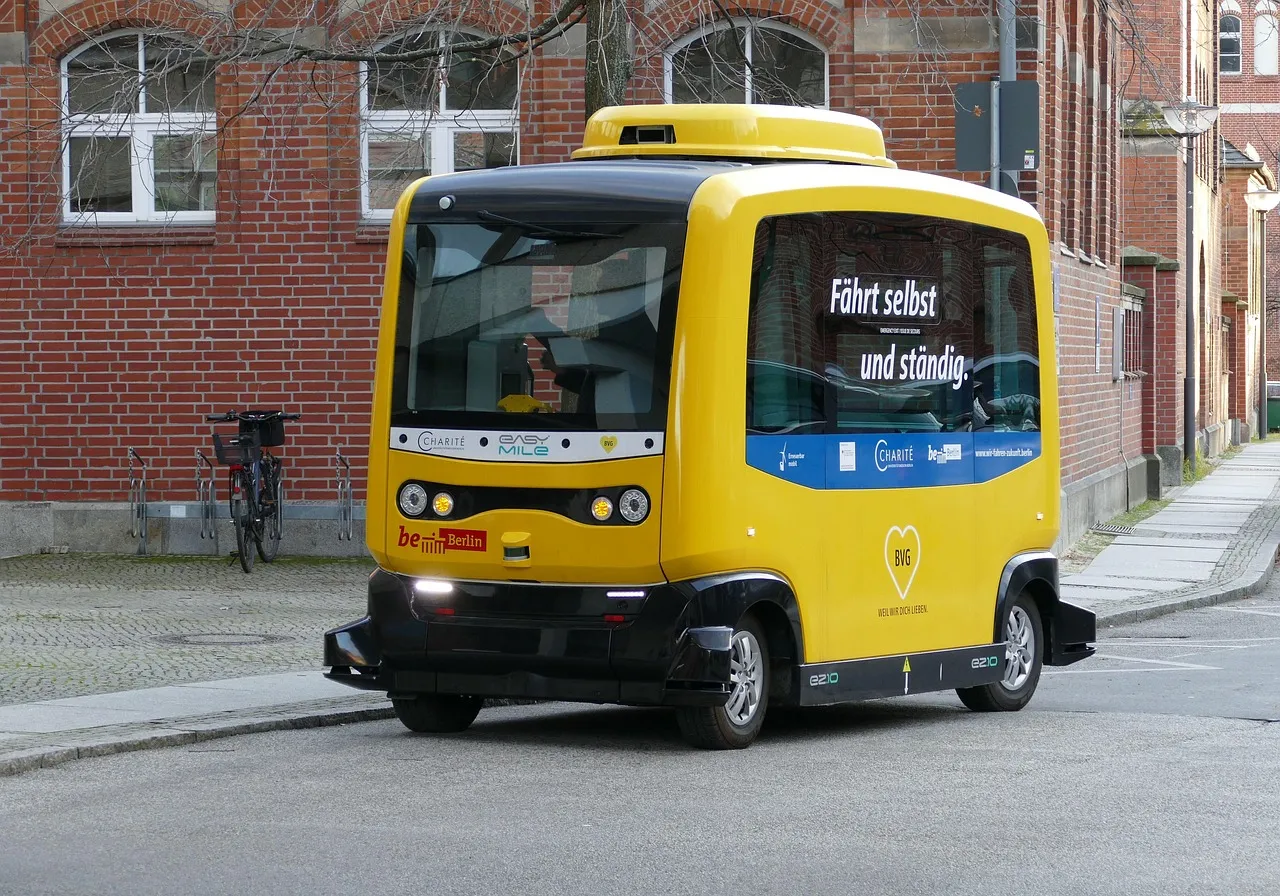
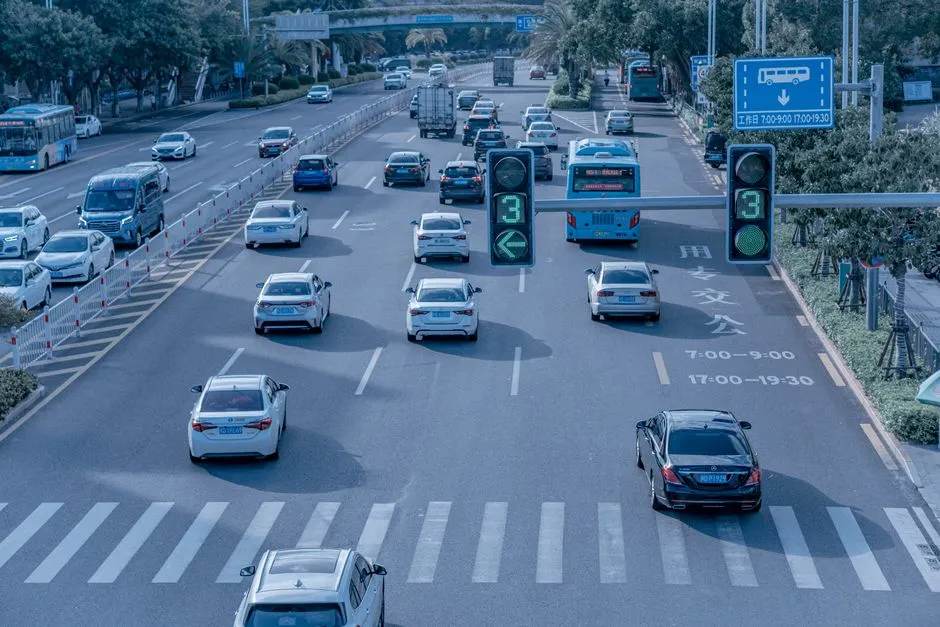
GUANGZHOU, 15 AUG 2026 — Pony.ai and Uber said on Friday they will put more than 2,000 robotaxis across five European cities. Four of the five have not been named, and no date was given for any of them.
The fifth city is Zagreb, where the service already operates. The announcement, then, is one functioning service plus an ambition; the 2,000-vehicle figure is the part that travelled.
What was actually committed
| Element | Status |
|---|---|
| Zagreb service | Live since earlier in 2026 |
| Four further European cities | Unnamed — to be revealed in phases |
| More than 2,000 vehicles | No timetable |
| Middle East deployment | Extension of a May 2025 partnership |
This is not a criticism of the companies, who were clear. It is a caution about how stories travel. A headline number without a timeframe is a rate of nothing. Two thousand vehicles over eighteen months would be among the fastest autonomous deployments anywhere. Two thousand over six years would be unremarkable. The announcement is consistent with both.
The structure is the interesting part
Three companies, three jobs, and the division tells you what is actually hard.
Pony.ai, based in Guangzhou, supplies the Level 4 autonomous driving system. Uber supplies demand, integrating the service into the app people already have. Verne, a Croatian mobility company, owns and operates the fleet locally — maintenance, cleaning, charging — and leads the regulatory approval process in each launch city.
The regulatory work sits with Verne, the local operator — not with the Chinese technology provider or the American platform. Verne is in the market, under that market's laws.
That is a deliberate arrangement and it is becoming a pattern. A Chinese autonomous driving company entering Europe faces the same question every Chinese technology company now faces at a border, which is whether its origin is a problem. Putting a domestic entity in front, holding the licences and carrying the operational liability, is one answer to it.
Three routes through the same door
We have now written about three different structures for the same problem inside a week, and they are worth reading together.
The first failed, because a change of address did not change where the engineering came from. The second worked and was extraordinarily expensive, which is why only Apple has done it.
The third is the cheap version, and its weakness is visible from the start: the foreign company keeps the technology and the economics but does not control the entity that regulators actually deal with. That is fine while the arrangement holds. It is a different conversation if a city withdraws an approval, or if the local operator is acquired.
What Level 4 promises, and what it does not
The system is described as Level 4. The number is routinely misinterpreted as a capability score, but it is not one.
Level 4 means the vehicle can drive itself without human intervention within a defined operational domain — a specific area, in specific conditions, at specific times. Inside that envelope no driver is required. Outside it, the system does not degrade gracefully into a lesser mode; it simply does not operate. The engineering effort goes into both the driving and the careful drawing of that envelope — tight enough to be safe, wide enough to be useful.
This is why city-by-city expansion is so much slower than typical software rollouts. Each new city is a new domain to map, validate and get approved, and very little of the validation transfers. A system that handles Zagreb well has demonstrated Zagreb.
Why Zagreb
Croatia is not where you would expect Europe's first commercial robotaxi service, and that is the point.
The large European markets have the passengers and also the slowest approvals, the strongest incumbent taxi politics and the most attentive regulators. A smaller market offers a national government able to move quickly, a city small enough to map thoroughly, and a first-mover story worth something politically.
An approval in Zagreb, however, proves less than it appears. It does not establish a route through the four unnamed cities, because European autonomous vehicle authorisation is not mutually recognised. Each city is its own negotiation, which is exactly why the announcement names one and no more.
What this says about the region
For ASEAN, the obvious reading is that this model is not arriving here yet. The reasons are technical, not regulatory.
Singapore has run autonomous vehicle trials for a decade and has one of the best regulatory environments in the world for them. What it does not have is scale: the whole country is smaller than several of the metropolitan areas where robotaxis operate commercially, so a deployment there is a demonstration rather than a business. Jakarta, Manila and Bangkok have the scale, but their traffic conditions and informal road behaviour are harder problems than anything in Zagreb or San Francisco.
So the region gets this technology late, and the sequencing is not about regulation. It is that our easiest markets are too small to matter commercially and our largest are too difficult technically. Policy changes will not close that gap. The systems themselves have to get better at chaos.
What does travel now is the corporate structure. A Chinese technology provider, a global platform and a local licensed operator is a template any ASEAN market could host tomorrow, and it is the arrangement to expect when this arrives.
What we could not establish
Which four cities, on what timetable, and how the 2,000 vehicles are distributed across them. None was disclosed and the companies said details will come in phases.
It also remains unestablished how many vehicles operate in Zagreb today, whether they run without a safety driver, the commercial terms between the three parties, which Middle East markets are in scope, and whether the vehicles are made in China. The last point would raise tariff and procurement questions the announcement did not touch. One outlet framed this release as evidence that robotaxi operations have been proven profitable; we could not find support for that claim in the primary reporting and have not repeated it.
What to watch
The first named city. That is the moment the announcement acquires a denominator, and its size will tell you whether this is a Zagreb strategy repeated or an attempt at a major market.
Whether Verne, or an equivalent local operator, is used in every city. If the local-entity structure holds across five markets it is a template. If Pony.ai eventually seeks approval in its own name, the calculation about origin has changed.
And will any European regulator ask where the driving data goes? That question, which has complicated every other Chinese technology deployment in Europe, has not been raised publicly in this deal.